US Universities See 9% Drop in International Students
International enrollment at US colleges and universities fell 9% this fall, while the number of first-time international students dropped 15%, a survey found. Colleges cited visa applications and travel restrictions. The decline also cut international students’ contributions to the US economy by $2.4 billion.
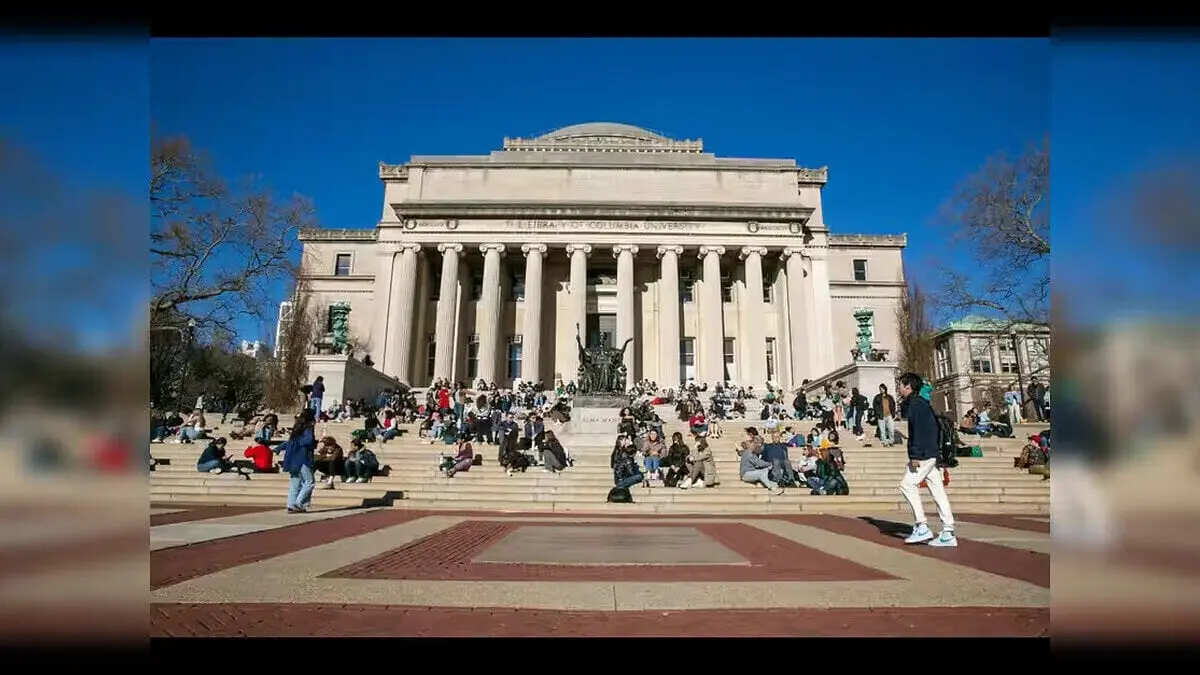
International student enrollments at US universities fell 9% this fall compared with last year, according to a survey released Monday by the Institute of International Education. The decline came as the Trump administration tightened immigration rules and changed higher education policies.
The number of international students entering the United States for the first time dropped 15%. The figures point to a shift with financial consequences: international students’ contributions to the US economy fell by $2.4 billion this fall, according to research by Nafsa and JB International.
More than 800 US colleges and universities took part in the survey. Of those, 88% cited the visa application process and 70% cited travel restrictions as factors in falling enrollment.
Schools also warned that limits on post-graduation work could push students toward other countries. In the survey, 95% of colleges said international students would probably look elsewhere if optional practical training, or OPT, options were limited.
The Department of Homeland Security has proposed a $70,000 fee for each student who takes part in OPT, a temporary work program. The proposal has not been finalized. Participation in the program fell 6% this fall.
The administration has also terminated the legal status of thousands of international students, while others have faced detention and deportation. A rule finalized this summer would limit international students to four years in the United States without federal approval, but a judge has temporarily blocked it.
Department of Homeland Security Secretary Markwayne Mullin has said the changes target loopholes that students used to extend their studies. College leaders also cited global competition and the rising cost of a US degree as reasons students were considering other destinations.
Fanta Aw, executive director and CEO of Nafsa, said students were concerned about research funding and uncertainty. “Too much uncertainty in the United States. It’s too difficult, and you know, more importantly, we have many more choices today than we did 10 years ago. Why subject ourselves to this?” Aw said, noting that some students are going to China.
The decline has hit some university budgets. At Cleveland State University, international enrollment fell 46% in two years, from 1,542 in fall 2025 to 828 this fall. Fewer than 50 new international students started this fall, Provost Nigamanth Sridhar said, estimating the budget impact at $2 million to $4 million.
International graduate enrollment fell 15%, compared with a 3% decline among undergraduates. The survey also found fewer students from India, the largest source country for international students studying in the United States.
Sarah Spreitzer, vice president at the American Council on Education, said congressional oversight could slow new policies aimed at international students after Republicans suffered big losses in the November 3 midterm elections. “Those types of things could provide more certainty for our international students that there’s not just going to be these sudden or unexplainable changes,” she said.
 Take the quizWhat Kind of Holiday Spender Are You? Take the Black Friday QuizStart →





 Lifestyle7 Signs Your Social Battery Is Running Low (and Why You Keep Cancelling Plans)
 Lifestyle · Food & HealthThanksgiving Food Safety: How Long Leftovers Last and the Safe Turkey Temperature
 Lifestyle7 Quiet Habits of Emotionally Intelligent People, According to Psychologists
 LifestylePeople Who Don’t Like Celebrating Their Birthday Often Share These 7 Traits