DHS Proposal Would End Deference for Work Visa Extensions
The Department of Homeland Security has proposed ending a rule that tells USCIS to give weight to its earlier approvals when reviewing certain visa extensions. The agency estimates the change could affect 208,429 petitions a year and lead to 6,044 additional requests for evidence, while leaving existing approvals intact.
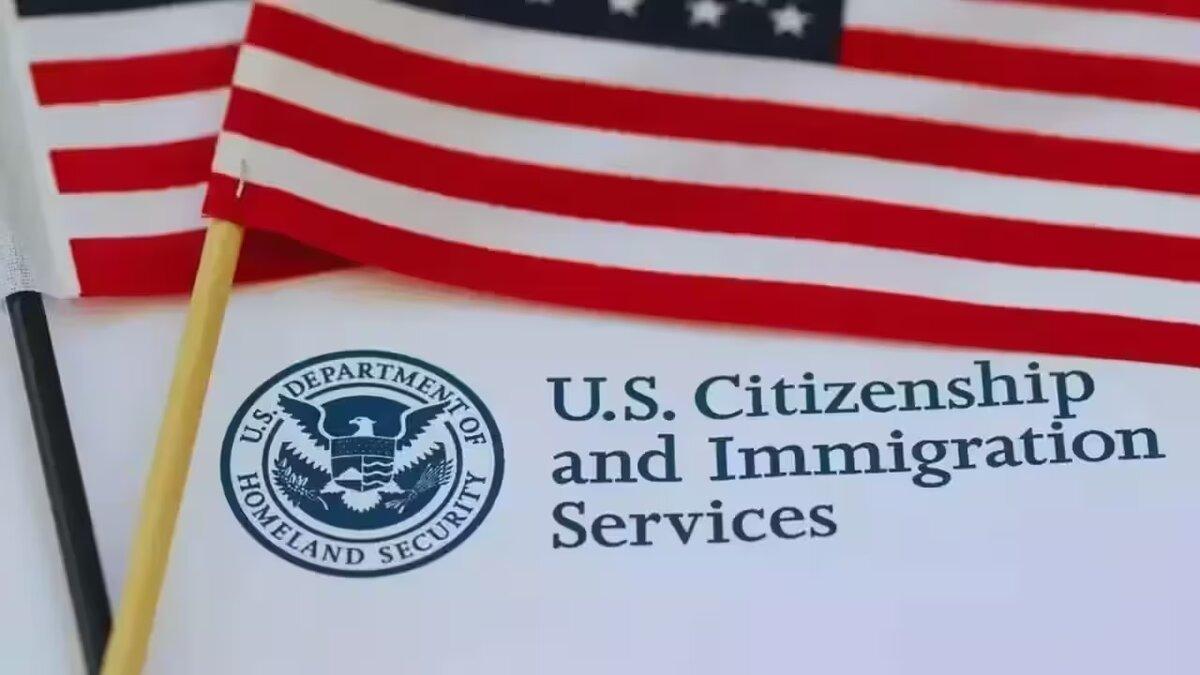
The U.S. Department of Homeland Security has proposed ending USCIS prior approval deference for work visa extensions, a change that could affect 208,429 petitions filed each year. The proposal would let officers review applications anew, even when the same worker and employer previously received approval for the same job.
Existing approvals would not be automatically canceled. The proposal could, however, make future extensions more difficult to secure.
The proposal, titled “Removing Deference to Prior USCIS Determinations of Eligibility,” was published on October 14, 2026. Public comments were due on November 13, 2026.
Under the current rule, U.S. Citizenship and Immigration Services generally gives weight to an earlier approval when an employer files an extension for the same worker, job and underlying circumstances. Officers usually rely on that decision unless they find a major error, changed circumstances or new information affecting eligibility.
The department wants to delete Section 8 CFR 214.1(c)(5), which sets out that requirement. Officers could still consider a previous approval, but would no longer have to give it special weight.
The proposed change covers H-1B, L-1, O-1, TN, E and other work visa categories. The Department of Homeland Security estimates that about 208,429 petitions a year could lose the benefit of deference. H-1B petitions make up more than 75% of Form I-129 filings, according to information cited by immigration law firm Reddy Neumann Brown PC.
Indian-born workers accounted for 77.6% of H-1B approvals for continuing employment in fiscal year 2025, based on U.S. Citizenship and Immigration Services data cited by the firm.
The department estimates the change could generate about 6,044 additional requests for evidence each year. An RFE asks an employer or applicant for more information before the agency decides a case.
Officers could revisit questions considered in earlier applications, including whether a job qualifies as a specialty occupation or whether a worker meets the position’s requirements. The law firm said the department’s analysis found no statistically significant difference in denial rates between periods when officers applied deference and when they did not; the measurable effect was an increase in requests for evidence.
More requests could lengthen extension processing and create uncertainty for workers whose employment depends on approval before their current status expires. Workers who file an extension on time can generally continue with the same employer for up to 240 days after their I-94 period expires while the application is pending.
Delays could also affect international travel. Some workers wait for an extension approval before traveling abroad to obtain a new visa stamp, and longer waits could postpone trips, including those for family emergencies.
Small employers could face added demands. Department data cited by the law firm shows that 57% of employers classified as small entities that filed H-1B extensions in fiscal year 2025 were small businesses; the median small employer filed one petition.
 Take the quizWhat Kind of Holiday Spender Are You? Take the Black Friday QuizStart →





 Lifestyle7 Signs Your Social Battery Is Running Low (and Why You Keep Cancelling Plans)
 Lifestyle · Food & HealthThanksgiving Food Safety: How Long Leftovers Last and the Safe Turkey Temperature
 Lifestyle7 Quiet Habits of Emotionally Intelligent People, According to Psychologists
 LifestylePeople Who Don’t Like Celebrating Their Birthday Often Share These 7 Traits