Ancient Seafloor Canyons Helped Preserve Ediacaran Fossils
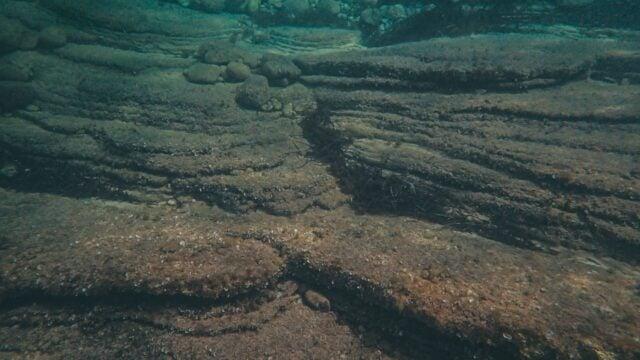
Researchers studying rocks in South Australia say ancient underwater canyons and a rapid rise in sea level helped preserve some of Earth’s earliest complex animals. The valleys, carved into the seafloor and later filled with sediment, protected delicate fossil impressions from storm waves.
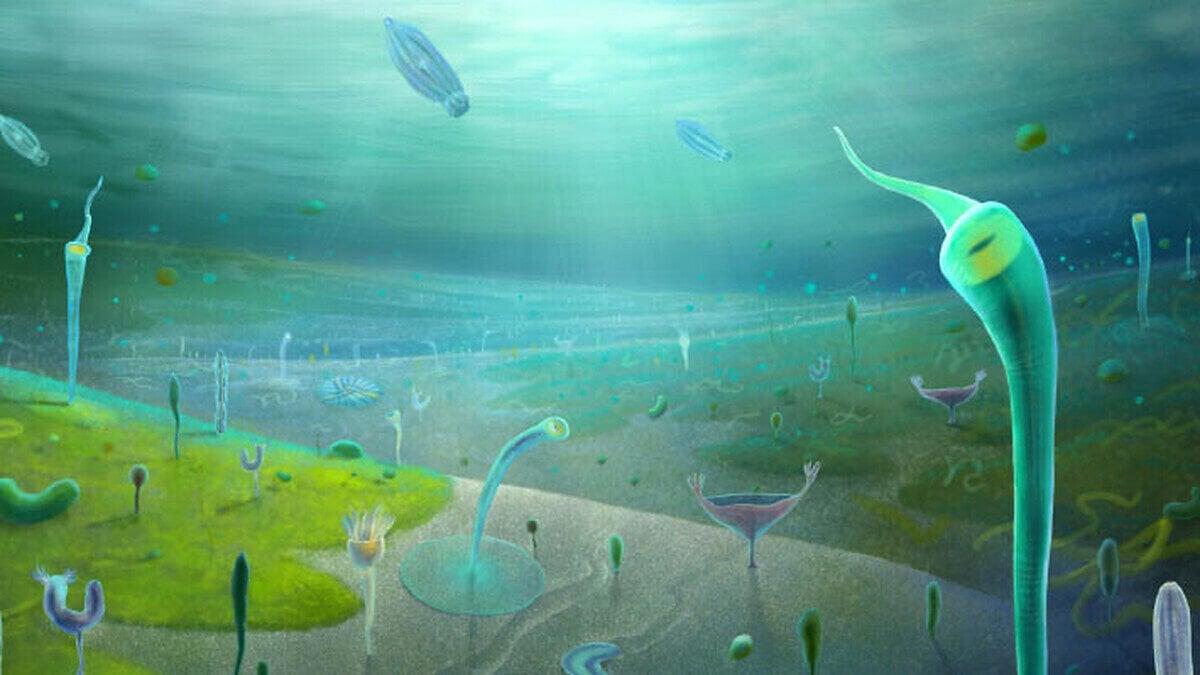
Researchers at Adelaide University say ancient seafloor canyons helped preserve some of Earth’s earliest complex animal fossils in the Flinders Ranges of South Australia. A rapid rise in sea level flooded the canyons and buried the seafloor under sediment, protecting delicate fossil impressions from storm waves.
The fossils are soft-bodied imprints of animals that lived more than 540 million years ago. They occur in the Ediacara Member, a rock layer known for one of the world’s most diverse collections of Ediacaran fossils.
Deep valleys cut into the ancient shelf
Lead author Dr. Karol Faehnrich and colleagues examined more than 3,000 m of rock sections and mapped the terrain using satellite-derived elevation models. They identified deep valleys oriented to the southeast, some up to 280 m deep and nearly 6 km wide.
Broken rock fragments cover the valley floors. Sediment deposited by underwater landslides and sediment-laden currents lies above them.
The researchers argue that rivers alone could not have carved valleys this deep. They propose that underwater canyons cut into the ancient continental shelf, possibly during a period of low global sea level, while rivers on the briefly exposed shelf also helped shape the valleys.
Flooding created conditions for preservation
When sea levels rose rapidly, water flooded the area and sediment filled the canyons. That burial put the seafloor below the reach of storm waves, creating conditions in which soft-bodied organisms could leave preserved impressions.
“We found evidence that huge underwater canyons cut across the continental shelf before being rapidly flooded as sea levels rose again,” Faehnrich said. “This flooding created the conditions that allowed one of the world’s richest Ediacaran fossils to be preserved.”
Co-author Dr. Diego Garcia-Bellido said the evidence points to “a combination of changing sea levels and local geological processes shaping the ancient basin.” He said the rise in sea levels played an important role in creating “a window of exceptional preservation.”
The researchers also found a similar pattern of falling and then rising seas in rocks of comparable age in Eastern Europe and elsewhere. They said that resemblance hints that the sea-level changes may have been global.
The study was published in the journal Earth and Planetary Science Letters.
 Take the quizWhat Kind of Holiday Spender Are You? Take the Black Friday QuizStart →
- 1U.S. Emergency Alert Test Nov. 17 Is Not a Power Outage

- 2DUP Chairman Lord Morrow Loses Wife and Daughter Within Hours in NI

- 3Women With Autoimmune Diseases Wait About 4 Years for Diagnosis, Study Finds

- 4NASA’s Curiosity Rover Burst Open a Rock and Found Pure Sulfur
- 5Stock Market Today: Dow Futures Slip as Nasdaq Futures Climb Before Earnings

 Lifestyle7 Signs Your Social Battery Is Running Low (and Why You Keep Cancelling Plans)
 Lifestyle · Food & HealthThanksgiving Food Safety: How Long Leftovers Last and the Safe Turkey Temperature
 Lifestyle7 Quiet Habits of Emotionally Intelligent People, According to Psychologists
 LifestylePeople Who Don’t Like Celebrating Their Birthday Often Share These 7 Traits