Pacific Nodules Host 245 Animals, Deep-Sea Study Finds
Researchers found more than 4,000 animals on 244 polymetallic nodules from the Pacific seabed, including one nodule with 245 lifeforms. The rocks are also targeted for metal mining, raising concerns that extraction could destroy habitats and biodiversity that took millions of years to form.
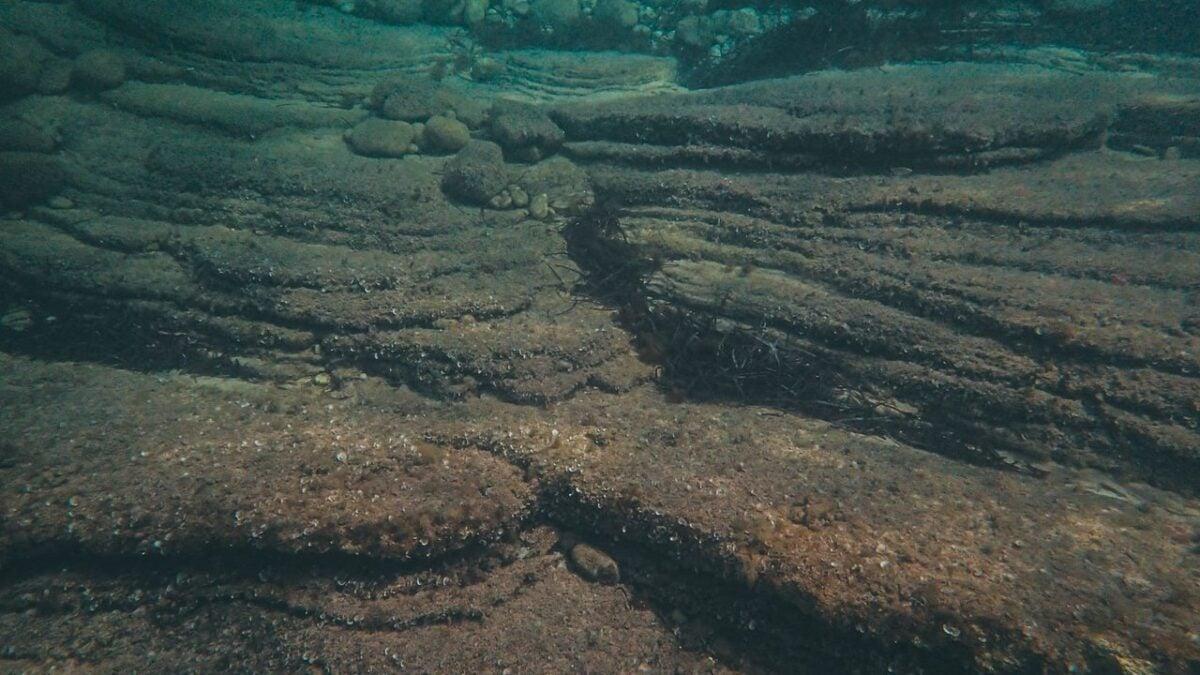
Scientists found as many as 245 animals living on a single Pacific seabed nodule, a potato-sized rock found miles below the ocean surface and sought for its metals. The findings point to a deep-sea habitat that mining could damage.
The study, published in Scientific Reports, examined 244 polymetallic nodules and counted more than 4,000 individual animals on their surfaces. Researchers said the rocks’ porous structure and crevices shelter small organisms.
Distinct communities inside the nodules
The nodules lie in the Clarion–Clipperton Zone, roughly 4,000 to 6,000 meters (about 2.5 to 3.7 miles) below the Pacific’s surface. They contain manganese, cobalt, copper, zinc and iron, metals used in emerging technologies.
On average, researchers found 17 animals on each nodule. The inhabitants ranged from single-celled organisms to nematodes and small crustaceans.
“The crevices in the polymetallic nodules function as small shelters and provide home to animals that we do not encounter in the soft sediment of the seafloor,” said Coral Diaz-Recio Lorenzo, a co-lead author from the Royal Netherlands Institute for Sea Research.
The surrounding sediment held more life overall, but the animals on the nodules formed distinct communities. Those communities were similar from one nodule to another and different from those in the surrounding mud.
One single-celled species, Thurammina sp. 1, appears adapted specifically to life on the nodules. Researchers said it could disappear if mining removed its habitat.
Mining could cause lasting biodiversity loss
Polymetallic nodules form slowly as dissolved metals build up in layers around ancient debris on the seafloor. They add only a few millimeters of rock every million years.
Sabine Gollner, a senior author of the study at the Royal Netherlands Institute for Sea Research, warned that extraction could affect species not yet described by science.
“Our findings point out that commercial mining may result in an irreversible loss of undescribed and unique biodiversity associated to nodules,” Gollner said. “This needs to be considered in environmental management of deep-sea mining.”
The study adds evidence about the ecological value of nodules as interest grows in mining them for metals. It does not establish how any particular mining operation would affect the animals.
A separate debate concerns whether nodules produce “dark oxygen,” a proposed form of oxygen production that does not rely on sunlight. Scientists who first reported possible evidence in 2024 are undertaking another expedition to the Clarion–Clipperton Zone to study the phenomenon, while the mining company that initially funded the research and other scientists have disputed the findings.
 Take the quizWhat Kind of Holiday Spender Are You? Take the Black Friday QuizStart →
- 1U.S. Emergency Alert Test Nov. 17 Is Not a Power Outage

- 2DUP Chairman Lord Morrow Loses Wife and Daughter Within Hours in NI

- 3Women With Autoimmune Diseases Wait About 4 Years for Diagnosis, Study Finds

- 4NASA’s Curiosity Rover Burst Open a Rock and Found Pure Sulfur
- 5Stock Market Today: Dow Futures Slip as Nasdaq Futures Climb Before Earnings

 Lifestyle7 Signs Your Social Battery Is Running Low (and Why You Keep Cancelling Plans)
 Lifestyle · Food & HealthThanksgiving Food Safety: How Long Leftovers Last and the Safe Turkey Temperature
 Lifestyle7 Quiet Habits of Emotionally Intelligent People, According to Psychologists
 LifestylePeople Who Don’t Like Celebrating Their Birthday Often Share These 7 Traits