Pinnacle Human Health Takes: Why Few Stool Donors Qualify
Fewer than 3% of people produce stool that qualifies for donation, and even fewer become elite donors for fecal transplants. Screening can include detailed health interviews and tests for more than 30 pathogens, while regular donors may need to visit a laboratory almost every day.
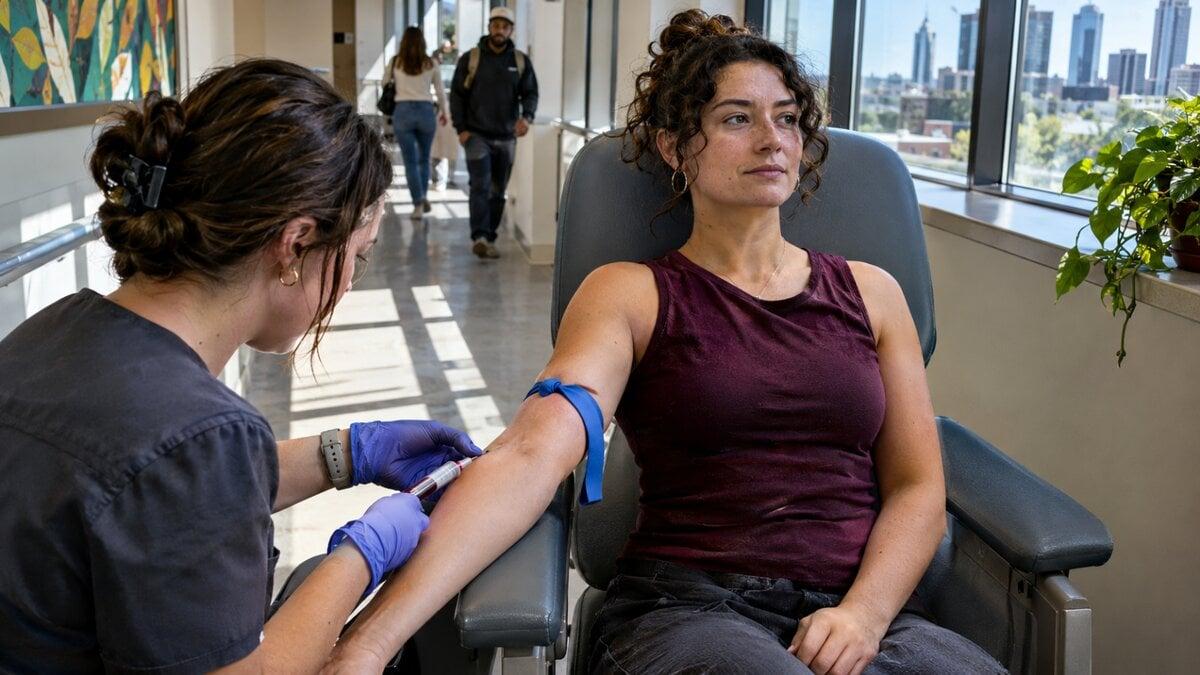
Fewer than 3% of people produce stool considered suitable for donation, and only a smaller fraction become regular donors for fecal transplants, a treatment used for recurrent Clostridioides difficile infections.
The screening is extensive. Candidates complete health surveys and interviews and undergo blood and stool tests that can check for more than 30 pathogens, parasites and drug-resistant organisms.
At the University of Toronto, about 1.6% of potential donors pass the initial screening, and around 0.6% are retained as regular donors, infectious disease expert Susy Hota said.
Fecal microbiota transplants introduce microorganisms from a donor’s stool into a patient’s gut. The treatment is approved for recurrent C. difficile infections and is being studied for other conditions, including irritable bowel syndrome, diabetes and osteoporosis.
Donor checks vary according to the condition being treated. They can cover infectious diseases, medical history, medications, supplements and, at some laboratories, recent food allergens.
“We’d be looking for an individual that’s the pinnacle of human health, and screening them the way we would an organ donor,” said Carl Crawford, a gastroenterologist at Weill Cornell Medicine.
Screening matters because infections can pass through stool. Fecal transplants have accidentally transmitted E. coli, while some respiratory infections can spread through particles released when a toilet is flushed, the account said.
Potential donors are commonly between 18 and 48 years old, though people outside that range may receive transplants. “We have treated 17-year-olds, and we’ve treated 96-year-olds,” Hota said.
Some programs consider diet and lifestyle, although most do not formally assess donors’ diets. Crawford said donors who eat both plant and animal foods can have greater gut bacterial diversity than vegetarians.
Regular donation also demands time. Donors may be asked to visit a laboratory almost every day and use a designated toilet. In the United States, payments can range from $25 (£19) per donation to around $100 (£76).
Researchers have found that particular donors may produce better results for some conditions. In a 2015 study of fecal transplants for ulcerative colitis, nine of 38 participants went into remission; seven had received stool from the same donor.
A 2017 study found that people given a mixture containing stool from one especially effective donor were around twice as likely to feel better as those given a mixture without it. Researchers have not established what made that donor’s stool more effective.
There is no reliable test to identify a so-called “super pooper,” and a donor who helps people with one condition may not help people with another, said Adam Faye, a gastroenterologist at NYU Langone Health.
“We’re still trying to figure out what is the secret sauce,” Faye said.
Two FDA-approved products for recurrent C. difficile infection use donor-derived material: REBYOTA, an enema made from stool, and VOWST, pills containing bacterial spores.
Crawford said future treatments may use microbes selected from donors and grown in laboratories. “I think that microbiome-based therapies have the potential to be the future of medicine,” he said.
 Take the quizWhat Kind of Holiday Spender Are You? Take the Black Friday QuizStart →
- 1U.S. Emergency Alert Test Nov. 17 Is Not a Power Outage

- 2DUP Chairman Lord Morrow Loses Wife and Daughter Within Hours in NI

- 3NASA’s Curiosity Rover Burst Open a Rock and Found Pure Sulfur

- 4Women With Autoimmune Diseases Wait About 4 Years for Diagnosis, Study Finds

- 5Stock Market Today: Dow Futures Slip as Nasdaq Futures Climb Before Earnings

 Lifestyle · Food & Health4 Reasons to Eat Oatmeal, According to Nutrition Experts
 Lifestyle7 Signs Your Social Battery Is Running Low (and Why You Keep Cancelling Plans)
 Lifestyle · Food & HealthThanksgiving Food Safety: How Long Leftovers Last and the Safe Turkey Temperature
 Lifestyle7 Quiet Habits of Emotionally Intelligent People, According to Psychologists