Nature Activities Help Counter Loneliness, Studies Find
A yearlong study in Barcelona found that lonely adults who took part in nature-based activities reported a nearly 17 percent drop in loneliness, whether or not they also received peer support. Researchers also found reduced loneliness across programs in five other cities.
Nature-based activities may offer a here’s science-backed way counteract loneliness, with a yearlong study in Barcelona finding participants’ reported loneliness fell by almost 17 percent. Researchers also found reduced loneliness in programs across six cities.
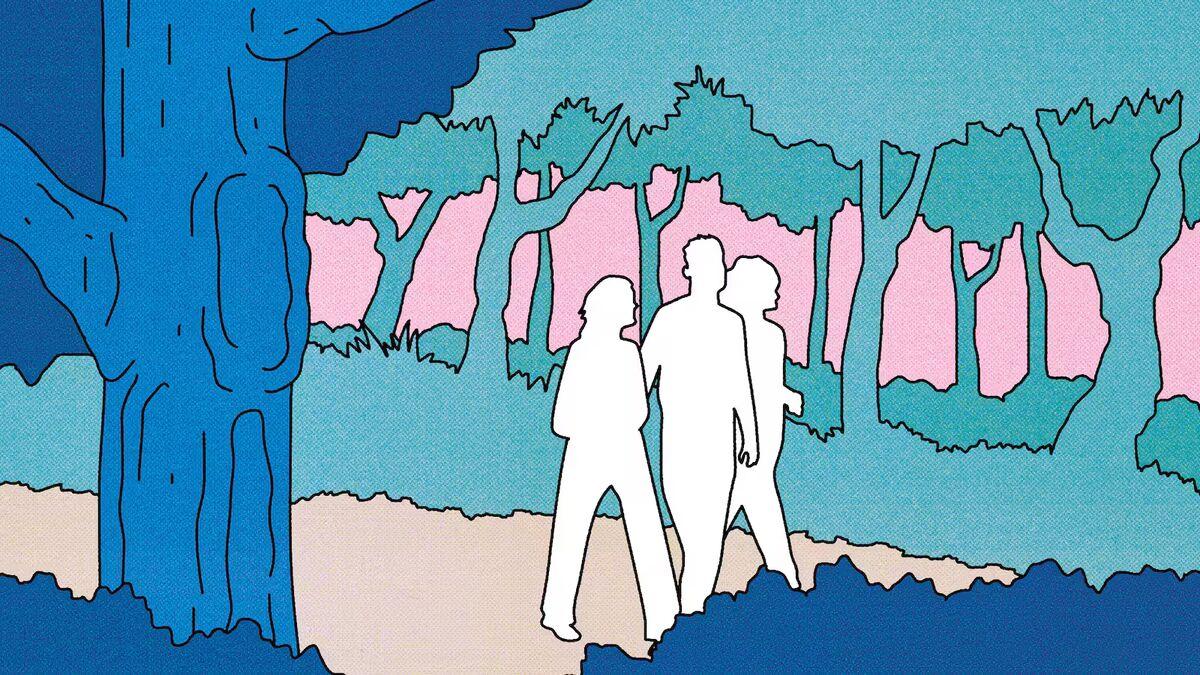
The activities included bike rides, forest bathing, community gardening and tai chi in parks. The findings suggest that going outdoors can help people connect, even when they do not join an organized peer-support group.
Loneliness is linked to a higher risk of mental and physical health conditions, including depression, anxiety and dementia. People spend an estimated 90 percent of the day indoors, disconnected from one another and the natural world.
In the Barcelona trial, researchers recruited 320 adults who said they felt lonely and had been referred by health professionals. One group received peer support and took part in weekly nature activities with seven to nine other participants and two facilitators.
The activities came from a menu curated by local people. A control group received a detailed map showing where to find nature activities, without built-in peer support.
Both groups reported lower loneliness at a follow-up 12 months later. Researchers said the drop was almost 17 percent, and the benefits remained months after the study ended.
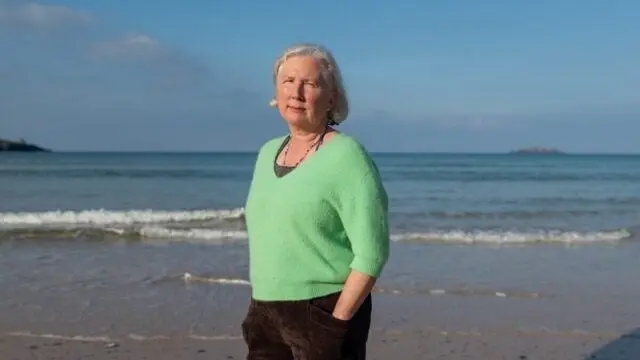
“What we didn’t expect was that they really used the map,” said Jill Litt, a senior researcher at the Barcelona Institute for Global Health and a professor in the University of Colorado Boulder’s Environmental Studies program.
People who began the study feeling the loneliest and needing the most support benefited most from the group activities, Litt said. For people who felt less lonely, access to nature activities alone was enough to help.
Litt and her colleagues ran similar programs in Marseille, France; Helsinki; Prague; Cuenca, Ecuador; and Melbourne, Australia. Across all six cities, nature-based activities reduced loneliness, she said.
Researchers have proposed several reasons nature may help. It can relieve stress, and its gentle pull on attention may give people space to refocus on others. Research also suggests time in nature can reduce rumination on negative thoughts and feelings about oneself.
A 2015 study found that people who walked for 90 minutes in nature experienced less rumination and decreased activity in a brain area implicated in rumination and major depression. A walk of the same length in an urban setting had no effect on either measure.
Matthew Browning, an associate professor at Clemson University who studies nature and health, said nature can help people relax and become more open to others. He described the research as “some of the most reliable evidence for this to date.”
People without access to organized programs can try walking in a leafy city park, joining a hiking group or volunteering at a community garden. Browning said outdoor time can matter less than being present during it: a sunset may do little if someone is staring at a phone.
Litt said even a 15-minute outdoor walking meeting “really can change your whole mindset.”
 Take the quizWhat Kind of Holiday Spender Are You? Take the Black Friday QuizStart →
- 1U.S. Emergency Alert Test Nov. 17 Is Not a Power Outage

- 2DUP Chairman Lord Morrow Loses Wife and Daughter Within Hours in NI

- 3NASA’s Curiosity Rover Burst Open a Rock and Found Pure Sulfur

- 4Women With Autoimmune Diseases Wait About 4 Years for Diagnosis, Study Finds

- 5Stock Market Today: Dow Futures Slip as Nasdaq Futures Climb Before Earnings

 Lifestyle · Food & Health4 Reasons to Eat Oatmeal, According to Nutrition Experts
 Lifestyle7 Signs Your Social Battery Is Running Low (and Why You Keep Cancelling Plans)
 Lifestyle · Food & HealthThanksgiving Food Safety: How Long Leftovers Last and the Safe Turkey Temperature
 Lifestyle7 Quiet Habits of Emotionally Intelligent People, According to Psychologists