Australia Set to Jail Defense Site Photographers for 7 Years
Australia’s Parliament is expected to pass a bill imposing a seven-year prison penalty for photographing designated defense security zones. The legislation would also allow exemptions from some state and territory laws for defense activities, drawing objections from civil liberties groups and the Greens.
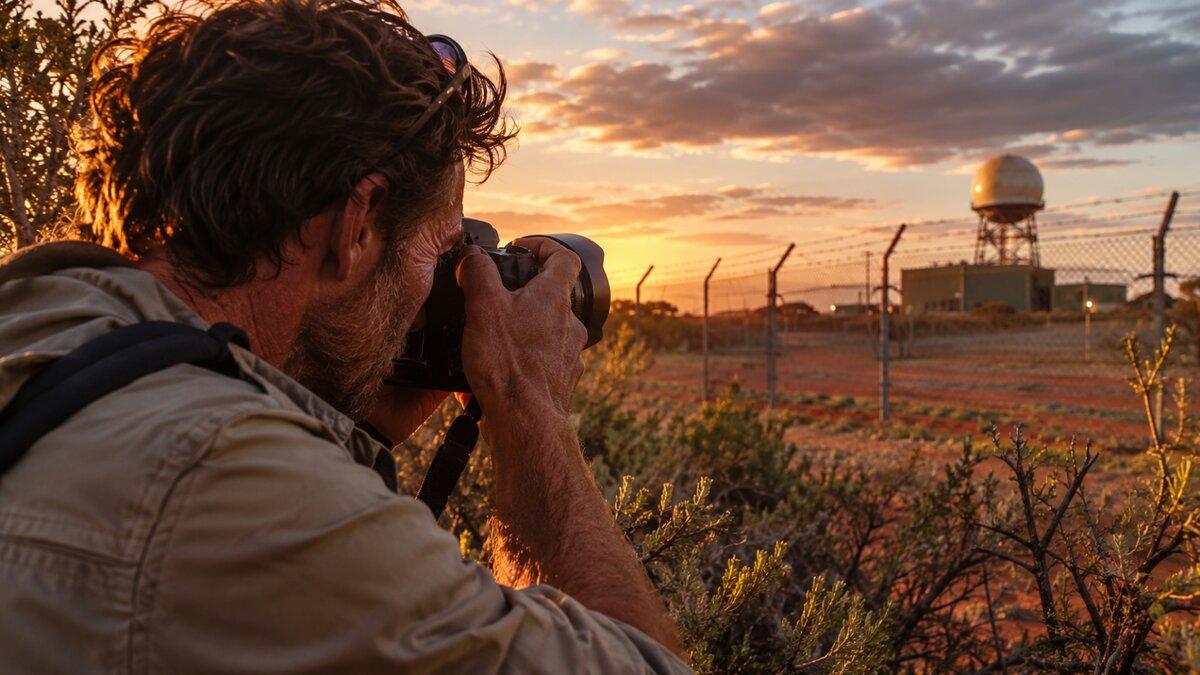
Australia’s Parliament is set to pass a bill introduced on October 27 that would impose a seven-year prison penalty for photographing designated defense sites. The proposal would affect facilities used by Australian and US forces.
Labor and the Coalition approved the bill in a rapid inquiry, despite concerns that it could criminalize protests. It is expected to pass during Parliament’s final sitting fortnight.
The proposed offense covers making or recording an image of a defense security zone. It also covers images of a person or object in, entering or leaving such a zone.
Prosecutors would not need to prove trespass or a security risk. The bill offers no defense for public-interest journalism.
The restrictions would apply to Pine Gap, a secret Australian-US satellite facility, and other zones designated by the defense minister.
Bill expands defense powers
The bill would let the minister or senior public servants declare that specified conduct does not breach a particular state or territory law. Some offenses would remain prohibited, including force or threats, sexual offenses and acquiring an interest in land.
The measure aims to help Australian and foreign defense personnel develop and test capabilities related to AUKUS. The alliance includes a planned transfer of nuclear submarines.
A separate electronic declaration could authorize officials to intercept communications or access stored messages. It would face safeguards, including a six-month limit and a requirement that the minister consider the impact on people in Australia reasonable and proportionate.
The bill also proposes offenses for unauthorized entry and presence at protected sites. It would authorize measures to detect, track, interfere with or disable drones near defense security zones.
The Department of Defence said the bill would allow defense personnel, industry and international partners to develop and introduce advanced capabilities more efficiently. It also cited recent drone incursions at defense bases in Australia and other countries.
Critics challenge proposed reach
Digital Rights Watch questioned extending protections to contractors. It warned that defense contractors could operate facilities serving both military and civilian purposes.
The Maritime Union of Australia opposes the acquisition of nuclear submarines. In its submission, it said it “opposes using these powers to entrench foreign military activities and jointly run facilities in Australia or advance AUKUS.”
Australian Greens leader David Shoebridge criticized the scrutiny given to the 231-page bill. He warned that protesters could face penalties near designated defense vehicles or facilities.
Deputy Prime Minister Richard Marles called the proposal “a modern legislative framework to accelerate capability development, protect our people and bases, and respond to emerging security threats.”
 Take the quizWhat Kind of Holiday Spender Are You? Take the Black Friday QuizStart →
- 1U.S. Emergency Alert Test Nov. 17 Is Not a Power Outage

- 2Gold Silver Price November: Futures Rise Near Yearly Lows

- 3Michael Clarke Says Sandpapergate Scars Drew Steve Smith to New York

- 42027 NFL Mock Draft Puts Ohio State’s Jeremiah Smith at No. 1

- 5GTA 6 New Zealand Time Trick Is Not Guaranteed to Work

 Lifestyle · Food & Health4 Reasons to Eat Oatmeal, According to Nutrition Experts
 Lifestyle7 Signs Your Social Battery Is Running Low (and Why You Keep Cancelling Plans)
 Lifestyle · Food & HealthThanksgiving Food Safety: How Long Leftovers Last and the Safe Turkey Temperature
 Lifestyle7 Quiet Habits of Emotionally Intelligent People, According to Psychologists