Duke University Partners With Rural Groups on Health Care
Duke University has opened a rural health partnership in Vance County, North Carolina, and awarded its first grants to local groups. Separate research projects will test artificial intelligence tools for heart patients and investigate kidney health among farmworkers.
Duke University has established a rural health research partnership in Vance County, North Carolina, and recently awarded its first grants to local groups. The work brings university researchers and community organizations together to address gaps in care.
The partnership is one of several Duke initiatives focused on rural health. Others are studying heart care, farmworker kidney health and water pollution.
The university’s Interdisciplinary Hub for Rural Health Equity is working with the Green Rural Redevelopment Organization, which addresses health issues in 15 central and Piedmont counties. An early project joined a local health department to improve diabetes management for residents.
The hub draws on expertise in nursing, medicine, divinity, engineering and social sciences. Its first series of seed grants went to local groups working on rural health projects.
Hub director Devon Noonan, a professor at Duke’s School of Nursing, said approaches designed in urban medical centers may not work in rural communities. “That’s why these partnerships are so important,” she said.
Heart Study Will Test AI Tools
A separate three-year project led by Duke and the Duke Clinical Research Institute will test three artificial intelligence tools for cardiovascular care, particularly for patients with heart failure.
The nationwide study will focus largely on rural areas in North Carolina, Texas, Ohio and elsewhere. Researchers will assess whether the tools can monitor patients and communicate with them about their needs.
The technology is intended to support tasks including care coordination and medication management. Researchers will also examine whether it can help physicians understand patients’ heart health and provide tailored recommendations.
Dr. Manesh Patel, Duke’s chief cardiologist and the project’s leader, said many of his patients travel long distances for care. “But just like any other tool, before I expose my patients to it, I want to study it,” he said.
The American Heart Association is also leading the consortium, which includes university health systems, rural health partners and the Health AI Partnership.
Farmworkers and Waterways Under Study
Duke researchers Nishad Jayasundara and nephrologist Dr. Anna Strasma are evaluating kidney health and heat exposure among farmworkers in eastern North Carolina. Their ongoing studies involve a small number of participants.
The studies show a high prevalence of decreased kidney function among those workers. The researchers are examining the effects of heat and pesticide exposure.
“We’re trying to detangle which is the primary driver, the heat or the pesticides, but clearly there are interactions that cause harm,” said Jayasundara, an assistant professor of global environmental health.
In and around Carteret County, residents are monitoring drains through Adopt-a-Drain, a partnership involving the Duke Marine Lab, the UNC Institute for Marine Sciences and Coastal Carolina Riverwatch.
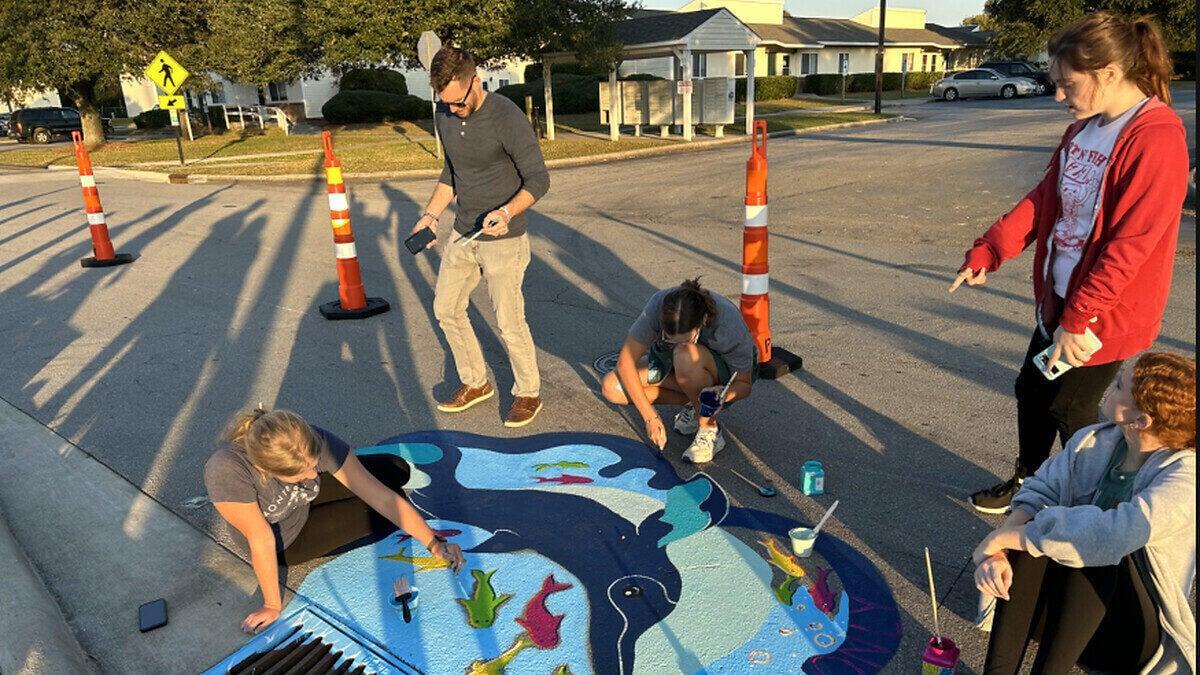
Participants examine trash and pollutants that can enter waterways through drains and ditches. They are also encouraged to draw or paint around drain covers.
Food wrappers and cigarettes are the most common items found, said Liz DeMattia, a research scientist at Duke’s Nicholas School of the Environment.
 Take the quizWhat Kind of Holiday Spender Are You? Take the Black Friday QuizStart →
- 1Gold Silver Price November: Futures Rise Near Yearly Lows

- 2U.S. Emergency Alert Test Nov. 17 Is Not a Power Outage

- 32027 NFL Mock Draft Puts Ohio State’s Jeremiah Smith at No. 1

- 4Michael Clarke Says Sandpapergate Scars Drew Steve Smith to New York

- 5GTA 6 New Zealand Time Trick Is Not Guaranteed to Work

 Lifestyle · Food & Health4 Reasons to Eat Oatmeal, According to Nutrition Experts
 Lifestyle7 Signs Your Social Battery Is Running Low (and Why You Keep Cancelling Plans)
 Lifestyle · Food & HealthThanksgiving Food Safety: How Long Leftovers Last and the Safe Turkey Temperature
 Lifestyle7 Quiet Habits of Emotionally Intelligent People, According to Psychologists