Diabetes in Winter: How Cold Weather Can Affect Older Adults
Cold weather can make blood sugar and circulation harder to manage for older adults with diabetes. Dr. Ritu Rana of HelpAge India says the effort to stay warm can raise blood sugar, while reduced circulation can make foot problems more serious.
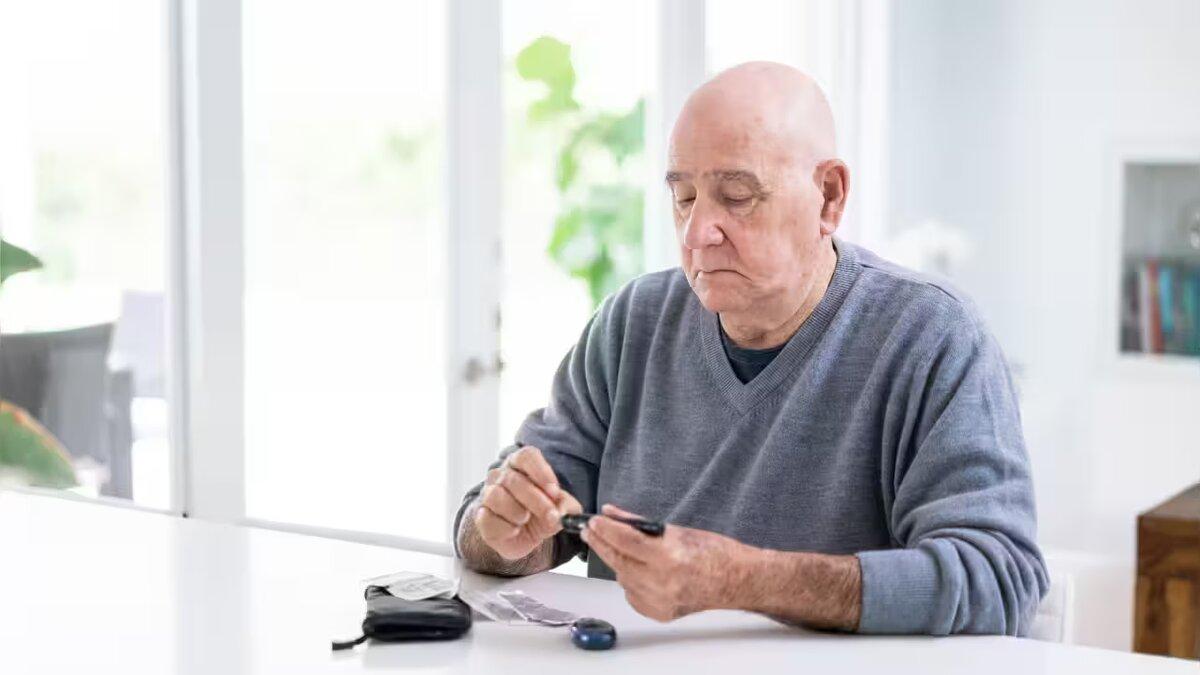
Dr. Ritu Rana of HelpAge India says cold weather can raise blood sugar in older adults with diabetes, even when their meals stay the same. Winter conditions can also affect circulation and foot health, making everyday checks important.
The body works harder to stay warm in the cold. Rana says that effort can push blood sugar up in older people whose metabolic control is already unstable.
She notes that self-reported diabetes affects about 14% of Indians aged 60 and above. More than 70% of seniors live with at least one chronic condition, she says.
To conserve warmth, the body narrows blood vessels in the hands, feet and legs. That can further reduce blood flow when diabetes or peripheral artery disease has already restricted circulation.
The narrowing can also raise blood pressure and strain the heart. The US National Institute on Aging says poor circulation increases the risk of cold injury.
Dry skin can crack in winter. Reduced blood flow and slower healing can allow a small crack on a foot to develop into an ulcer or serious infection.
Checking the soles, heels and toes daily can help identify cracks, redness or pressure spots. Moisturizer can help dry skin, though creams should be kept away from the gaps between toes, where dampness encourages fungus.
Cold weather can also make movement harder. Joint pain and fear of slipping on cold floors can keep people seated, while less movement increases insulin resistance.
Changes in eating habits can affect blood sugar, too. Sore teeth or gums may lead people to choose soft foods such as sweetened porridge, which can raise blood sugar after meals.
The National Institute on Aging advises keeping indoor heat at 68°F or higher. It says homes at 60 to 65°F can lead to hypothermia in older adults.
Other steps include wearing loose, breathable layers, drinking fluids and checking blood sugar more often. Gentle indoor movement, such as slow laps of a living room, can also help.
Caregivers can help ensure medicines are taken on time and watch for warning signs. A doctor should be called when blood sugar swings or unusual symptoms appear.
 Take the quizWhat Kind of Holiday Spender Are You? Take the Black Friday QuizStart →
- 1U.S. Emergency Alert Test Nov. 17 Is Not a Power Outage

- 2Michael Clarke Says Sandpapergate Scars Drew Steve Smith to New York

- 3Gold Silver Price November: Futures Rise Near Yearly Lows

- 42027 NFL Mock Draft Puts Ohio State’s Jeremiah Smith at No. 1

- 5GTA 6 New Zealand Time Trick Is Not Guaranteed to Work

 Lifestyle · Food & Health4 Reasons to Eat Oatmeal, According to Nutrition Experts
 Lifestyle7 Signs Your Social Battery Is Running Low (and Why You Keep Cancelling Plans)
 Lifestyle · Food & HealthThanksgiving Food Safety: How Long Leftovers Last and the Safe Turkey Temperature
 Lifestyle7 Quiet Habits of Emotionally Intelligent People, According to Psychologists