Sydney’s Three-Storey Walk-Ups Face a Building Squeeze
Low-rise apartments have fallen to 1% of Sydney home approvals, down from 18% in the early 1990s. The Committee for Sydney says building rules and other costs are holding back construction, while the New South Wales government says it is taking steps to improve feasibility.
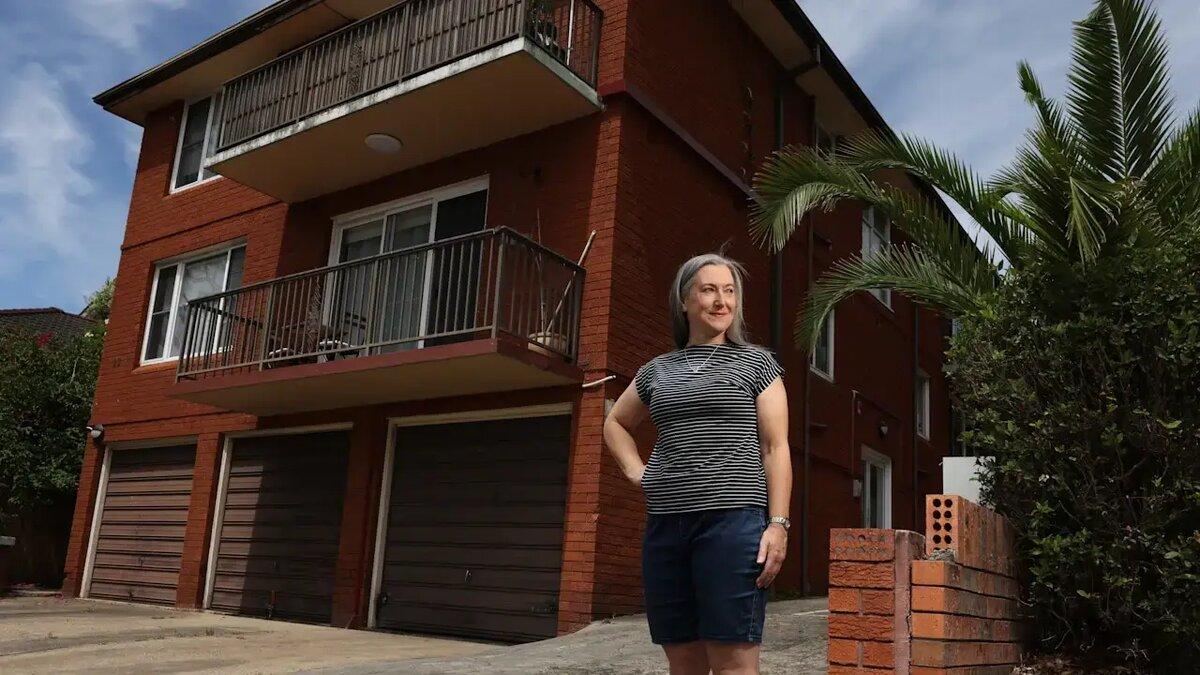
The Committee for Sydney has warned that Sydney’s popular three-storey walk-ups face extinction unless building regulations change.
Low-rise apartments now account for 1% of home approvals, down from 18% in the early 1990s, the think tank found. Its report says housing completions lag behind approvals, despite planning changes that have unlocked capacity for hundreds of thousands of homes.
The decline affects a style of housing that research by UNSW City Futures found was popular with residents. People favored low- and mid-rise apartments for their greater sense of community and lower strata costs.
Building rules add to costs
Committee for Sydney planning director Estelle Grech said regulations treat a three-storey apartment building like a 30-storey tower. Compliance costs can make smaller projects financially unviable, she said.
“Even if you rezone the land, the buildings aren’t going to come – because no one can afford to build it,” Grech said.
Architect Philip Thalis said a low-density apartment project that once needed six to eight consultants now requires 20 to 25. New buildings also need services that cost money to install and maintain, he said.
“The cumulative impact is devastating for affordability of apartments,” Thalis said.
The committee wants costs reduced across land acquisition, construction, design and compliance, as well as costs caused by delays. It also recommends a building code for walk-ups that reflects their size and distinguishes them from towers.
The think tank urged the New South Wales government to test the approach through state-owned agencies Homes NSW and Landcom before a broader rollout.
Developers face wider pressures
Urban Development Institute of Australia NSW chief executive Stuart Ayres said rising interest rates and supply-chain disruptions have increased material costs. Developers also face constraints that delay projects and put upward pressure on house prices.
Ayres said those pressures push low- and mid-rise development toward the north shore and eastern suburbs, where developers can sell for more per square meter. He said availability becomes considerably shallower farther west.
Resident Tamsyn Glen chose a three-storey flat in Marrickville more than 16 years ago. She said a smaller block helped her manage strata issues, while avoiding a pool and elevator kept associated fees down.
The state government is behind on its commitment to build 112,000 low- and mid-rise homes by mid-2029.
A government spokesperson said more than 17,000 homes were under assessment and more than 5400 had been approved in areas covered by low- and mid-rise planning reforms.
The spokesperson said the government was working to reduce delivery costs through measures including pattern book designs, prefabricated homes, insurance changes for low-rise buildings and a pre-sale finance guarantee.
 Take the quizWhat Kind of Holiday Spender Are You? Take the Black Friday QuizStart →
- 1U.S. Emergency Alert Test Nov. 17 Is Not a Power Outage

- 2Gold Silver Price November: Futures Rise Near Yearly Lows

- 3Michael Clarke Says Sandpapergate Scars Drew Steve Smith to New York

- 42027 NFL Mock Draft Puts Ohio State’s Jeremiah Smith at No. 1

- 5GTA 6 New Zealand Time Trick Is Not Guaranteed to Work

 Lifestyle · Food & Health4 Reasons to Eat Oatmeal, According to Nutrition Experts
 Lifestyle7 Signs Your Social Battery Is Running Low (and Why You Keep Cancelling Plans)
 Lifestyle · Food & HealthThanksgiving Food Safety: How Long Leftovers Last and the Safe Turkey Temperature
 Lifestyle7 Quiet Habits of Emotionally Intelligent People, According to Psychologists