UK Diesel Prices Hit Record as Inflation Reaches 3.6%
UK inflation reached a one-year high of 3.6% in October as diesel prices hit a record, according to the Office for National Statistics. Motor fuel was the biggest driver of the increase, while food inflation slowed and the core rate held steady.
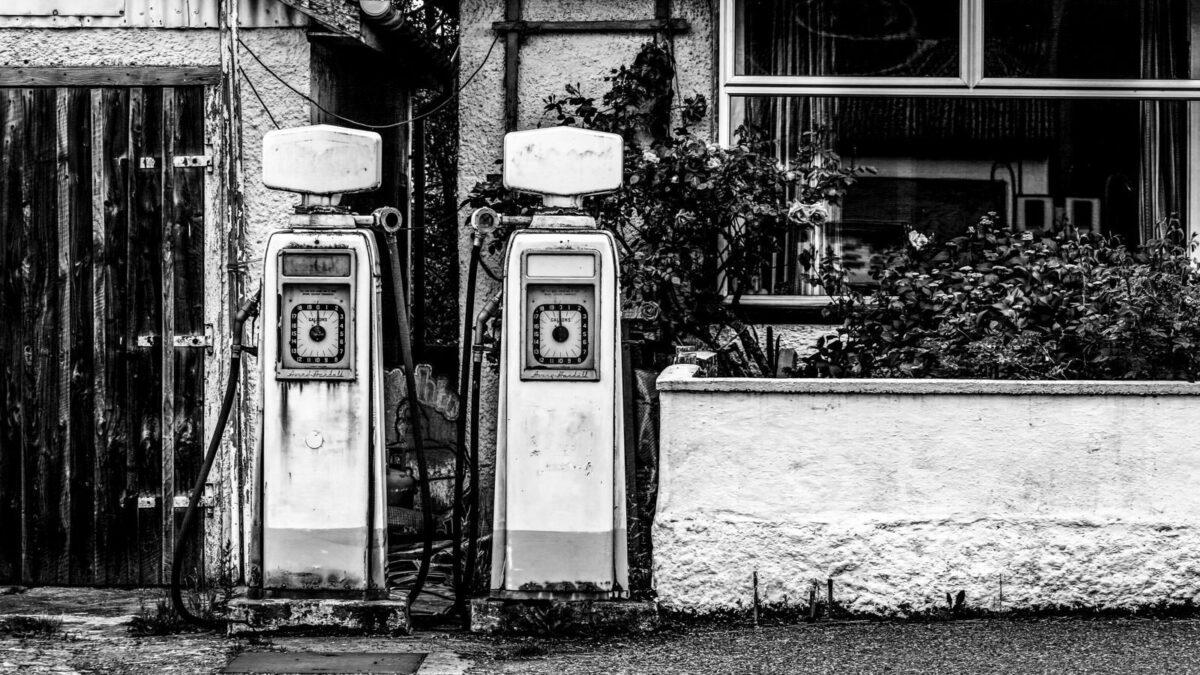
The UK Office for National Statistics said inflation reached 3.6% in the 12 months to October, as record diesel prices helped drive up motor fuel costs.
That was a one-year high. Annual inflation stood at 3.5% in September.
Motor fuel prices rose 33.2% over the year to October, up from 29.8% in September. It was the fastest annual increase since July 2022.
Diesel averaged 199.5 pence per liter in October, the highest since records began in 1996. Its price rose by 7 pence per liter during the month.
Petrol averaged 174.7 pence per liter, its highest level since August 2022. The price rose by 5.2 pence per liter between September and October, against a 0.7 pence increase over the same period a year earlier.
Fuel lifts transport costs
Transport contributed more than any other category to the increase in the overall inflation rate. Transport prices rose 7.5% in the year to October, compared with 6.6% in September.
Grant Fitzner, chief economist at the statistics office, said fuel prices were “once again a major contributor to the increase in the annual rate.”
Other pressures eased. Food and non-alcoholic drink inflation slowed to 0.9% from 1.3%, its lowest level since September 2021.
Core inflation, which excludes energy, food, alcohol and tobacco, held at 2.8%. Services inflation remained at 3.7%.
Consumer prices rose 0.5% in October compared with the previous month.
Bank weighs further rate increase
The Bank of England raised its main interest rate by a quarter of a percentage point to 4% in early November. It was the first increase in more than three years.
Markets were pricing in around an 80% chance of another increase at the bank's final meeting of the year.
In its November forecast, the bank projected inflation of around 5% in mid-2027. A separate scenario put inflation at about 6.2% in the third quarter if energy prices rose sharply and stayed high.
Sanjay Raja, Deutsche Bank's chief UK economist, said both overall and core inflation were 0.1 percentage points below the bank's forecasts. Services inflation was also lower than the bank expected.
Raja expects the household energy price cap to rise by more than 20% in January. He also expects food inflation to climb again and pointed to temporary fuel and electricity tax cuts expiring in July 2027.
 Take the quizWhat Kind of Holiday Spender Are You? Take the Black Friday QuizStart →
- 1U.S. Emergency Alert Test Nov. 17 Is Not a Power Outage

- 2Gold Silver Price November: Futures Rise Near Yearly Lows

- 3Michael Clarke Says Sandpapergate Scars Drew Steve Smith to New York

- 4GTA 6 New Zealand Time Trick Is Not Guaranteed to Work

- 5Sunrise on the Reaping Reviews Split Over Dark Hunger Games Prequel

 Lifestyle · Food & Health4 Reasons to Eat Oatmeal, According to Nutrition Experts
 Lifestyle7 Signs Your Social Battery Is Running Low (and Why You Keep Cancelling Plans)
 Lifestyle · Food & HealthThanksgiving Food Safety: How Long Leftovers Last and the Safe Turkey Temperature
 Lifestyle7 Quiet Habits of Emotionally Intelligent People, According to Psychologists