UK Inflation Rate Rises Again to 3.6% as Fuel Costs Climb
UK inflation rose to 3.6% in the year to October, up from 3.5% in September, as higher petrol and diesel prices drove costs higher. Diesel reached a record average of 199.5p per litre, while the Bank of England faces pressure to keep inflation on track toward its 2% target.
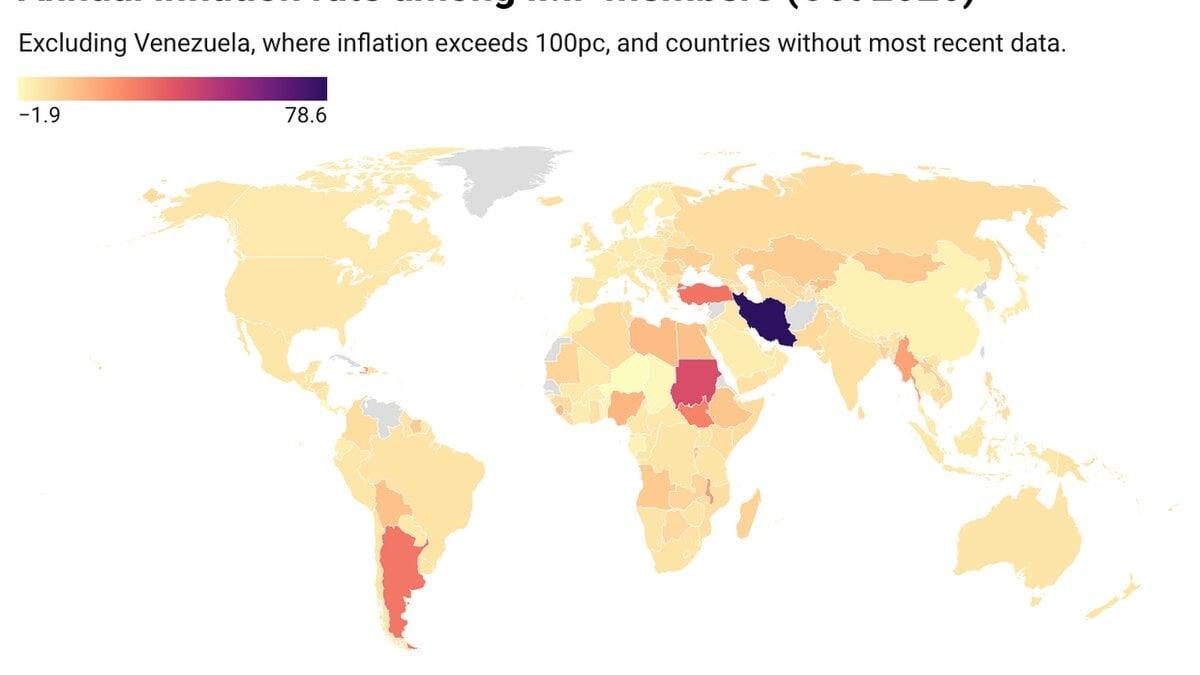
The UK’s inflation rate rose to 3.6% in the year to October, up from 3.5% in September, as higher petrol and diesel prices pushed costs higher, the Office for National Statistics said.
Fuel prices climbed again. Diesel averaged 199.5p per litre in October, its highest level since records began 30 years ago. Petrol reached 174.7p per litre, the highest since August 2022.
Energy costs pressure household budgets
Higher oil prices also lifted the cost of raw materials and goods leaving factories, the statistics office said. Businesses may pass those costs on to consumers through more expensive food and everyday goods.
Food price inflation rose by 0.9%, its slowest pace in five years. Price increases in restaurants and cafes slowed, while hotel prices fell on average. Core inflation, which excludes food and energy, and services inflation changed little from the previous month.
Household energy bills are forecast to rise when a new price cap takes effect in January. Consultancy Cornwall Insight expects gas and electricity bills to jump by 26%, adding £443 to annual household energy costs. It forecasts average annual costs of £2,166.
The government has cut value-added tax on electricity bills to zero until next July and plans to give £100 to 20 million homes in January. Cornwall Insight retail markets principal Craig Lowrey said the support could “only chip away at the edges of a bill that continues to be pushed up by events in the Middle East”.
Bank of England weighs price pressures
The Bank of England raised its interest rate from 3.75% to 4% earlier this month, its first increase in three years. Higher rates can raise borrowing costs for some mortgages, loans and credit cards, while improving returns on savings.
The Bank said the increase was intended to “limit how much higher energy costs affect other prices”. Its spokesperson said policymakers would keep setting rates to return inflation to the 2% target and keep it there.
The relatively steady core and services inflation readings could give policymakers reason to hold off on another rate increase in December. The Bank has said inflation could peak at 4.9% in the middle of next year and return to 2% in 2028.
In an adverse scenario involving a further escalation of the US-Iran war and higher oil prices, the Bank has suggested inflation could reach 6.2% in 2027.
ONS chief economist Grant Fitzner said fuel prices were “once again a major contributor” to October’s rise. He added: “Annual costs of both raw materials and goods leaving factories continue to climb, driven by higher crude oil and petrol prices, respectively.”
 Take the quizWhat Kind of Holiday Spender Are You? Take the Black Friday QuizStart →
- 1U.S. Emergency Alert Test Nov. 17 Is Not a Power Outage

- 2DUP Chairman Lord Morrow Loses Wife and Daughter Within Hours in NI

- 3NASA’s Curiosity Rover Burst Open a Rock and Found Pure Sulfur

- 4Women With Autoimmune Diseases Wait About 4 Years for Diagnosis, Study Finds

- 5Stock Market Today: Dow Futures Slip as Nasdaq Futures Climb Before Earnings
 Lifestyle · Food & Health4 Reasons to Eat Oatmeal, According to Nutrition Experts
 Lifestyle7 Signs Your Social Battery Is Running Low (and Why You Keep Cancelling Plans)
 Lifestyle · Food & HealthThanksgiving Food Safety: How Long Leftovers Last and the Safe Turkey Temperature
 Lifestyle7 Quiet Habits of Emotionally Intelligent People, According to Psychologists