RBA Board Members Sounded Alarm Over Downturn and Job Losses
Three Reserve Bank of Australia board members warned that the economy could be nearing a sharper downturn, with unemployment among their concerns. They opposed raising the cash rate at the November meeting, but the board’s majority voted to lift it to 4.85%.
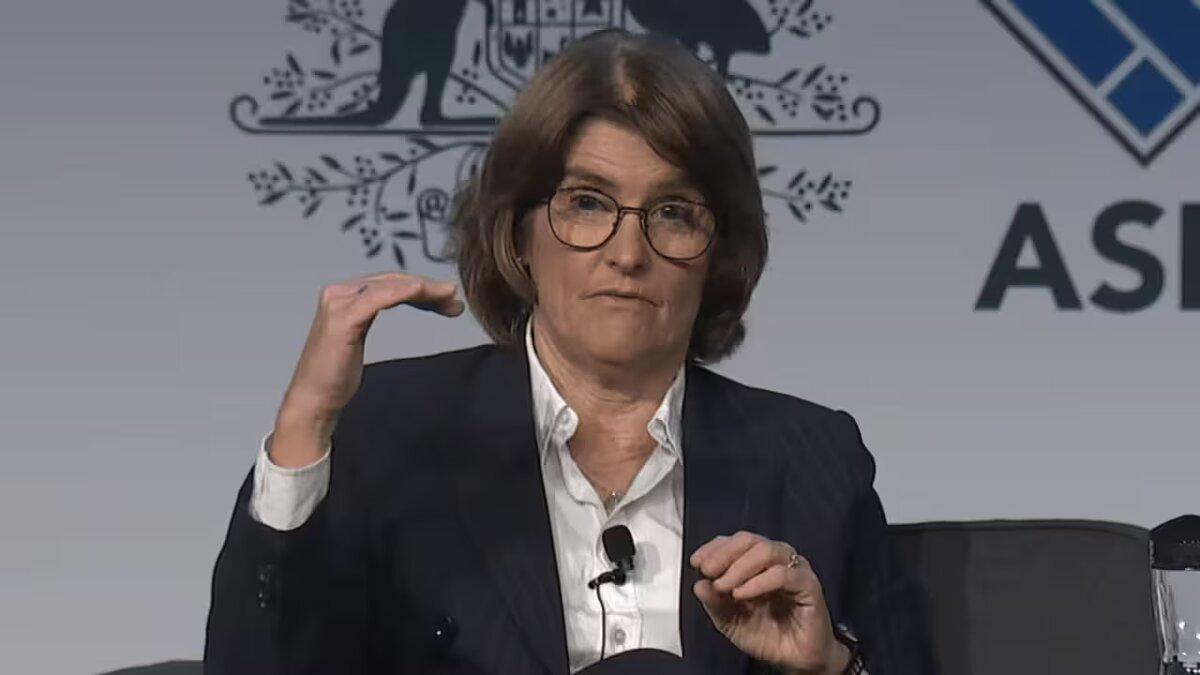
Three Reserve Bank of Australia board members warned that Australia could be nearing a sharper economic downturn and pointed to unemployment risks in opposing a rate increase at the November meeting, according to the published minutes.
The board voted six to three to raise the cash rate by 25 basis points to 4.85%. The dissenting members argued that the effects of earlier rate hikes had not yet fully reached the economy.
“These members expressed their concern that the economy might be near the point of entering a materially sharper downturn and pointed to the costs in terms of unemployment,” the minutes said.
The three members did not rule out another increase. They argued the central bank should wait to see how previous hikes affected the economy, placing more weight on weaker growth and unemployment than on the risk that inflation would remain high.
The majority judged persistent inflation the greater concern and raised rates immediately.
Governor Michele Bullock had said the bank’s central forecasts did not point to a recession, while acknowledging that financial conditions could feel like one to many households.
The minutes also described how some mortgage holders have buffers in offset and redraw accounts, which may limit the effect of higher repayments on household spending. Extra mortgage payments into those accounts have fallen below average.
Other indicators showed pressure from higher rates: housing prices and new lending had fallen, household credit growth had slowed, and scheduled loan repayments had returned to around their 2024 peak as a share of household income.
Bullock told ASIC’s annual forum that low-income renters were among those hardest hit by the cost of living. “They are the ones that are having to deal with the cost of living within a budget, and it’s a budget of essentials,” she said.
She also said the central bank was hearing early signs that some businesses viewed inflation of around 3 to 3.5 per cent as a “new normal.” Bullock warned that if the expectation became ingrained among businesses and households, it would be harder to bring inflation back to the 2.5 per cent target.
October unemployment figures are due Thursday, followed by inflation figures on November 25 and gross domestic product figures on December 2. The Reserve Bank’s final meeting of the year is scheduled for December 7 and 8.
 Take the quizWhat Kind of Holiday Spender Are You? Take the Black Friday QuizStart →
- 1U.S. Emergency Alert Test Nov. 17 Is Not a Power Outage

- 2DUP Chairman Lord Morrow Loses Wife and Daughter Within Hours in NI

- 3NASA’s Curiosity Rover Burst Open a Rock and Found Pure Sulfur

- 4Women With Autoimmune Diseases Wait About 4 Years for Diagnosis, Study Finds

- 5Stock Market Today: Dow Futures Slip as Nasdaq Futures Climb Before Earnings
 Lifestyle7 Signs Your Social Battery Is Running Low (and Why You Keep Cancelling Plans)
 Lifestyle · Food & HealthThanksgiving Food Safety: How Long Leftovers Last and the Safe Turkey Temperature
 Lifestyle7 Quiet Habits of Emotionally Intelligent People, According to Psychologists
 LifestylePeople Who Don’t Like Celebrating Their Birthday Often Share These 7 Traits