U.S. Strikes Iranian Missile Site After Third Iran Attack on Bahrain in Five Days
Iran attacked a U.S. radar installation in Bahrain, prompting a U.S. strike on an Iranian missile site near the Strait of Hormuz. The exchange was the third Iranian attack on U.S. military targets in Bahrain in five days and followed a roughly two-month lull in fighting.
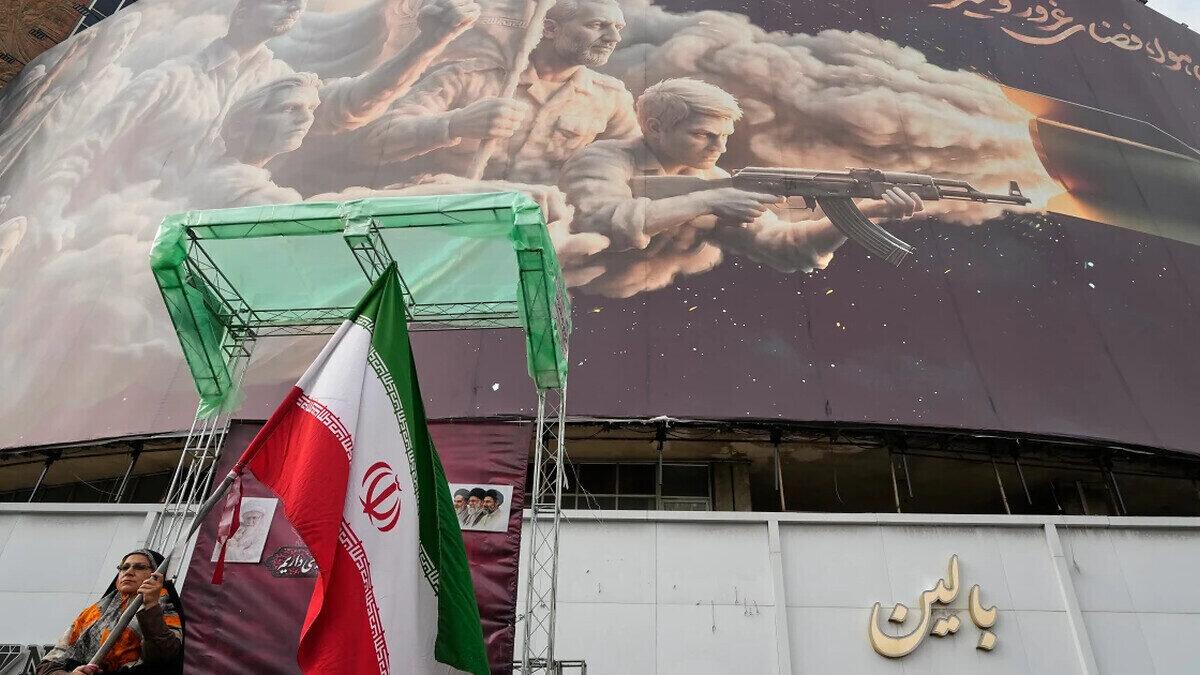
Iran’s third attack on U.S. military targets in Bahrain in five days ended a roughly two-month lull in fighting, as the United States retaliated with a strike on an Iranian missile site near the Strait of Hormuz. The exchange raises the risk of renewed escalation along a waterway critical to global energy shipments.
Iran sent drones toward a U.S. radar installation in Bahrain on Tuesday. Bahrain said its air defenses intercepted the attacks, while the U.S. military reported no damage to its equipment and no injuries to American personnel.
Hours later, a U.S. fighter jet struck an Iranian Revolutionary Guard missile launch site on Qeshm Island, a U.S. official said. The official said the operation used “precision munitions” and responded to “aggression” against U.S. personnel.
Ahmad Nafisi, a local official, said the strike caused no damage to residential or commercial areas or infrastructure.
The two sides’ attacks followed earlier Iranian strikes on a U.S. early-warning radar facility on Friday and a radar system at an American helicopter base on Sunday. The attacks came after U.S. strikes on Iranian communications towers and drone surveillance operations; Iran said it was retaliating.
Iran has faced a U.S. naval blockade for months in and around the Strait of Hormuz, where shipping has been disrupted during the war. The blockade has curbed Iranian crude shipments to global markets, while oil tankers traveling under U.S. military protection have helped restore Gulf oil shipments to roughly prewar levels.
U.S. President Donald Trump has said new strikes on Iran are highly unlikely, but the United States has sent a third aircraft carrier and thousands more troops to the Middle East. Trump also told Vice President JD Vance that negotiations were not needed at this time.
The USS Theodore Roosevelt carrier strike group has joined the USS George H.W. Bush and USS George Washington in the region. The combined U.S. naval presence across the Persian Gulf, Arabian Sea, Red Sea and Mediterranean now exceeds the force deployed when the United States and Israel launched the war, according to an analysis by Israel’s Institute for National Security Studies.
U.S. Central Command declined to comment on whether all three carrier strike groups would remain in the region. The ships are also supporting the blockade of Iranian shipping.
Egypt, Qatar, Saudi Arabia and the United Arab Emirates condemned Iran’s attack on Bahrain, describing it as a violation of the kingdom’s sovereignty and a threat to its security and stability. Bahrain hosts the U.S. Navy’s 5th Fleet.
Negotiations to end the war have stalled despite intensified mediation efforts by Qatar. Qatar said Iran’s “continued attacks” on Bahrain “undermine diplomatic efforts,” while Foreign Ministry spokesman Majed Al Ansari warned that further escalation posed an “extremely grave danger” to the prospects for an agreement.
Iran’s Revolutionary Guard Corps said in a statement that “continued aggression against the country’s airspace, as well as the use of regional military bases and facilities for hostile acts against Iran, will not go unanswered.”
Iranian leaders face a choice over whether to challenge the blockade or accept its continuation, Hamidreza Azizi, a senior Iran analyst at the International Crisis Group, wrote in an analysis posted to X. “It also depends on whether Tehran concludes that the costs of continued restraint have become greater than the risks of escalation,” he wrote.
Sascha Bruchmann, a Bahrain-based defense analyst with the International Institute for Strategic Studies, said Iran’s attacks reflected growing impatience as its economic pressures mounted. “Tehran knows it needs to do something, but I wouldn’t overestimate what we saw against Bahrain this week. This is not it — yet,” he said.
 Take the quizWhat Kind of Holiday Spender Are You? Take the Black Friday QuizStart →
- 1U.S. Emergency Alert Test Nov. 17 Is Not a Power Outage

- 2DUP Chairman Lord Morrow Loses Wife and Daughter Within Hours in NI

- 3NASA’s Curiosity Rover Burst Open a Rock and Found Pure Sulfur

- 4Women With Autoimmune Diseases Wait About 4 Years for Diagnosis, Study Finds

- 5Stock Market Today: Dow Futures Slip as Nasdaq Futures Climb Before Earnings

 Lifestyle7 Signs Your Social Battery Is Running Low (and Why You Keep Cancelling Plans)
 Lifestyle · Food & HealthThanksgiving Food Safety: How Long Leftovers Last and the Safe Turkey Temperature
 Lifestyle7 Quiet Habits of Emotionally Intelligent People, According to Psychologists
 LifestylePeople Who Don’t Like Celebrating Their Birthday Often Share These 7 Traits