Pauline Hanson Unveils Plan to Cut Refugee Intake by 90%
Pauline Hanson’s One Nation has proposed cutting Australia’s annual refugee intake from 20,000 to 2,000 and ending parent and grandparent visas. The plan also calls for net negative migration, while the government has revised proposed rules for working holidaymakers after regional businesses raised concerns.
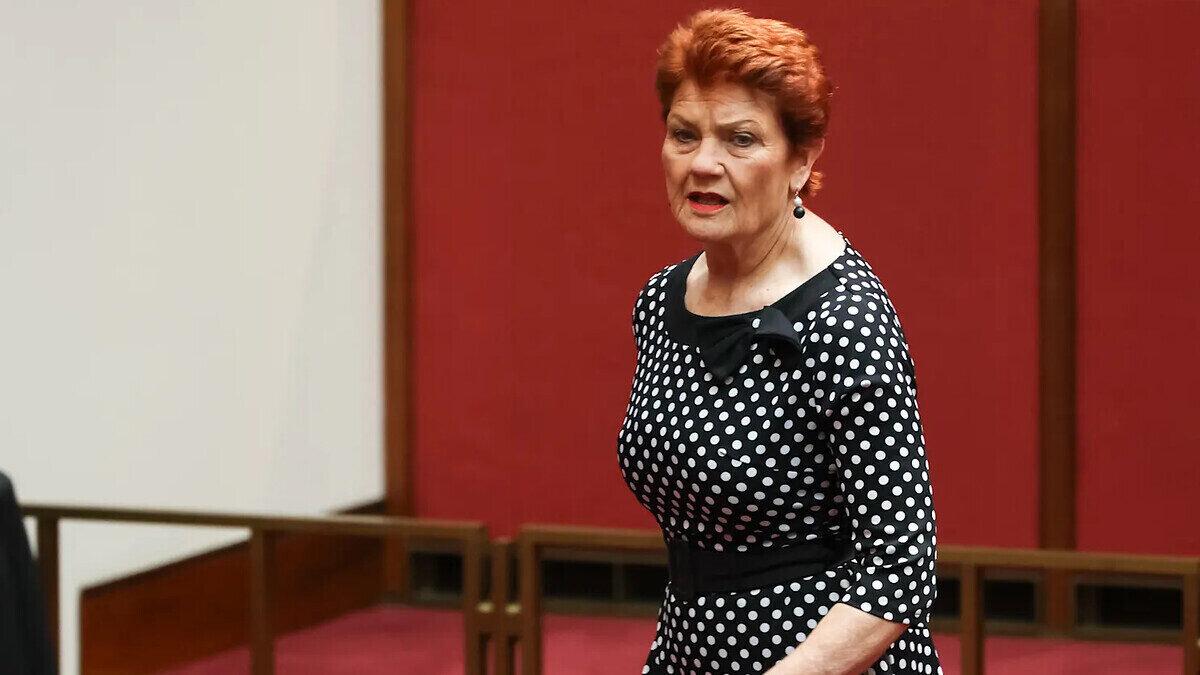
Pauline Hanson unveiled a plan in Australia to reduce the annual refugee intake from 20,000 to 2,000 and abolish parent and grandparent visas. The One Nation leader’s proposals would sharply restrict two migration pathways as immigration remains a focus of national political debate.
The plan would end the roughly 7,000 parent and grandparent visas granted each year. Migrants could still bring parents and grandparents to visit on three-, six- or 12-month visitor visas, One Nation said.
One Nation also wants to prohibit people from applying for asylum after arriving in Australia and pursue net negative migration, meaning more people would leave than arrive. The party has not specified the size of the intended net reduction.
Hanson said: “Migrants have helped build Australia, and we remain a generous country, but we must look after Australians first.”
The policy follows an earlier One Nation pledge to cut the temporary migration program by 750,000. That proposal was uncosted, and economists said it would damage the economy.
One Nation’s latest plan draws on Treasury estimates about the lifetime fiscal impact of different visa groups. The party says parent and refugee arrivals cost federal and state taxpayers more than $500,000 over their lifetimes, while skilled migrants contribute a net $260,000.
Using those estimates, One Nation says its proposals would save taxpayers $140 billion in today’s dollars. The Parliamentary Budget Office has not costed the policy.
The party argues a refugee cap of 2,000 a year would still leave Australia above the OECD average for per-capita refugee intake. The United Nations estimates that conflicts, including those in Sudan and Ukraine, have displaced around 118 million people globally.
The immigration debate has also prompted changes to Labor’s rules for working holidaymakers. Home Affairs Minister Tony Burke said the planned cap on third-year working holidaymakers had been increased from 5,000 to 25,000 after regional businesses warned the earlier proposal could worsen labor shortages.
Backpackers will need to complete an extra month of regional work to qualify for a second-year visa. Burke said any increase in net overseas migration would be offset by slower visa processing.
Opposition Leader Angus Taylor has pledged to halve the annual refugee intake of 20,000. Labor considered reducing the humanitarian program to 13,750, its long-run base figure, but reversed course after opposition from its own lawmakers.
The competing proposals put migration policy alongside inflation and housing affordability in the political debate. The government, opposition and One Nation have all acknowledged that the post-pandemic migration surge has put pressure on housing affordability.
 Take the quizWhat Kind of Holiday Spender Are You? Take the Black Friday QuizStart →
- 1U.S. Emergency Alert Test Nov. 17 Is Not a Power Outage

- 2DUP Chairman Lord Morrow Loses Wife and Daughter Within Hours in NI
- 3NASA’s Curiosity Rover Burst Open a Rock and Found Pure Sulfur

- 4Women With Autoimmune Diseases Wait About 4 Years for Diagnosis, Study Finds

- 5Stock Market Today: Dow Futures Slip as Nasdaq Futures Climb Before Earnings

 Lifestyle7 Signs Your Social Battery Is Running Low (and Why You Keep Cancelling Plans)
 Lifestyle · Food & HealthThanksgiving Food Safety: How Long Leftovers Last and the Safe Turkey Temperature
 Lifestyle7 Quiet Habits of Emotionally Intelligent People, According to Psychologists
 LifestylePeople Who Don’t Like Celebrating Their Birthday Often Share These 7 Traits