Oil Prices Slide as Gulf Exports Recover, Surplus Looms
Brent and U.S. crude futures fell for a second straight week as traders weighed recovering Gulf exports against fresh threats to shipping. Goldman Sachs expects global oil supply to exceed demand by about 2 million barrels a day in 2027, while attacks and stalled U.S.-Iran talks leave prices exposed to sudden shifts.
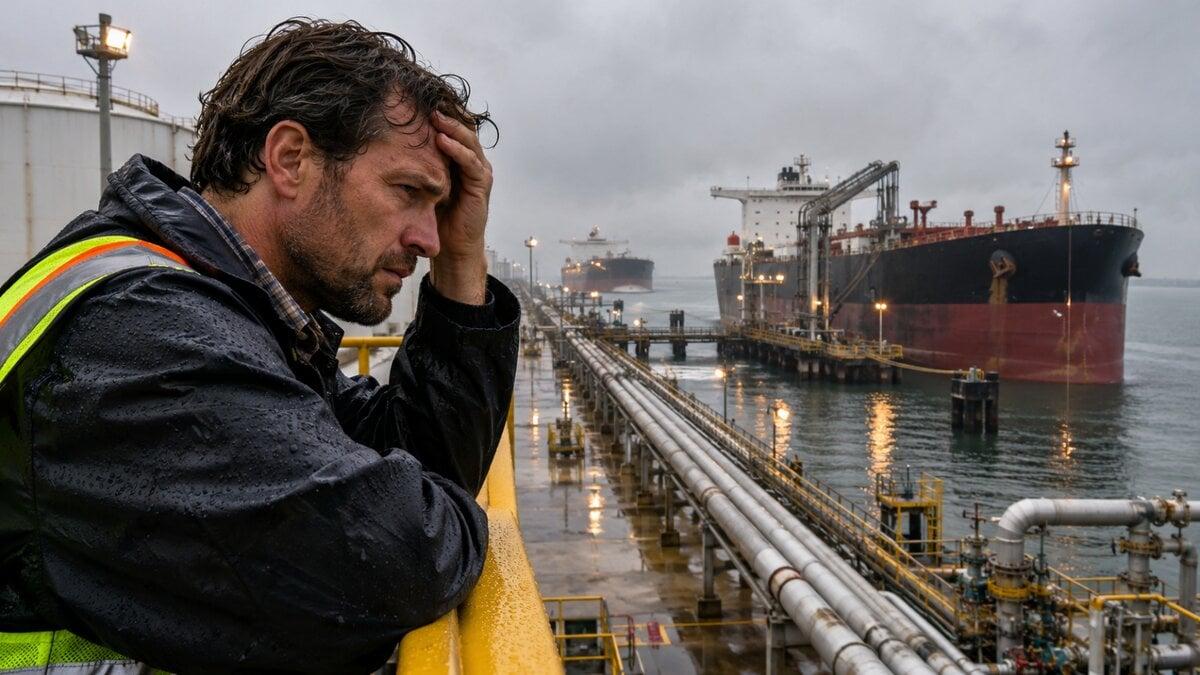
Oil prices fell Monday as recovering Gulf exports and expectations of a global supply surplus outweighed renewed threats to Middle Eastern shipments. Brent crude futures dropped 3.5% to $92.44 a barrel, while U.S. West Texas Intermediate fell 3.2% to $85.72.
Both benchmarks also posted a second consecutive weekly decline. Traders are weighing restored production against attacks on shipping and continued uncertainty around U.S.-Iran negotiations.
“The oil market has stopped trading geopolitical headlines and started trading actual supply,” said Mark Malek, chief investment officer at Siebert Financial.
Goldman Sachs expects global oil supply to exceed demand by about 2 million barrels a day in 2027 as Middle Eastern producers restore output and high prices weigh on consumption. The bank forecasts Brent to average $88 a barrel next year before falling to $78 by year-end.
About 3.8 million barrels a day of additional pipeline capacity is expected to come online over the next year, helping Gulf producers increase exports despite shipping disruptions.
J.P. Morgan estimated that global oil supply exceeded demand by 1.1 million barrels a day in September and 1.4 million barrels a day in October. The International Energy Agency said the market was expected to return to a surplus in the fourth quarter as recovering Middle Eastern exports outpaced demand.
The agency also warned that further attacks on shipping could undermine the recovery. Ole Hansen, head of commodity strategy at Saxo Bank, said stalled U.S.-Iran negotiations and tanker attacks leave prices vulnerable to a sharp reversal.
Rising Gulf output has also intensified competition among regional producers. Saudi Arabia and the United Arab Emirates cut official selling prices for December deliveries as they compete for market share, Hansen said.
Security incidents continued. A Saudi-led military coalition said Sunday it intercepted two Houthi ballistic missiles launched toward Riyadh and several drones targeting the kingdom, including its oil-producing Eastern Province.
Bahrain said it intercepted Iranian attacks over the weekend. U.S. Central Command said two Iranian drones were intercepted and no American forces were hit.
U.K. Maritime Trade Operations said Sunday that Indian shipping authorities had reported an attack on a tanker traveling eastbound through the Persian Gulf before entering the Strait of Hormuz. The crew was safe, and the extent of the damage remained unknown.
 Take the quizWhat Kind of Holiday Spender Are You? Take the Black Friday QuizStart →
- 1U.S. Emergency Alert Test Nov. 17 Is Not a Power Outage

- 2DUP Chairman Lord Morrow Loses Wife and Daughter Within Hours in NI

- 3NASA’s Curiosity Rover Burst Open a Rock and Found Pure Sulfur

- 4Women With Autoimmune Diseases Wait About 4 Years for Diagnosis, Study Finds

- 5Stock Market Today: Dow Futures Slip as Nasdaq Futures Climb Before Earnings

 Lifestyle7 Signs Your Social Battery Is Running Low (and Why You Keep Cancelling Plans)
 Lifestyle · Food & HealthThanksgiving Food Safety: How Long Leftovers Last and the Safe Turkey Temperature
 Lifestyle7 Quiet Habits of Emotionally Intelligent People, According to Psychologists
 LifestylePeople Who Don’t Like Celebrating Their Birthday Often Share These 7 Traits