Ocean Animals Survive Being Frozen Through Different Adaptations
Barnacles, mussels, marine snails, icefish and tardigrades have different ways of enduring freezing conditions. Studies found that thawing breaks can help bay mussels recover, while some tardigrades survive freezing only during a particular resting stage.
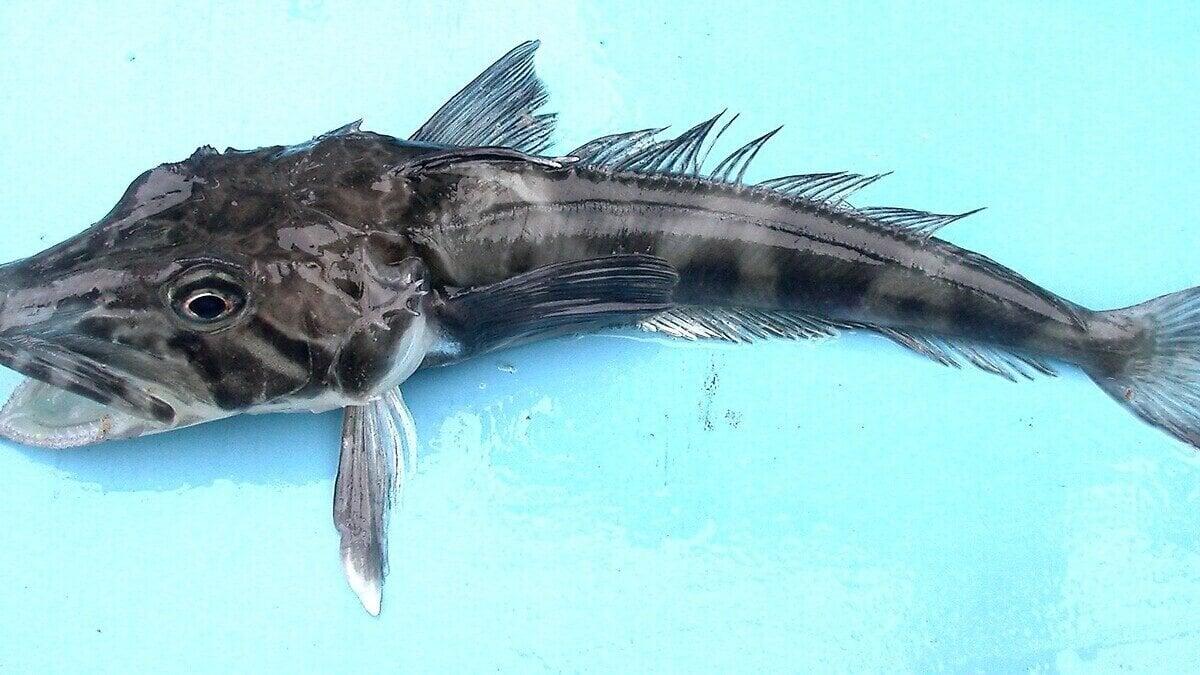
Researchers have documented how ocean animals survive being frozen, with different species relying on shell protection, changes in body chemistry or a special resting stage.
Freezing can damage cells when ice crystals form inside them and disrupt the balance of water and salts in tissues. Some marine animals endure that threat; others prevent ice from growing in their bodies.
Short freezes help bay mussels
Bay mussels can survive ice forming between their cells. As ice develops in those spaces, water moves out of the cells, lowering the risk of damaging crystals forming inside them.
A 2023 study by Lauren Gill, Jessica Kennedy and Katie Marshall at the University of British Columbia found that mussels exposed to several short freezes had better survival rates than mussels subjected to one continuous freeze. The breaks appeared to give them time to recover from some of the damage.
The total time frozen was the same in both conditions. The duration of each freeze mattered.
Barnacles endure repeated freezing
Acorn barnacles attach to rocks and other hard surfaces along North America's Pacific coast, where they remain for life. When the tide recedes, they can withdraw their soft bodies and close the plates at their shells’ openings.
In experiments in 2004, University of Alaska researcher Heather Kristine Patterson found that acorn barnacles could withstand repeated freezing at 14°F. Their shells offer protection, but do not stop ice from forming inside their bodies. Scientists do not know exactly how the barnacles survive those repeated freezes.
Icefish keep body fluids from freezing
Antarctic icefish take a different approach. Antifreeze glycoproteins bind to tiny ice crystals and stop them from growing, allowing the fish to live in Southern Ocean water that can hover around 28°F.
In 2014, Paul Cziko of the University of Oregon, Christina Cheng and Arthur DeVries of the University of Illinois found that the proteins can also keep ice crystals from melting. Some crystals may remain in the fish without making them freeze solid.
Icefish lack red blood cells and hemoglobin. Their nearly transparent blood carries oxygen dissolved in plasma, while large hearts and extensive blood vessels help circulate it.
Snails prepare for winter
Sitka periwinkles live high on rocky shores from Alaska to the Pacific Northwest, where they face more exposure to winter weather than snails lower on the shore. A 2015 study near Juneau, Alaska, found that they tolerated freezing temperatures around 11°F. Their resistance also increased during winter, alongside seasonal changes in body chemistry.
File dogwinkles, which prey on barnacles and shellfish, respond to falling temperatures by stopping their feeding and retreating into crevices, beneath boulders or into sediment. William Stickle and colleagues found that the snails also accumulated higher concentrations of amino acids, including taurine and glycine, during colder months. Those compounds may contribute to their freezing tolerance.
Tardigrades need the right life stage
Some tardigrades live in marine environments. Halobiotus crispae inhabits sediments and algae in northern coastal waters, and its ability to withstand freezing depends on its life stage.
A 2009 study led by Kenneth Agerlin Halberg found that the tardigrades tolerated freezing during a resting stage called “pseudosimplex 1.” In laboratory experiments, ice began forming at approximately -4°F. Tardigrades in other life stages did not show the same freezing tolerance.
 Take the quizWhat Kind of Holiday Spender Are You? Take the Black Friday QuizStart →
- 1U.S. Emergency Alert Test Nov. 17 Is Not a Power Outage

- 2DUP Chairman Lord Morrow Loses Wife and Daughter Within Hours in NI

- 3NASA’s Curiosity Rover Burst Open a Rock and Found Pure Sulfur
- 4Women With Autoimmune Diseases Wait About 4 Years for Diagnosis, Study Finds

- 5Stock Market Today: Dow Futures Slip as Nasdaq Futures Climb Before Earnings

 Lifestyle7 Signs Your Social Battery Is Running Low (and Why You Keep Cancelling Plans)
 Lifestyle · Food & HealthThanksgiving Food Safety: How Long Leftovers Last and the Safe Turkey Temperature
 Lifestyle7 Quiet Habits of Emotionally Intelligent People, According to Psychologists
 LifestylePeople Who Don’t Like Celebrating Their Birthday Often Share These 7 Traits