Mars ‘Spiders’ Recreated in a NASA Lab for the First Time
Dark, branching marks near Mars’ south pole are geological scars, not animals. NASA’s Jet Propulsion Laboratory recreated the patterns in 2024, supporting a theory that carbon dioxide ice fractures and releases gas in spring.
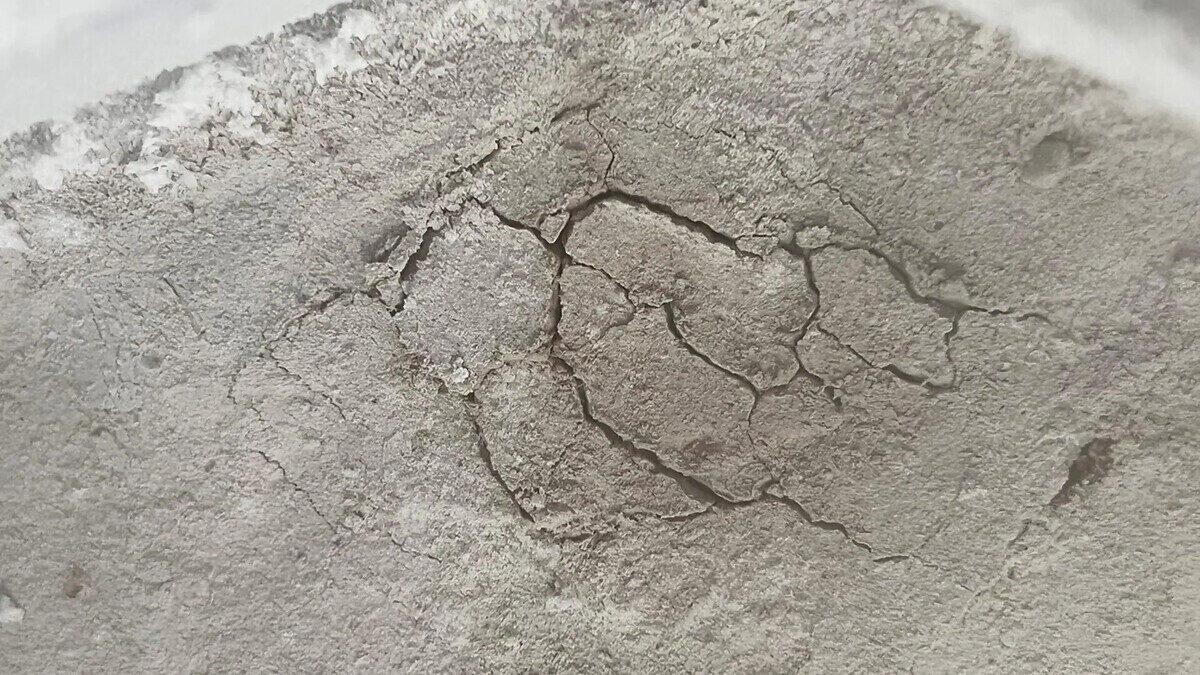
Orbiters first spotted spiders on Mars in 2003, and NASA’s Jet Propulsion Laboratory recreated the branching ground patterns in a lab in 2024.
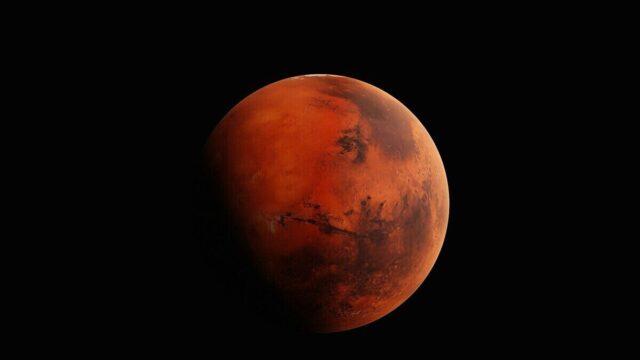
They are not animals. The dark marks near Mars’ south pole are cracks and scars in the soil, known as araneiform terrain.
Some groups stretch more than 3,300 feet across. The lab experiment supports the theory that carbon dioxide ice breaks apart in spring, releasing gas that carries dust and sand onto the surface.
Simulating a Martian spring
Researchers used a chamber called DUSTIE, short for Dirty Under-vacuum Simulation Testbed for Icy Environments. About the size of a wine barrel, it was cooled with liquid nitrogen and set to a temperature of minus 301°F (minus 185°C).
The team froze carbon dioxide into simulated Martian soil, then warmed it from below with a lamp. Gas escaped for about 10 minutes before the ice disappeared, leaving a spider-like pattern behind.
The experiment recreated a process scientists had suspected for years but had not reproduced in a lab. It followed the Kieffer model: carbon dioxide from Mars’ thin atmosphere freezes into slabs during winter, then sunlight warms the ground beneath the ice in spring.
The ice turns directly into gas without melting. As pressure builds, gas cracks the ice and bursts out, carrying dust and sand. The branching scars become visible as the ice vanishes.
What the experiment showed
The tests also found that ice formed within the soil, not just on its surface. That could help explain why the legs of some Martian “spiders” have a zigzag shape.
JPL scientist Lauren McKeown said the first successful experiment came after about five years of work. “It was late on a Friday evening and the lab manager burst in after hearing me shrieking,” she said in a NASA statement.
The results were published in The Planetary Science Journal in September 2024. The experiment does not show that every spider-like feature on Mars formed in exactly the same way, and it recreated the patterns at a much smaller scale.
Researchers still do not know why the features appear in some regions but not others, or why their number does not seem to grow from year to year. The JPL team plans further experiments in the same chamber to investigate those questions.
 Take the quizWhat Kind of Holiday Spender Are You? Take the Black Friday QuizStart →
- 1U.S. Emergency Alert Test Nov. 17 Is Not a Power Outage

- 2DUP Chairman Lord Morrow Loses Wife and Daughter Within Hours in NI

- 3NASA’s Curiosity Rover Burst Open a Rock and Found Pure Sulfur
- 4Women With Autoimmune Diseases Wait About 4 Years for Diagnosis, Study Finds

- 5Stock Market Today: Dow Futures Slip as Nasdaq Futures Climb Before Earnings

 Lifestyle7 Signs Your Social Battery Is Running Low (and Why You Keep Cancelling Plans)
 Lifestyle · Food & HealthThanksgiving Food Safety: How Long Leftovers Last and the Safe Turkey Temperature
 Lifestyle7 Quiet Habits of Emotionally Intelligent People, According to Psychologists
 LifestylePeople Who Don’t Like Celebrating Their Birthday Often Share These 7 Traits