Mars Craters Reveal 29 Suspected Buried Glaciers
Researchers identified 29 steep-fronted deposits in craters near the Alba Mons volcano on Mars. Satellite images and computer models suggest the structures may be debris-covered glaciers, with slopes reaching 3 kilometers and cliffs as high as 209 meters.
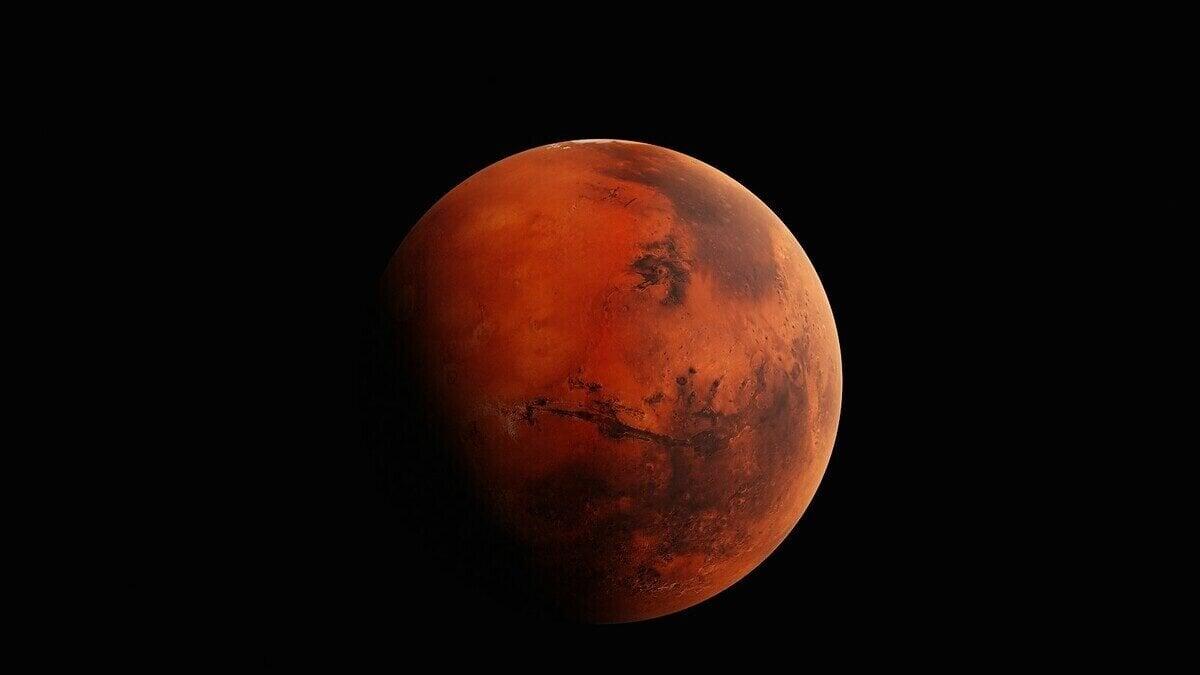
Researchers identified 29 steep-fronted deposits in impact craters near Mars’ Alba Mons volcano, features they suspect conceal ancient glaciers beneath rock and dust. Scientists discovered strange glaciers in images of the northern Martian region, though the deposits’ icy nature remains an interpretation rather than a confirmed finding.
The possible glaciers have towering edges. Some slopes extend as far as 3 kilometers and end in cliffs up to 209 meters high.
Satellite images revealed unusual crater deposits
An international research team examined 738 craters using images from NASA’s Mars Reconnaissance Orbiter and the European Space Agency’s ExoMars Trace Gas Orbiter. Pairs of satellite images helped the researchers build 3D maps of the terrain.
The team then used computer modeling to assess how the formations may have developed and compared them with similar features in Iceland. The deposits face toward the poles and sit inside relatively fresh, kilometer-scale impact craters in the Alba Mons region.
Researchers described them as a previously undocumented type of glacial landform on Mars. “This morphology has not been previously described for Martian debris-covered glaciers, but resembles the steep termini of some debris-covered or rock glaciers on Earth,” the researchers wrote.
Rock and dust may shield the ice
The deposits appear to be covered by rocks, dust and other debris. That layer may protect ice from Mars’ thin, cold atmosphere, which does not allow liquid water to persist on the surface.
The researchers said the formations may have developed during a colder period on Mars and survived because of the slopes’ orientation and local terrain. Their analysis combined glacier-flow and climate models to interpret how the deposits formed and were preserved.
“We report the occurrence of lobate, pole-facing, steep-fronted ice-rich deposits within kilometer-scale fresh impact craters in the Alba Mons region, representing a previously undescribed glacial landform on Mars,” the researchers wrote.
Findings could guide future study
Locating buried ice and understanding how deeply debris covers it could help researchers assess possible water reserves for future missions. The study also suggests the deposits may preserve clues to past Martian climate and changes in the planet’s temperature patterns.
Some crater cliffs show signs that rocks fell from the rim, moved down the slope and gathered at its base. Further work could include collecting more detailed images, searching for similar formations elsewhere on Mars and examining comparable features in Iceland.
The research was published in Earth and Planetary Science Letters.
 Take the quizWhat Kind of Holiday Spender Are You? Take the Black Friday QuizStart →
- 1U.S. Emergency Alert Test Nov. 17 Is Not a Power Outage

- 2DUP Chairman Lord Morrow Loses Wife and Daughter Within Hours in NI

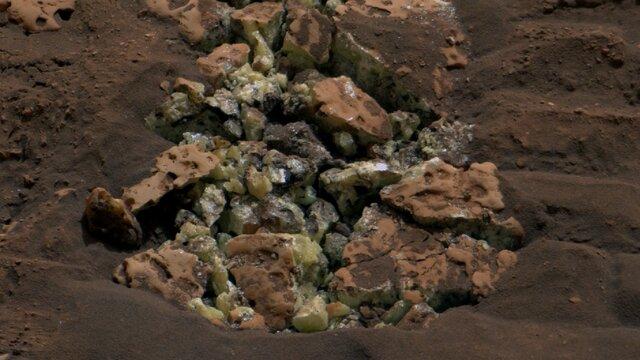
- 3NASA’s Curiosity Rover Burst Open a Rock and Found Pure Sulfur
- 4Women With Autoimmune Diseases Wait About 4 Years for Diagnosis, Study Finds

- 5Stock Market Today: Dow Futures Slip as Nasdaq Futures Climb Before Earnings

 Lifestyle7 Signs Your Social Battery Is Running Low (and Why You Keep Cancelling Plans)
 Lifestyle · Food & HealthThanksgiving Food Safety: How Long Leftovers Last and the Safe Turkey Temperature
 Lifestyle7 Quiet Habits of Emotionally Intelligent People, According to Psychologists
 LifestylePeople Who Don’t Like Celebrating Their Birthday Often Share These 7 Traits