Bank of England Eyes Rapid Interest Rate Rise as Inflation Nears 5%
The Bank of England could lift interest rates from 4% to 4.25% on December 17 after forecasting inflation of 5% next spring. Chief economist Huw Pill says more than one rise is almost certain. Households, businesses and public budgets would all feel the cost.
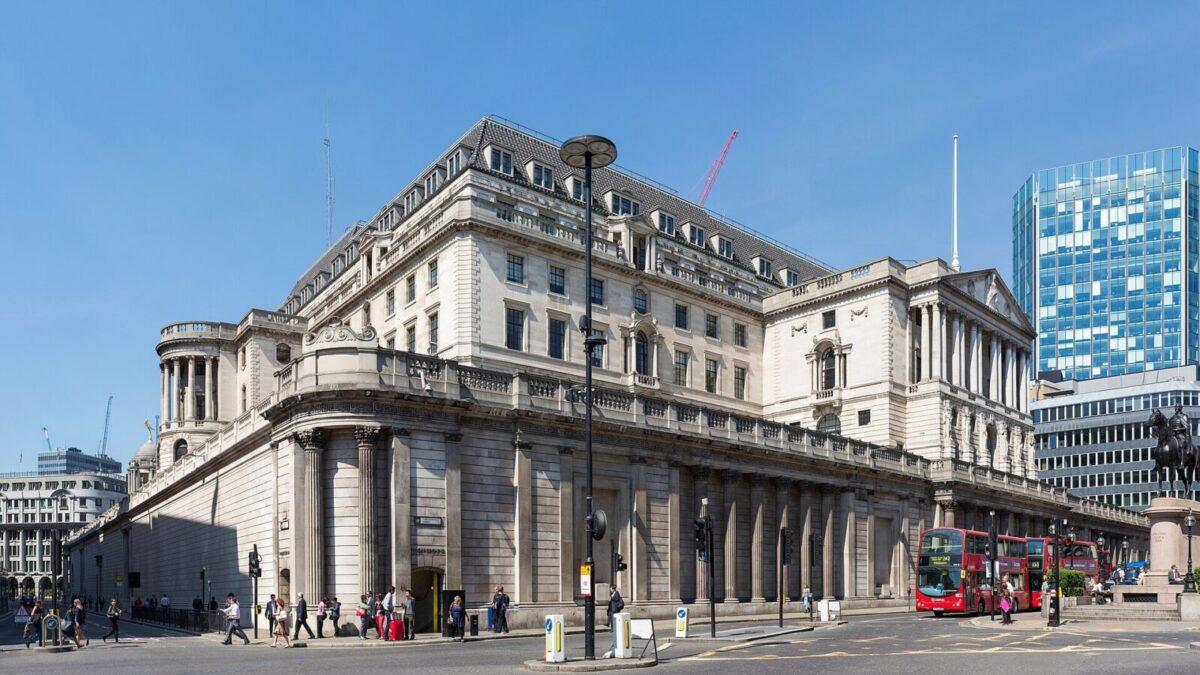
The Bank of England could raise interest rates from 4% to 4.25% at its meeting on December 17, 2026, after its latest forecasts showed inflation climbing to 5% next spring. A rapid interest rate rise now looks hard to avoid, according to a growing number of analysts.
Huw Pill, the Bank's chief economist, has said more than one rate rise is almost certain. The 5% forecast is more than double the Bank's 2% inflation target.
What a rise would cost borrowers
An increase to 4.25% would push up mortgage deals and make business loans more expensive. Borrowers would feel it as the festive season gets under way.
The Bank expects firms to respond to higher costs by raising prices for customers. Yet evidence that households can absorb that is thin. Only households in the top half of the income scale have spent more this year, and they have done so by running down savings.
The Bank also says its business surveys have not detected companies trying to push prices up. A majority of its policymakers are convinced the pressure is building anyway.
The public sector as weak link
One buyer could still help suppliers lift prices: government. State spending on goods and services makes up 25% of overall consumption in the economy. The NHS, local councils and bodies such as Homes England and National Highways are big purchasers.
Suppliers of everything from concrete and medical supplies to food and furniture could justify higher prices, the analysis argues. Likely explanations include transport costs linked to the war in the Middle East, climate change, new worker protection rules and the cost of skilled staff.
After 15 years of austerity and job cuts, there is a question over whether the public sector can push back. Budgets on the HS2 high-speed rail line between London and Birmingham have spiralled out of control.
The 14.5-mile lower Thames crossing, linking Essex and Kent via two tunnels, has seen its cost more than double to £11bn. Government spending on consultants reached £3.7bn in 2024-25, up from £2.9bn in 2022-23.
The analysis warns that raising borrowing costs too far risks laying waste to whatever growth the economy has. The UK has grown over the past year, defying most forecasters, but the Bank's view is that this burst must be calmed with higher rates or inflation will take off.
The Bank's policymakers next meet on December 17.
 Take the quizWhat Kind of Holiday Spender Are You? Take the Black Friday QuizStart →
- 1Column: 4 Reasons to Eat Dark Chocolate, Dietitians Say

- 2Mavericks Surfers Race to California for Waves Near 50 Feet

- 3Chrissie Swan, 52, Tears Up Over Secret Surprise While Recovering

- 4Meghan Markle Plans US Return to See Mother After Father’s Arrest

- 5Aspyn Ovard Reveals Daughter Has Terminal Cancer on Mormon Wives

 Lifestyle · Food & HealthThanksgiving Food Safety: How Long Leftovers Last and the Safe Turkey Temperature
 Lifestyle7 Quiet Habits of Emotionally Intelligent People, According to Psychologists
 LifestylePeople Who Don’t Like Celebrating Their Birthday Often Share These 7 Traits
 Lifestyle · Food & HealthVitamin D in Winter: Do You Need a Supplement, and How Much?