Hong Kong Hospital Apologizes After Surgeon Removes Both Ovaries by Mistake
A Hong Kong private hospital apologized after a surgeon removed both ovaries from a 45-year-old patient during an operation intended to remove her uterus and fallopian tubes. The hospital said the doctor experienced a temporary loss of focus, and it plans disciplinary action.
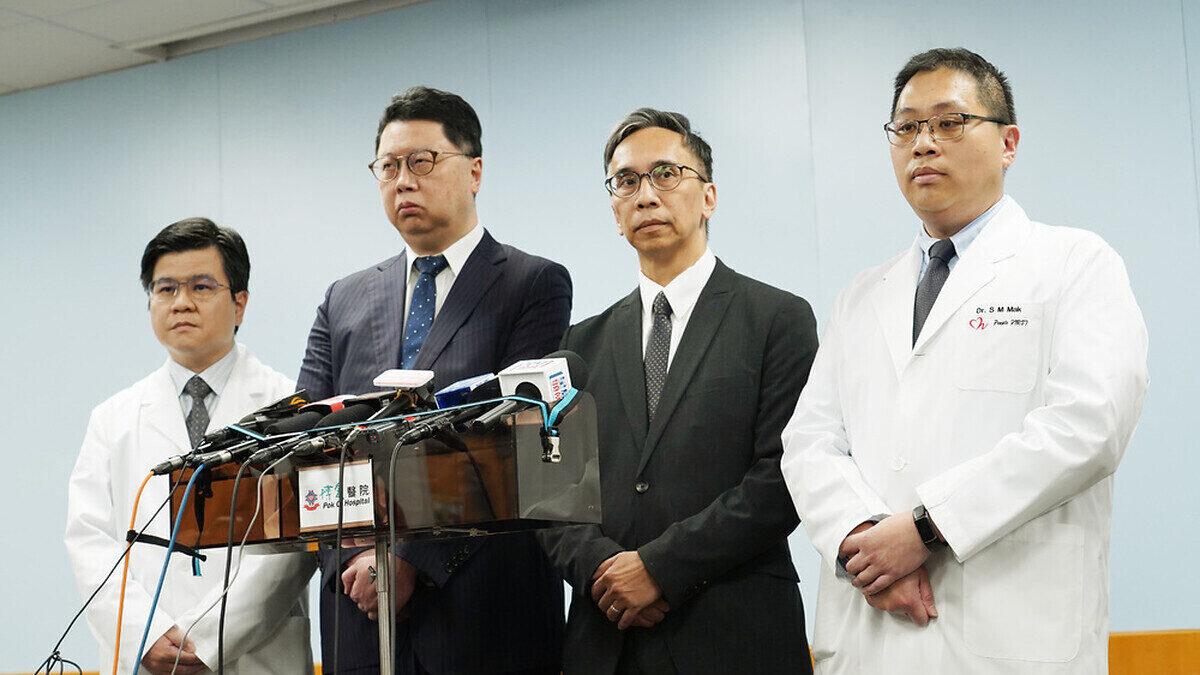
Hong Kong’s Chinese University of Hong Kong Medical Centre apologized on November 18 after a surgeon mistakenly removed both ovaries from a 45-year-old patient during an operation intended to remove her uterus and fallopian tubes.
The hospital described the error as a “cognitive lapse” and said it would take disciplinary action against the surgeon, whose identity has not been publicly released. The incident, known as the hong kong accidental ovary removal case, was disclosed by the Department of Health in its monthly list of sentinel events at private hospitals.
A nurse discovered the mistake while checking the removed tissue and immediately told the doctor that both ovaries were present, contrary to the surgical plan.
The patient’s consent form and treatment plan had explicitly said the ovaries should be preserved. The hospital said the surgeon had been focused on immediate clinical steps and temporarily lost awareness of the broader situation.
“The doctor has acknowledged this cognitive lapse, and offered a heartfelt apology and explanation to the patient and her family,” the hospital said.
The Department of Health said the patient was in stable condition after the September incident. It received a report from a private hospital on September 13.
The department said it found no evidence that the hospital breached requirements on premises, staffing or equipment in a way that led to the incident. The hospital said it had reported the case as required and would provide medical follow-up and support to the patient.
Dr. Yu Kai-man, a specialist in obstetrics and gynecology, said surgeons would not normally confuse an ovary with a fallopian tube because the organs differ in shape, color and position. Adhesions—scar-like tissue that makes organs stick together—can make them harder to distinguish during surgery, he said.
Yu said removing both ovaries can cause a sudden drop in hormone levels and more severe menopausal symptoms. He said hormone replacement therapy may help, but requires careful assessment because it could slightly increase the risks of breast cancer and cardiovascular disease.
The hospital said it had completed a comprehensive review and would introduce follow-up and improvement measures based on its findings.
 Take the quizWhat Kind of Holiday Spender Are You? Take the Black Friday QuizStart →
- 1U.S. Emergency Alert Test Nov. 17 Is Not a Power Outage

- 2DUP Chairman Lord Morrow Loses Wife and Daughter Within Hours in NI

- 3NASA’s Curiosity Rover Burst Open a Rock and Found Pure Sulfur

- 4Women With Autoimmune Diseases Wait About 4 Years for Diagnosis, Study Finds

- 5Stock Market Today: Dow Futures Slip as Nasdaq Futures Climb Before Earnings

 Lifestyle · Food & Health4 Reasons to Eat Oatmeal, According to Nutrition Experts
 Lifestyle7 Signs Your Social Battery Is Running Low (and Why You Keep Cancelling Plans)
 Lifestyle · Food & HealthThanksgiving Food Safety: How Long Leftovers Last and the Safe Turkey Temperature
 Lifestyle7 Quiet Habits of Emotionally Intelligent People, According to Psychologists