Voy Ads Banned Over Claims Linking Symptoms to Low Testosterone
The UK’s Advertising Standards Authority banned five Voy adverts after finding that they overstated links between low testosterone and common symptoms such as low energy and changes in mood. Voy said its wording was conditional and did not claim the symptoms were definitively caused by the condition.
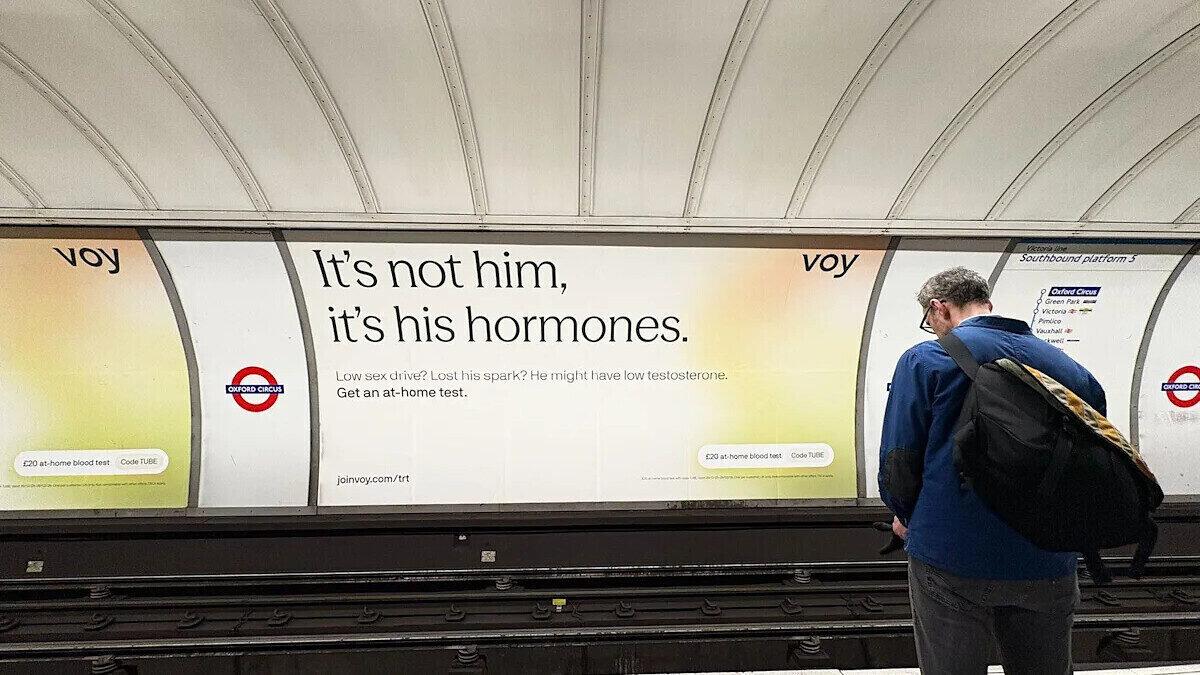
The UK’s Advertising Standards Authority banned five Voy adverts on Wednesday after ruling that claims linking low testosterone to common symptoms overstated the evidence, including ads promoting the voy at-home test kit.
The adverts included three posters and two paid Facebook ads. They linked low energy, reduced sex drive, loss of motivation and mood changes to low testosterone, although such symptoms can have many possible causes, the regulator said.
Regulator challenges symptom claims
Voy, an online health platform, created the adverts. The Advertising Standards Authority said some symptoms may be more closely associated with low testosterone than others, but the ads presented less-specific signs too strongly.
“While some symptoms may be more closely associated with the condition, others were much less specific and shouldn't have been presented as strong indicators of low testosterone in isolation,” the authority said.
One Facebook advert claimed low testosterone affects one in four men over 30. The regulator called that claim “misleading and not supported by the evidence Voy provided.” Voy disputed the finding.
The authority said it had banned the adverts and instructed Voy to ensure future campaigns do not mislead people about low-testosterone symptoms or how common the condition is. It opened the investigation after receiving multiple public complaints.
Voy says wording was conditional
Voy said the adverts’ language was “deliberately conditional.” The company argued that it “did not state or imply that the advertised symptoms were definitively caused by low testosterone.”
Catherine Drewett, investigations manager at the Advertising Standards Authority, said people should be able to trust health claims in advertising. She said the ruling clarified the standards for businesses promoting health tests and services, including the need for strong evidence.
The authority’s action comes amid a broader review of advertising aimed at men concerned about their health. It said recent data showed more than 1,900 adverts related to men’s hormonal health and performance.
The regulator identified a recurring theme of advertisers “playing on insecurities surrounding libido, erectile problems, testosterone and ageing.” Some ads tied those concerns to masculinity, confidence and relationships while promoting products as solutions.
In August, the authority ruled against BioID Health over two Facebook adverts promoting hormone therapy and low-testosterone testing. It also banned an advert by Numan Digital Healthcare that falsely claimed “40 per cent of men with obesity have low testosterone.”
Advertising for low-testosterone tests and services is permitted, the authority said, but advertisers must not “exploit health concerns or play on insecurities to sell products and services.”
 Take the quizWhat Kind of Holiday Spender Are You? Take the Black Friday QuizStart →
- 1U.S. Emergency Alert Test Nov. 17 Is Not a Power Outage

- 2DUP Chairman Lord Morrow Loses Wife and Daughter Within Hours in NI

- 3NASA’s Curiosity Rover Burst Open a Rock and Found Pure Sulfur

- 4Women With Autoimmune Diseases Wait About 4 Years for Diagnosis, Study Finds

- 5Stock Market Today: Dow Futures Slip as Nasdaq Futures Climb Before Earnings
 Lifestyle · Food & Health4 Reasons to Eat Oatmeal, According to Nutrition Experts
 Lifestyle7 Signs Your Social Battery Is Running Low (and Why You Keep Cancelling Plans)
 Lifestyle · Food & HealthThanksgiving Food Safety: How Long Leftovers Last and the Safe Turkey Temperature
 Lifestyle7 Quiet Habits of Emotionally Intelligent People, According to Psychologists