Dental Compound K21 Boosts Immune Cells’ Bacterial Defense in Lab
K21, a compound used in a dental cleanser, helped human immune cells control bacteria in laboratory tests, researchers said. The study may guide research into stubborn wounds, but it did not test wound healing in people, and K21 is not cleared for wound treatment.
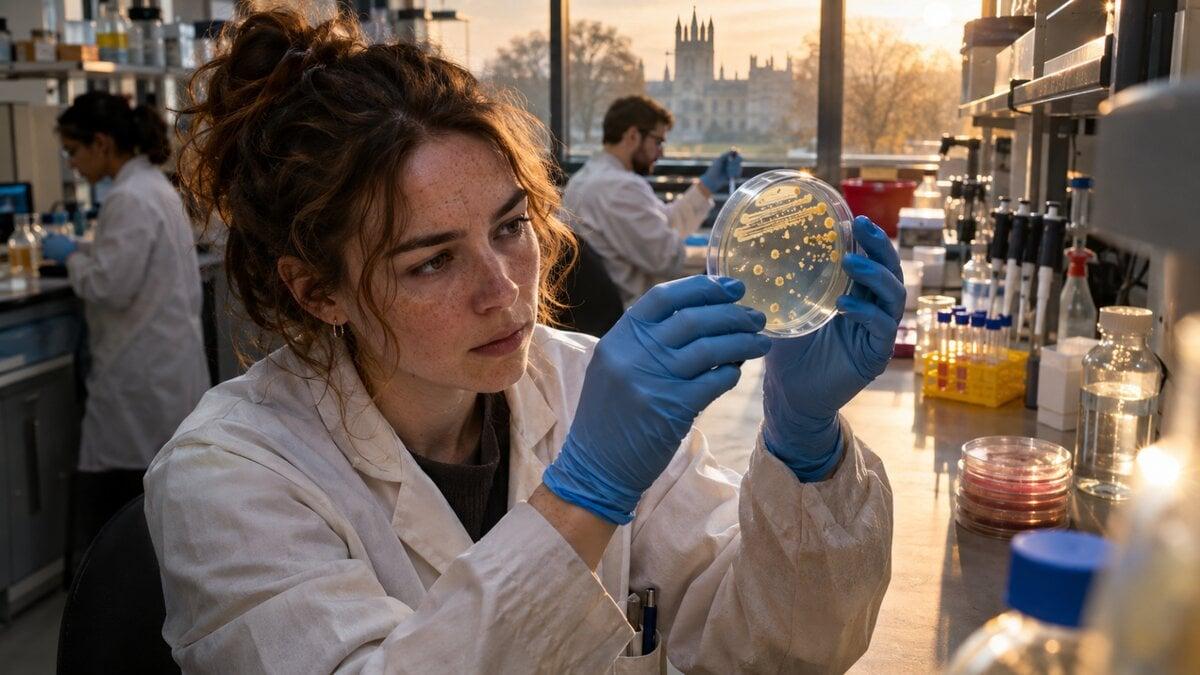
Researchers co-led by Rutgers scientist Christopher Rongo found that K21, a dental compound, helped human immune cells control bacteria in laboratory tests, offering clues to how it might aid stubborn wounds.
K21 is used in a cavity cleanser cleared by the U.S. Food and Drug Administration in 2020 to reduce bacteria before dental restorations. The study did not test wound healing in people, and the cleanser is not cleared to treat wounds.
The researchers treated immune cells from human blood donors with K21, washed the compound away and then exposed the cells to Enterococcus faecalis, a bacterium that can survive inside immune cells called macrophages.
Fewer bacteria were recovered from the treated cells and grew into colonies. The effect was especially clear in a type of macrophage usually associated with tissue repair.
“We could challenge the macrophages with K21, give them a pre-treatment, then give them bacteria, and they're much more robust at killing and clearing that bacteria,” Rongo said.
Because the researchers removed K21 before introducing the bacteria, the results suggest the compound changed the cells’ ability to fight infection.
The team also examined gene activity and studied mitochondria, structures inside cells that help supply energy and signal damage and infection. In human cells and a tiny worm, K21 stimulated the breakdown and recycling of old or damaged mitochondria, a process called mitophagy.
In the worms, treatment increased mitochondrial recycling without measurable reductions in growth or fertility. The animals also lived 36% longer after a single treatment during early development, Rongo said, but he cautioned that the finding does not show K21 would extend human life.
The research grew from observations in dental care. Dentists working with FiteBac, the company that makes K21, noticed that tissue seemed to heal faster after some procedures, Rongo said. Those observations led to studies of wound healing in animals.
Earlier studies in mice and rabbits found that K21 sped wound healing. The new research may help explain those results, but whether the compound can help immune cells shift from fighting infection to tissue repair remains unknown.
“Nonhealing wounds are a major complication for diabetic patients, often leading to amputations, so there is a major need for novel treatments that can heal them,” Rongo said.
Further research must determine whether K21 can safely help patients’ wounds heal and how it compares with existing treatments. Rongo’s laboratory is also investigating how the compound triggers mitochondrial recycling.
 Take the quizWhat Kind of Holiday Spender Are You? Take the Black Friday QuizStart →
- 1U.S. Emergency Alert Test Nov. 17 Is Not a Power Outage

- 2DUP Chairman Lord Morrow Loses Wife and Daughter Within Hours in NI

- 3NASA’s Curiosity Rover Burst Open a Rock and Found Pure Sulfur
- 4Women With Autoimmune Diseases Wait About 4 Years for Diagnosis, Study Finds

- 5Stock Market Today: Dow Futures Slip as Nasdaq Futures Climb Before Earnings

 Lifestyle7 Signs Your Social Battery Is Running Low (and Why You Keep Cancelling Plans)
 Lifestyle · Food & HealthThanksgiving Food Safety: How Long Leftovers Last and the Safe Turkey Temperature
 Lifestyle7 Quiet Habits of Emotionally Intelligent People, According to Psychologists
 LifestylePeople Who Don’t Like Celebrating Their Birthday Often Share These 7 Traits