Spain Joins 20 Countries in Obesity Reduction Pledge
Spain and 20 other countries have committed to reducing national obesity prevalence by 5% by 2030 under a global initiative launched with the World Health Organization and UNICEF. The plan calls for prevention, earlier support for people at risk and access to care.
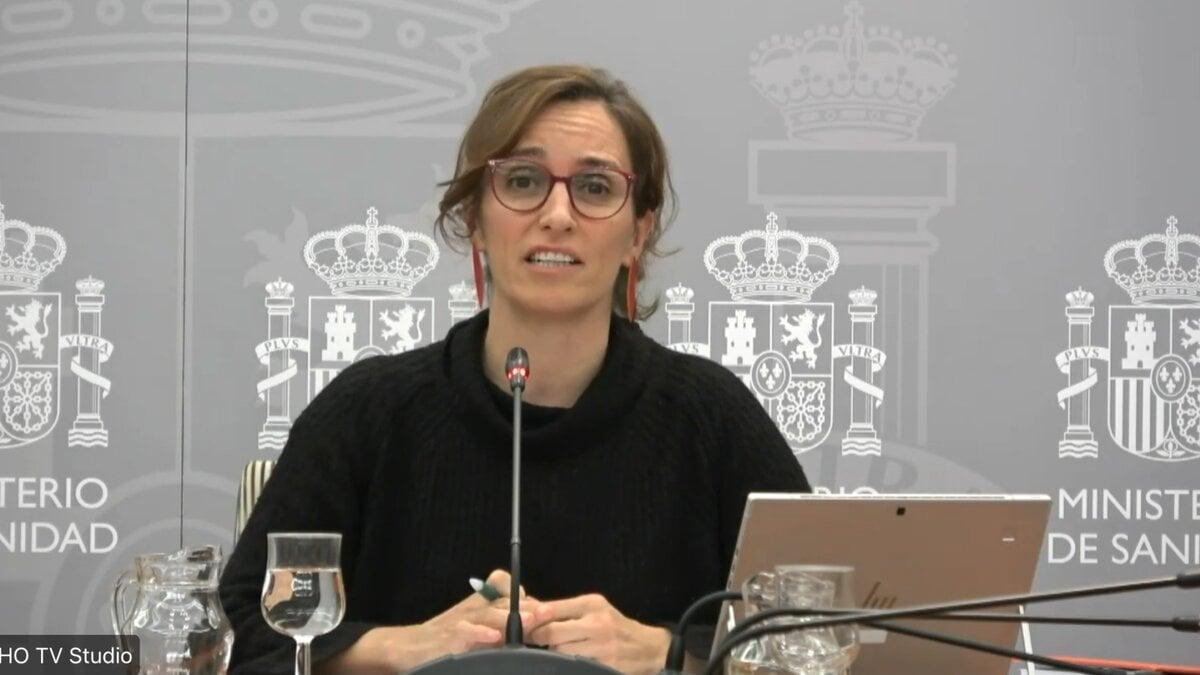
Spain and 20 other countries committed on Tuesday to reduce national obesity prevalence by 5% by 2030, joining a global call to action launched with the World Health Organization (WHO) and UNICEF.
The spain champions call action pledge sets out coordinated measures to prevent obesity, support people at higher risk earlier and improve access to care. More than 1 billion people worldwide live with obesity, WHO said.
The initiative calls for countries to make healthy choices easier across communities. Suggested measures include taxes on sugary drinks, clear nutrition labels, restrictions on marketing unhealthy food to children and healthier food in schools.
Spain has brought together 18 government ministers to implement its national plan to reduce childhood obesity, Health Minister Mónica García Gómez said. She described the policies as a matter for multiple areas of government.
“Children don’t live their lives in separate ministries, so we shouldn’t design our policies as if they did,” García Gómez said.
WHO Director-General Tedros Adhanom Ghebreyesus said the call asks governments to act with urgency. Its three-part approach covers prevention for the whole population, early action for people at higher risk and care for people living with obesity.
The WHO also urged measures such as support for breastfeeding and adequate complementary feeding, school environments that promote health, policies that make physical activity easier and stronger prevention and care in primary health services. Treatment may include medication where appropriate.
“We have the evidence, we have the tools, and we have the ability to make a real difference. So now let’s make it happen,” García Gómez said.
Obesity is a chronic, complex disease and a form of malnutrition that raises the risk of cardiovascular diseases, diabetes and some cancers, WHO said. Since 1990, prevalence has more than doubled among adults and quadrupled among adolescents.
In 2025, obesity became the most common form of malnutrition among children and adolescents aged 5–19 years, overtaking underweight, WHO said. The call also recognizes people living with obesity as partners in designing policies and services.
The other participating countries are Bahrain, Barbados, Botswana, Brazil, Brunei Darussalam, Egypt, Eswatini, Ireland, Jordan, Malaysia, Mauritius, Mexico, Panama, the Philippines, Portugal, Seychelles, Slovenia, South Africa, Thailand and Uruguay. They are part of WHO’s acceleration plan to stop obesity, adopted by the World Health Assembly in 2022.
“We have a clear and ambitious goal ahead of us: to reduce the prevalence of childhood obesity by 5% by 2030, in front-runner countries and beyond,” García Gómez said.
 Take the quizWhat Kind of Holiday Spender Are You? Take the Black Friday QuizStart →
- 1U.S. Emergency Alert Test Nov. 17 Is Not a Power Outage

- 2DUP Chairman Lord Morrow Loses Wife and Daughter Within Hours in NI

- 3NASA’s Curiosity Rover Burst Open a Rock and Found Pure Sulfur

- 4Women With Autoimmune Diseases Wait About 4 Years for Diagnosis, Study Finds

- 5Stock Market Today: Dow Futures Slip as Nasdaq Futures Climb Before Earnings

 Lifestyle · Food & Health4 Reasons to Eat Oatmeal, According to Nutrition Experts
 Lifestyle7 Signs Your Social Battery Is Running Low (and Why You Keep Cancelling Plans)
 Lifestyle · Food & HealthThanksgiving Food Safety: How Long Leftovers Last and the Safe Turkey Temperature
 Lifestyle7 Quiet Habits of Emotionally Intelligent People, According to Psychologists