Detangle comb produces near-total hair regrowth in mice
A comb-shaped device developed at Beihang University produced nearly complete hair coverage in mice with induced hair loss. The experimental treatment combines electrical stimulation with two genetic therapies. Researchers have not tested the device in humans, and further work is needed before clinical trials can begin.
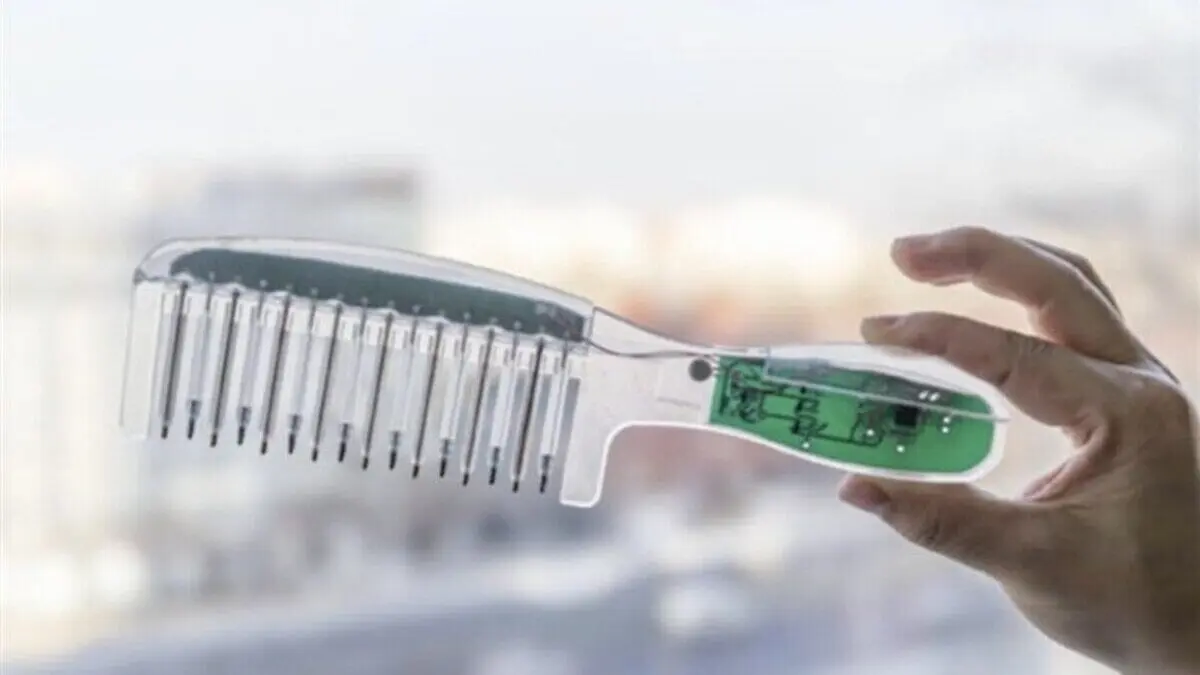
Beihang University researchers developed an electronic comb that produced nearly complete hair coverage in mice within one month, according to a study in Nature Communications.
The device has not been tested in humans. Researchers say it could potentially treat androgenetic alopecia, commonly known as male-pattern baldness, though its effectiveness in people remains unproven.
The full experimental treatment produced approximately 97.85% hair coverage in the treated area of mice with testosterone-induced hair loss. It combined electrical stimulation with two genetic therapies.
Electrical pulses aid drug delivery
Called Detangle, the prototype has electrodes embedded in comb teeth of alternating heights and modules that carry therapeutic molecules. The teeth generate a localized electric field around hair follicles.
The pulses stimulate follicles and temporarily increase cell-membrane permeability, helping therapeutic molecules enter cells. That process is called electroporation.
The study reported penetration up to roughly nine times deeper than conventional topical application.
One genetic therapy, a VEGFA plasmid, is designed to promote blood-vessel formation around follicles. The other, an SRD5A2 siRNA, targets an enzyme involved in androgen signaling, a pathway implicated in shrinking hair follicles.
Combination outperformed individual treatments
Researchers compared the combination with several other treatments in male mice. Untreated animals recovered about 1% hair coverage on the shaved experimental area after 28 days.
Electrical stimulation alone produced roughly 40% regrowth. Finasteride reached approximately 50%, while topical minoxidil achieved about 70%.
Stimulation combined with SRD5A2 siRNA brought regrowth to approximately 85%. Paired with the VEGFA plasmid, it reached about 90%.
The researchers wrote that the system improved the outcome “from ~70 per cent to nearly 100 per cent within one month compared to conventional topical minoxidil treatment.”
Minoxidil can slow hair loss and stimulate regrowth, but its effectiveness varies. Results can take up to a year, and users must continue treatment to maintain the benefits.
Finasteride is another treatment for early-stage baldness. Its potential side effects include erectile dysfunction and depression.
Mouse results cannot establish whether Detangle is safe or effective in humans. Mouse skin, hair-cycle timing and follicle biology differ from human tissue.
Further research is needed before human clinical trials can begin. Safety questions include skin irritation, immune responses and potential unintended changes in gene expression.
 Take the quizWhat Kind of Holiday Spender Are You? Take the Black Friday QuizStart →
- 1U.S. Emergency Alert Test Nov. 17 Is Not a Power Outage

- 2Michael Clarke Says Sandpapergate Scars Drew Steve Smith to New York

- 3Gold Silver Price November: Futures Rise Near Yearly Lows

- 4GTA 6 New Zealand Time Trick Is Not Guaranteed to Work

- 52027 NFL Mock Draft Puts Ohio State’s Jeremiah Smith at No. 1

 Lifestyle · Food & Health4 Reasons to Eat Oatmeal, According to Nutrition Experts
 Lifestyle7 Signs Your Social Battery Is Running Low (and Why You Keep Cancelling Plans)
 Lifestyle · Food & HealthThanksgiving Food Safety: How Long Leftovers Last and the Safe Turkey Temperature
 Lifestyle7 Quiet Habits of Emotionally Intelligent People, According to Psychologists