MIT Scientists Find Weaker Brain Cleaning Waves With Age
MIT researchers found that older adults had smaller waves of brain fluid during sleep than younger volunteers. A separate study found that brief bursts of pink noise increased fluid movement in younger adults, but researchers have not tested whether the sound has the same effect in older people.
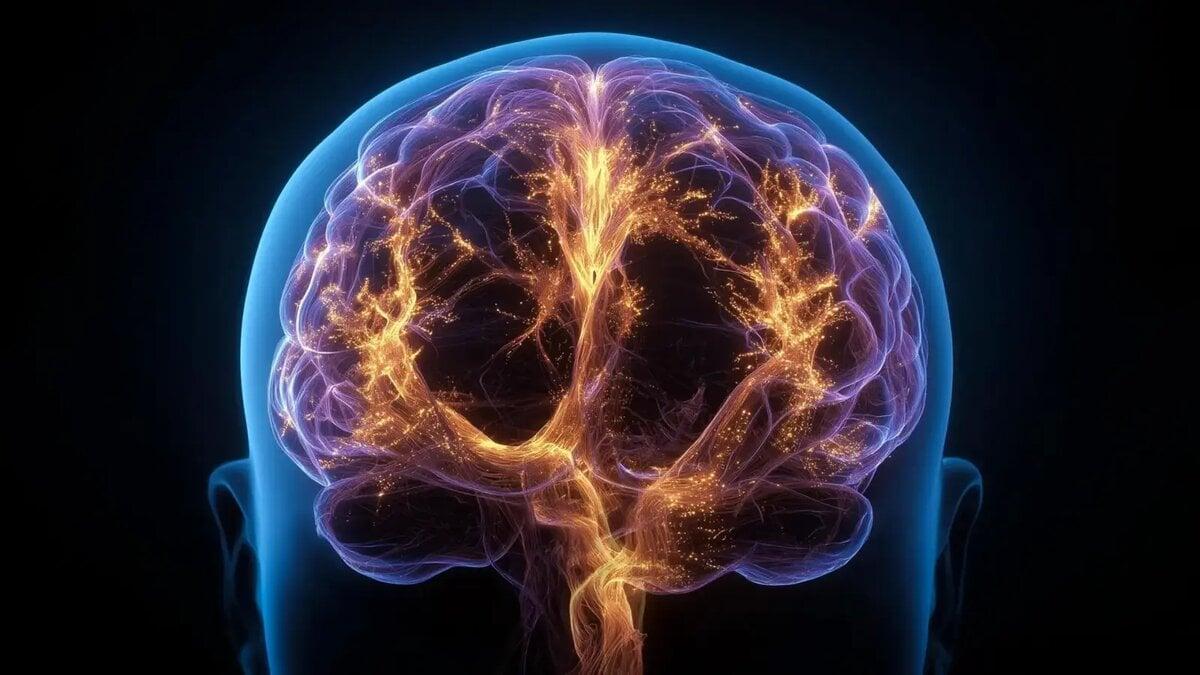
Massachusetts Institute of Technology scientists found that older adults had smaller waves of waste-carrying brain fluid during sleep than younger adults. The finding could help researchers investigate changes associated with dementia, although it does not establish a cause.
In a separate study, the team found that brief bursts of pink noise increased fluid movement in younger adults. Researchers have not tested whether the sound has the same effect in older people.
Pink noise contains a broad range of frequencies, with more emphasis on lower frequencies than white noise.
Fluid waves weakened with age
The aging study, published in Nature Aging, compared volunteers ages 18 to 39 with a group ages 60 to 84. Each completed a testing session lasting approximately two hours, starting late at night.
Researchers used brain scans to measure blood flow and fluid movement. They also recorded electrical activity, and many participants fell asleep inside the scanner.
In younger adults, slow electrical waves grew stronger during deep sleep and came with larger waves of cerebrospinal fluid. That fluid helps carry waste out of the brain.
Older adults had substantially smaller fluid waves on average. The difference could not be explained simply by older people spending less time asleep.
Some older volunteers, however, had fluid movement comparable to that of healthy younger adults.
“We are really interested in what's different in those people and how that might be related to future health outcomes,” said senior author Laura Lewis, an associate professor at MIT.
Blood flow and dementia questions
The team also tested participants while they were awake. Researchers showed them a flickering checkerboard and measured how blood flow responded to increased activity in the brain's visual regions.
In many older participants, electrical activity rose as expected, but blood flow increased much less. Older volunteers also showed a weaker blood flow response when asked to hold their breath.
A statistical model suggested those changes accounted for much of the decline in fluid movement, though not all of it.
None of the volunteers had been diagnosed with a neurodegenerative disorder. Some older participants showed brain tissue loss, which was associated with greater reductions in fluid movement.
That association does not establish that weaker fluid flow causes tissue loss or dementia. Researchers hope to follow some participants over time to investigate whether reduced fluid movement is linked to a greater likelihood of developing a neurodegenerative condition.
 Take the quizWhat Kind of Holiday Spender Are You? Take the Black Friday QuizStart →
- 1U.S. Emergency Alert Test Nov. 17 Is Not a Power Outage

- 2Michael Clarke Says Sandpapergate Scars Drew Steve Smith to New York

- 3Gold Silver Price November: Futures Rise Near Yearly Lows

- 4GTA 6 New Zealand Time Trick Is Not Guaranteed to Work

- 52027 NFL Mock Draft Puts Ohio State’s Jeremiah Smith at No. 1

 Lifestyle · Food & Health4 Reasons to Eat Oatmeal, According to Nutrition Experts
 Lifestyle7 Signs Your Social Battery Is Running Low (and Why You Keep Cancelling Plans)
 Lifestyle · Food & HealthThanksgiving Food Safety: How Long Leftovers Last and the Safe Turkey Temperature
 Lifestyle7 Quiet Habits of Emotionally Intelligent People, According to Psychologists