E. coli Toxin Is a Leading Suspect in Early Bowel Cancer
A toxin produced by some E. coli bacteria is a leading possible explanation for rising bowel cancer diagnoses among younger adults, an Oxford researcher told UK lawmakers. Scientists are investigating whether early-life exposure causes the disease, as known risk factors explain only about half of cases.
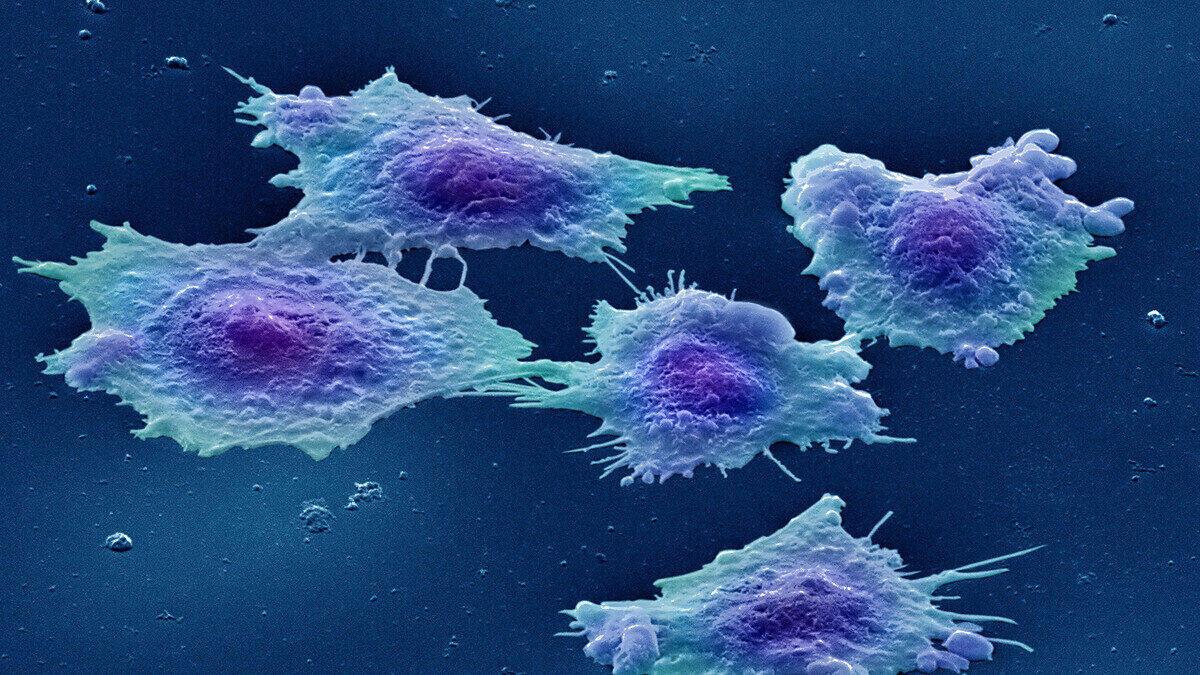
University of Oxford researcher Dr. Karl Smith-Byrne told UK lawmakers that a bacterial toxin produced by some E. coli strains is a leading possible explanation for rising bowel cancer cases in younger adults. Researchers have not established whether the toxin causes the disease.
Cases of early-onset bowel cancer have doubled in many countries over the past two decades. The disease remains far more common in people over 50, though diagnoses are rising among younger people worldwide.
Smith-Byrne, a senior molecular epidemiologist, told the Commons science and technology committee that known risk factors explain only about half of diagnosed colorectal cancer cases. Those factors include obesity, smoking and alcohol.
He said it was not “plausible” that known risks alone could explain the increase in early-onset cases.
Mutations found more often in younger patients
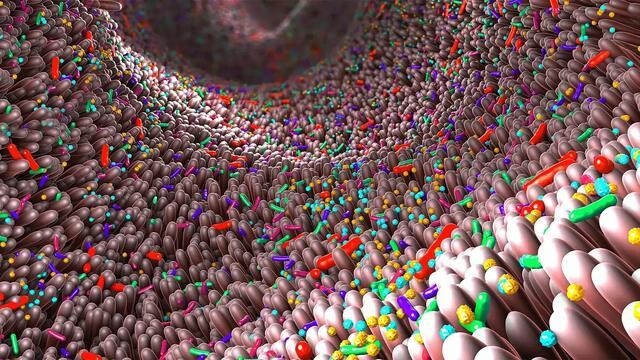
Scientists identified the toxin, called colibactin, as a potential driver of early-onset colorectal cancer. Some variants of E. coli bacteria in the gut produce it.
Mutations characteristic of exposure to the toxin were three times more common in tumors from people under 40 than in those from people over 70. Researchers are investigating whether colibactin drives bowel cancer.
“That’s probably the leading explanation at the moment,” Smith-Byrne told lawmakers. He is a survivor of early-onset rectal cancer.
Prof. Mike Stratton at the Sanger Institute, who did not attend the hearing, has said colibactin causes mutations in some children but not others. His work found evidence of mutations as early as infancy.
By age 10, affected children can have a similar number of mutations to a 50-year-old, Stratton’s work showed.
Researchers examine early-life exposure
Prof. Helen Coleman, a cancer epidemiologist at Queen’s University Belfast, called colibactin “the first new clue that we’ve had in quite some time.” She said its possible role in bowel cancer was still under investigation.
Exposure could occur in very early childhood or even before birth, Coleman told lawmakers. That makes the question difficult to study, she said.
Some researchers suspect that certain E. coli variants that normally live harmlessly in the gut evolved to produce colibactin. Prof. Elio Riboli, a cancer epidemiologist at Imperial College London, raised that possibility at the hearing.
Bowel cancer is the world’s third most common cancer and accounts for about one in 10 cancer cases.
Riboli said researchers needed to identify unknown causes while people reduce risks that are already clear. Drinking and smoking are falling in the UK and US, while obesity is rising and physical activity is declining.
“The quick win could come from applying what we know,” Riboli said.
 Take the quizWhat Kind of Holiday Spender Are You? Take the Black Friday QuizStart →
- 1U.S. Emergency Alert Test Nov. 17 Is Not a Power Outage

- 2Michael Clarke Says Sandpapergate Scars Drew Steve Smith to New York

- 3Gold Silver Price November: Futures Rise Near Yearly Lows

- 4GTA 6 New Zealand Time Trick Is Not Guaranteed to Work

- 52027 NFL Mock Draft Puts Ohio State’s Jeremiah Smith at No. 1

 Lifestyle · Food & Health4 Reasons to Eat Oatmeal, According to Nutrition Experts
 Lifestyle7 Signs Your Social Battery Is Running Low (and Why You Keep Cancelling Plans)
 Lifestyle · Food & HealthThanksgiving Food Safety: How Long Leftovers Last and the Safe Turkey Temperature
 Lifestyle7 Quiet Habits of Emotionally Intelligent People, According to Psychologists