Bristol Trial Finds No Clear Advantage in Dialysis Preparation
A UK trial involving 445 older people with kidney failure found no clear advantage to preparing for dialysis over conservative care. Researchers said both options deserve consideration, although the results do not apply to people already receiving dialysis or to younger, fitter patients.
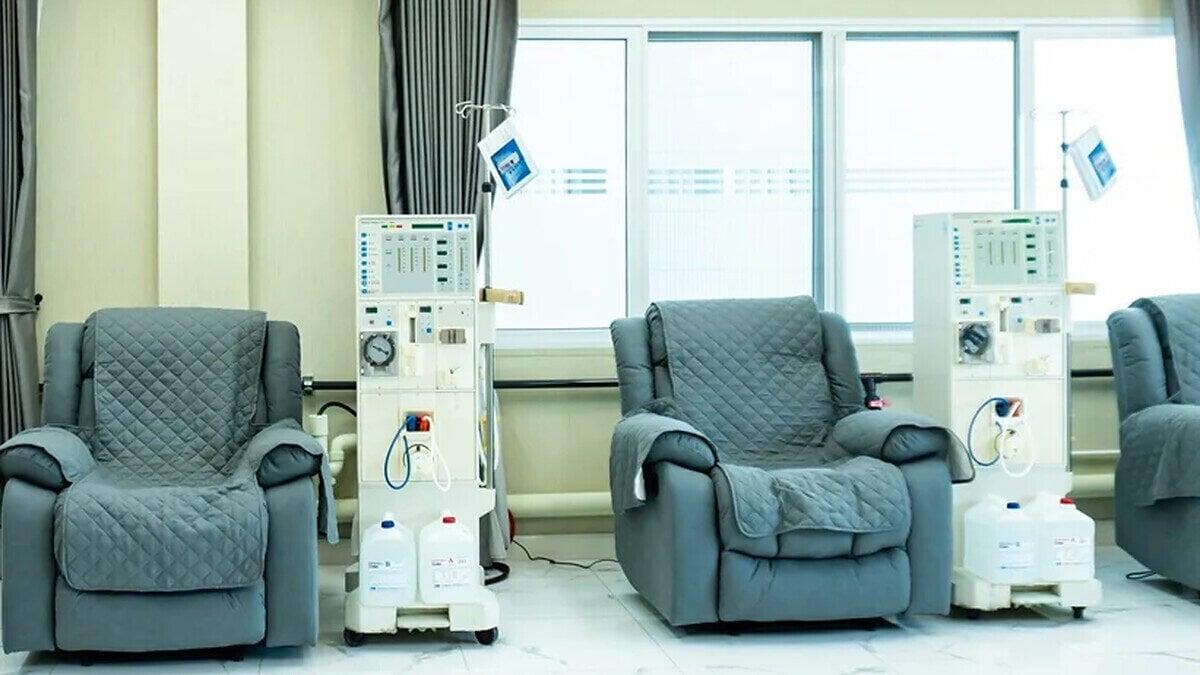
Researchers at the University of Bristol and Bristol NHS Foundation Trust found no clear advantage to preparing older people with kidney failure for dialysis in a UK trial. The findings could inform treatment decisions for patients elsewhere, project lead Fergus Caskey said.
The trial compared dialysis preparation with conservative kidney care. Neither approach showed a clear advantage when survival and quality of life were assessed together.
Dialysis preparation did not always lead to treatment. Only 28% of participants assigned to that approach went on to start dialysis.
Trial compared two care plans
The Prepare for Kidney Care trial recruited 445 people from 31 kidney centers across the UK. Around three quarters were aged 80 or over.
People aged 65 to 79 could participate if they had frailty or multiple other long-term conditions. Researchers randomly assigned participants to prepare for dialysis or for responsive management, a form of conservative kidney care.
Responsive management focuses on treating symptoms and preserving quality of life as kidney disease progresses. Participants could change their plans, including choosing dialysis after initially starting on the conservative care pathway.
After an average follow-up of 4.5 years, researchers found no statistically significant difference in a measure combining survival and health-related quality of life. The average was 1.35 years in the conservative care group and 1.47 years in the dialysis preparation group.
Hospital admission rates were similar. Participants in both groups were more likely to die from other causes than need dialysis.
Researchers urge shared decisions
The findings are most relevant before dialysis starts, because the trial examined outcomes after patients began planning for either approach. They do not apply to people already receiving dialysis or to younger, fitter patients.
For younger, fitter patients, dialysis and transplantation should remain standard care, the researchers said.
In-hospital hemodialysis can involve three visits a week, each lasting around four hours. Travel and the risk of complications can add to that commitment for people managing other health problems.
Researchers recommend that older patients and their families discuss both options with their kidney teams. Decisions may depend on managing symptoms at home or on the effect of hospital visits on independence and daily routines.
Plans can be revisited if patients’ health or preferences change.
Caskey, professor of renal medicine at Bristol Medical School and a consultant nephrologist at Bristol NHS Foundation Trust, said both options have pros and cons. “Neither should be the default,” he said.
Fiona Loud, policy director at Kidney Care UK, said people facing the decision need information, advice and support. “These helpful findings should be studied with care and our NHS should be able to provide that care wherever a person lives,” she said.
 Take the quizWhat Kind of Holiday Spender Are You? Take the Black Friday QuizStart →
- 1U.S. Emergency Alert Test Nov. 17 Is Not a Power Outage

- 2Michael Clarke Says Sandpapergate Scars Drew Steve Smith to New York

- 3Gold Silver Price November: Futures Rise Near Yearly Lows

- 4GTA 6 New Zealand Time Trick Is Not Guaranteed to Work

- 52027 NFL Mock Draft Puts Ohio State’s Jeremiah Smith at No. 1

 Lifestyle · Food & Health4 Reasons to Eat Oatmeal, According to Nutrition Experts
 Lifestyle7 Signs Your Social Battery Is Running Low (and Why You Keep Cancelling Plans)
 Lifestyle · Food & HealthThanksgiving Food Safety: How Long Leftovers Last and the Safe Turkey Temperature
 Lifestyle7 Quiet Habits of Emotionally Intelligent People, According to Psychologists