Human organ discoveries face disputes over what is new
Structures found behind the nose in 2021 have prompted debate over whether they are new salivary glands. Anatomists also disagree about how the brain clears waste and whether a structure in the human nose has any function.
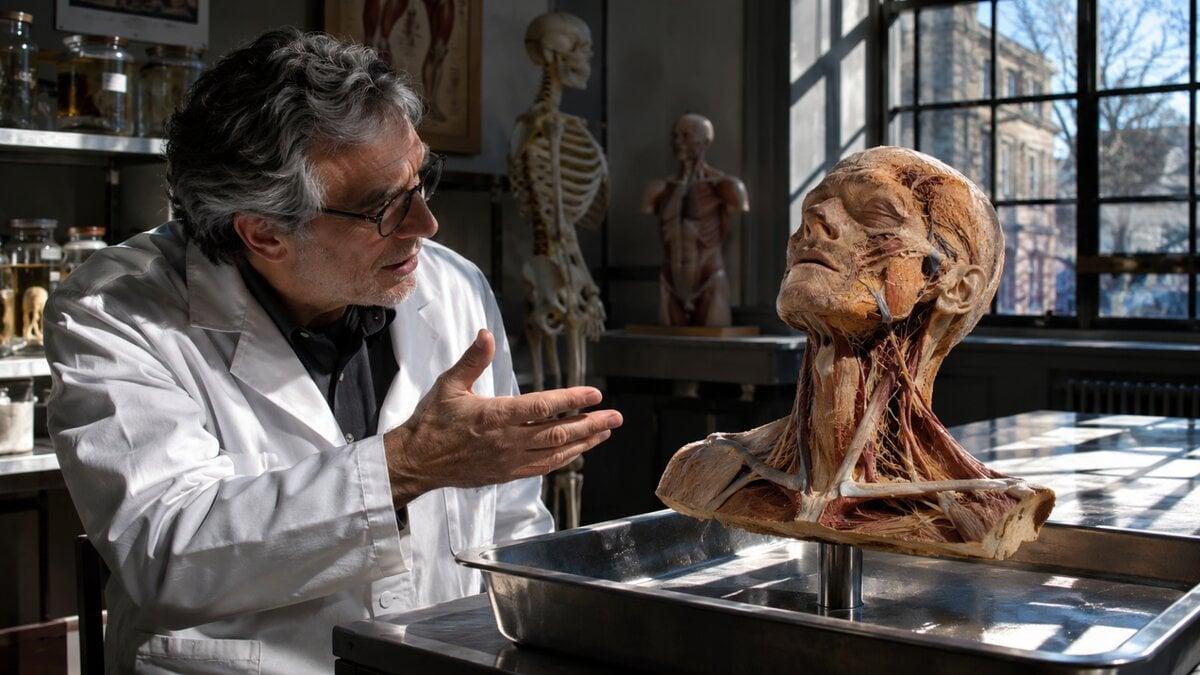
Researchers identified structures behind the human nose through imaging in 2021, prompting a debate over whether they were new organs. The disagreement matters for how doctors understand anatomy and plan treatment for head and neck cancers.
The structures are not the only disputed finding. Anatomists also disagree over how the brain clears waste and what role a structure inside the human nose plays.
Salivary gland finding draws criticism
The structures behind the nose are 4cm-long and were named the tubarial glands. Researchers proposed that they were a fourth pair of major salivary glands.
Critics argued that the structures were already known as examples of minor salivary glands. Those glands are scattered through the lining of the mouth, tongue and throat.
The distinction concerns what the glands contribute to saliva. The three major salivary glands provide digestive enzymes, while minor glands provide lubricating and moistening mucus.
Radiation therapy for head and neck cancers can damage the glands, causing dry mouth and difficulty swallowing. The structures are therefore a consideration when doctors plan treatment.
Brain waste pathways remain disputed
Nerve cells produce waste that must be removed to keep the brain healthy. Cerebrospinal fluid, the specialized fluid surrounding the central nervous system, carries that waste away.
For more than a century, anatomists believed small structures called arachnoid granulations transferred waste into blood leaving the brain. Scientists still disagree over whether everyone has them.
Researchers have also proposed that much of the waste drains along pathways associated with lymphatic vessels in membranes surrounding the brain. The proposed network is often called the glymphatic system.
It has drawn attention because it may help explain the buildup of amyloid beta proteins in the brains of people with Alzheimer’s disease. Not all scientists agree that the system exists.
Scientists also dispute whether the lymphatic vessels are present and whether a membrane central to the proposed system exists or has been mistaken for another structure.
Nasal organ’s function is unclear
The vomeronasal organ, also called Jacobson’s organ, lies inside the nasal cavity. In many animals, it helps detect pheromones and triggers instincts associated with mating, defending territory and recognizing kin.
In humans, the structure has no sensory nerve cells or nerve connections to the brain. It is widely regarded as a feature inherited from ancestors that has lost its original main function.
Anatomical variation can complicate such research: a structure found by one group may not appear in donors studied by another. Chemical preservation can also alter how tissue looks.
Obtaining enough fresh human tissue can be expensive and requires donor consent and ethics committee approval. Body donors also tend to be elderly, and changes in their tissues can affect the material being analyzed.
 Take the quizWhat Kind of Holiday Spender Are You? Take the Black Friday QuizStart →
- 1Gold Silver Price November: Futures Rise Near Yearly Lows

- 2U.S. Emergency Alert Test Nov. 17 Is Not a Power Outage

- 3Michael Clarke Says Sandpapergate Scars Drew Steve Smith to New York

- 42027 NFL Mock Draft Puts Ohio State’s Jeremiah Smith at No. 1

- 5Smith Urged Khawaja Not to Speak About Ball-Tampering Scandal

 Lifestyle · Food & Health4 Reasons to Eat Oatmeal, According to Nutrition Experts
 Lifestyle7 Signs Your Social Battery Is Running Low (and Why You Keep Cancelling Plans)
 Lifestyle · Food & HealthThanksgiving Food Safety: How Long Leftovers Last and the Safe Turkey Temperature
 Lifestyle7 Quiet Habits of Emotionally Intelligent People, According to Psychologists