India May Have to Manage Rupee Strength, Adviser Says
India could face a stronger rupee in FY28 if lower oil prices and a shift in global investment flows improve its economic outlook, Chief Economic Adviser V Anantha Nageswaran said. The currency closed at 93.44 against the US dollar on November 18, after recovering from a record low in May.
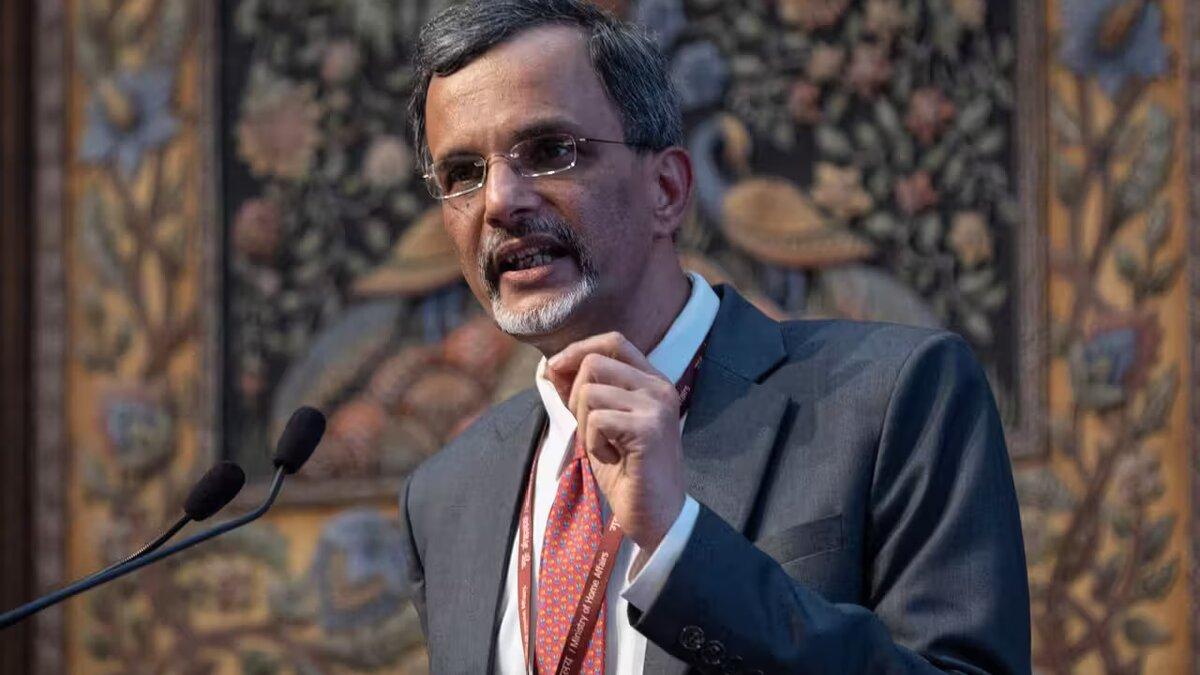
India’s Chief Economic Adviser V Anantha Nageswaran said in New Delhi on November 18 that India may have to manage rupee strength rather than weakness in FY28.
His forecast is conditional. Lower global oil prices and a shift in investment away from artificial intelligence in developed markets could improve India’s growth and capital flows, he said.
The rupee closed at 93.44 against the US dollar on November 18. It remained down around 4% since the beginning of January.
The currency had gained around 3.6% from its record low of 96.96 against the dollar, reached in May 2026. A recovery in foreign investment flows and softer crude prices supported that rebound.
Nageswaran spoke at the annual general meeting of FICCI, an industry body. “Our problem next year may be one of managing rupee strength rather than rupee weakness in FY28,” he said.
Lower oil prices could help
Nageswaran said FY28 could be a fairly good year for growth and capital flows if oil forecasts and AI valuations move in India’s favor.
Several agencies expect Brent crude, a global oil benchmark, to fall below $80 a barrel next year, he said. Nageswaran said his office was not forecasting crude prices.
If those forecasts prove accurate, lower energy prices could reduce business input costs and inflation while supporting growth, he said.
India managed supplies of crude oil, natural gas and fertilizers despite higher energy prices this year, Nageswaran said. He identified energy cost, energy security and the transition to cleaner energy as competing priorities.
AI investment flows could shift
Nageswaran said a possible cooling of AI valuations in developed markets could reverse some capital flows toward AI investments in the United States and Northeast Asia.
He pointed to improved foreign portfolio flows into India in July and August, when concerns about AI safety emerged. Such flows include overseas investment in financial assets.
Net foreign institutional investor flows stood at around $10 billion in November up to the previous day, Nageswaran said.
Nvidia shares fell more than 30% from their October record high amid concerns that spending on AI data centers could slow. The decline also weighed on other AI-linked stocks.
India has a relatively limited presence in advanced AI models, Nageswaran said, but has opportunities to apply the technology. He also stressed the importance of skills less vulnerable to automation.
Exports near $560 billion
India’s exports reached $560 billion in the first seven months of FY27 and could approach $1 trillion for the full financial year, Nageswaran said.
He said exports would account for close to 25% of an economy expected to be worth around $4.2-4.3 trillion by March 2027.
Excluding petroleum products and gems and jewelry, export growth stood at 18% in the first seven months, he said.
Nageswaran identified food processing, labor-intensive services and manufacturing trade skills as potential ways for India to strengthen its position against global supply disruptions.
 Take the quizWhat Kind of Holiday Spender Are You? Take the Black Friday QuizStart →
- 1Gold Silver Price November: Futures Rise Near Yearly Lows

- 2U.S. Emergency Alert Test Nov. 17 Is Not a Power Outage

- 3Michael Clarke Says Sandpapergate Scars Drew Steve Smith to New York

- 42027 NFL Mock Draft Puts Ohio State’s Jeremiah Smith at No. 1

- 5Smith Urged Khawaja Not to Speak About Ball-Tampering Scandal

 Lifestyle · Food & Health4 Reasons to Eat Oatmeal, According to Nutrition Experts
 Lifestyle7 Signs Your Social Battery Is Running Low (and Why You Keep Cancelling Plans)
 Lifestyle · Food & HealthThanksgiving Food Safety: How Long Leftovers Last and the Safe Turkey Temperature
 Lifestyle7 Quiet Habits of Emotionally Intelligent People, According to Psychologists