Fed Officials Warn AI Bust Could Shake Financial System
Almost every Federal Reserve official raised concerns about a potential artificial intelligence downturn at the central bank's October meeting. Minutes show policymakers also discussed hidden debt, concentrated exposures and possible risks to banks, while many saw AI spending as a source of inflation pressure.
Federal Reserve officials warned at their October meeting that an artificial intelligence bust could shake the US financial system, according to meeting minutes.
Almost every official raised concerns about what could happen if the AI boom disappoints investors. The discussion came as technology companies borrowed heavily to build data centers and buy chips.
If those investments fail to pay off, officials worry losses could spread to the lenders and investors financing them.
Officials flag hidden financing risks
AI-related debt has grown rapidly, much of it “through complex and opaque financing structures,” the minutes said. A few officials also said exposures were becoming concentrated among a small number of firms.
Federal Reserve staff highlighted circular financing arrangements. In those deals, chipmakers and other suppliers invest in or lend to companies that buy their products.
Staff also pointed to long-term lease commitments that do not appear as debt on company books.
The minutes opened with an unusual section on financial system risks. Fed officials had flagged the possibility of an AI-driven market decline since late last year, but not with nearly every official weighing in.
Market doubts reached the Fed
Before the meeting, the Fed's markets desk told officials that two leading AI firms had reported revenue growth below investors' expectations. A major technology company also announced data center spending plans that required more financing than investors had anticipated.
In October, Google's stock market value fell by half a trillion dollars in one day. The drop came when it appeared the company would take longer than expected to see a financial payoff from AI.
Before the Fed meeting began, Meta said it would sell up to $95 billion in new stock. Anthropic, which makes the Claude chatbot, also began the process for an expected initial public offering.
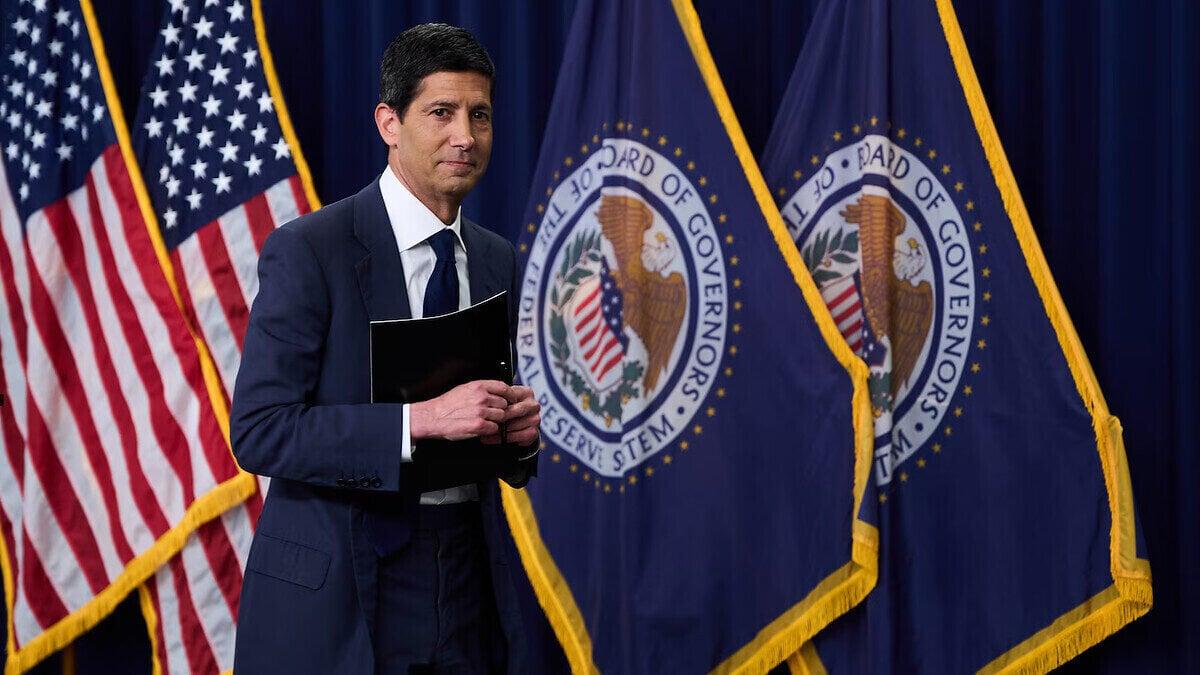
Federal Reserve Chairman Kevin Warsh later described a scenario his staff were studying: AI disappoints, stock prices fall and the economy slows.
Banks and inflation draw scrutiny
Several officials noted the Fed staff's view that the banking system remained well capitalized. Several also cautioned that bank vulnerabilities could emerge rapidly, even after reassuring initial assessments.
Bank supervisors may not fully see banks' exposure to private credit funds and other lenders outside the banking system, those officials said.
A few officials suggested ensuring banks hold extra capital. That financial cushion helps banks absorb losses and continue lending when trouble hits elsewhere.
Many officials also viewed the AI buildout as “a material source of inflation risk,” the minutes said. They cited pressure on supplies of technology products and skilled construction workers.
Almost all officials said further interest rate increases would likely be appropriate to bring down inflation. A couple said a larger-than-usual increase could be considered at the next meeting in December if inflation data came in hot.
 Take the quizWhat Kind of Holiday Spender Are You? Take the Black Friday QuizStart →
- 1Gold Silver Price November: Futures Rise Near Yearly Lows

- 2U.S. Emergency Alert Test Nov. 17 Is Not a Power Outage

- 3Michael Clarke Says Sandpapergate Scars Drew Steve Smith to New York

- 42027 NFL Mock Draft Puts Ohio State’s Jeremiah Smith at No. 1

- 5GTA 6 New Zealand Time Trick Is Not Guaranteed to Work

 Lifestyle · Food & Health4 Reasons to Eat Oatmeal, According to Nutrition Experts
 Lifestyle7 Signs Your Social Battery Is Running Low (and Why You Keep Cancelling Plans)
 Lifestyle · Food & HealthThanksgiving Food Safety: How Long Leftovers Last and the Safe Turkey Temperature
 Lifestyle7 Quiet Habits of Emotionally Intelligent People, According to Psychologists