Australia Urged to Expand Compensation for Surrogates
An Australian law reform commission has recommended greater compensation for surrogates and a national framework, while keeping the ban on commercial surrogacy. Supporters say the changes could make arrangements easier to find at home, but religious groups have raised objections.
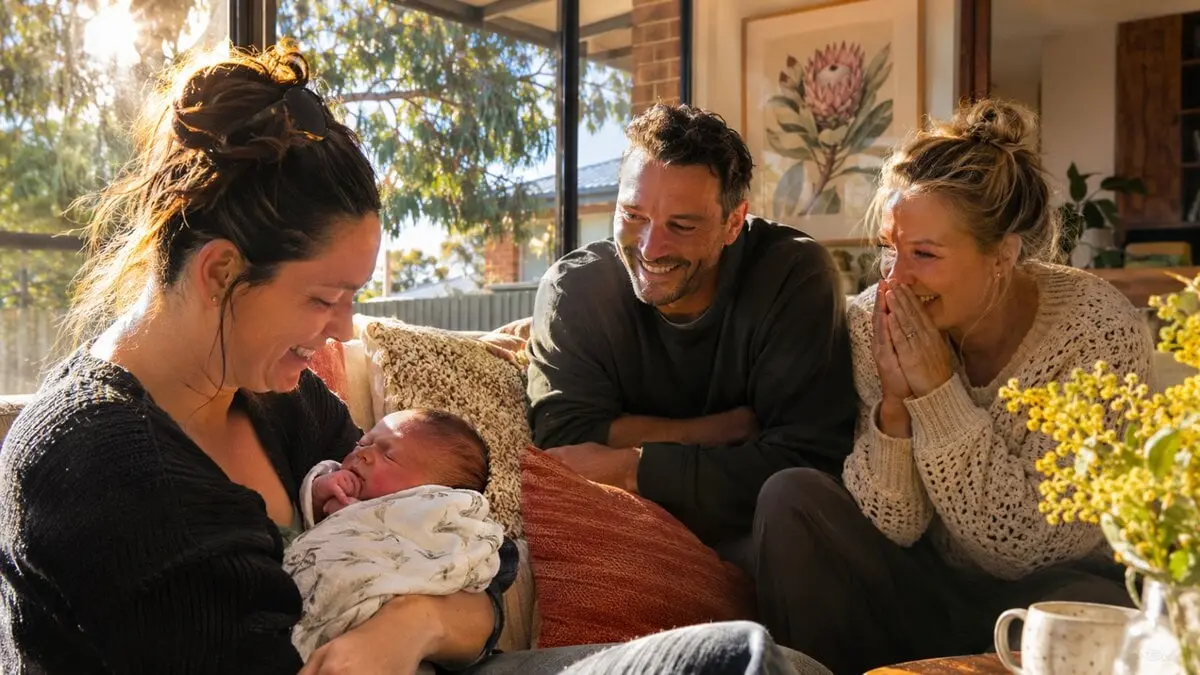
The Australian Law Reform Commission has recommended greater compensation for surrogates in a final report on Australian law. Supporters say the proposal could encourage more women to become surrogates and help families avoid seeking arrangements overseas.
The commission did not recommend lifting the ban on commercial surrogacy. The federal government said it would consider the proposals alongside the states and territories.
About 80 percent of Australians’ surrogacy arrangements happen outside the country. The commission said barriers to accessing surrogacy domestically were driving intended parents overseas, where risks of exploitation and harm are greatest.
Review proposes a national framework
The commission recommended a nationally consistent framework overseen by a regulator. It said the framework would streamline different state and territory laws.
Its report also proposed greater financial compensation for the effects of pregnancy and childbirth. The aim is to prevent surrogates from being financially disadvantaged.
Australia currently permits altruistic surrogacy. Under that model, surrogates can be reimbursed for certain expenses but cannot receive a reward or fee.
Justice Mordy Bromberg of the commission said it did not want payments in exchange for a baby. He also warned that financial inducements could compromise a surrogate’s free and informed consent.
Requirements differ across Australia. South Australia requires a police check before surrogacy proceeds, while Victoria and Tasmania require a surrogate to have previously given birth.
Restrictions on advertising also make it difficult to find surrogates through social media. About 20 percent of surrogacy arrangements in Australia are between strangers.
Families and groups respond
Gold Coast mother Roxanne Brewer became a surrogate for strangers in 2019. She offered to help Matt and Wilson, a gay couple she met online.
Brewer said money was not her main concern, but expanded compensation could encourage more women to consider surrogacy. “As long as the ethics around a woman's rights are protected, I think it's OK,” she said.
Emilie Miller and her husband David found a surrogate in Miller’s cousin. Miller, who became a quadriplegic after a spinal cord injury at age 12, could not carry her own baby.
Their son Max is seven months old. Miller said they had only just been granted legal parentage of him.
The commission recommended recognizing intended parents as legal parents from birth. The Australian Christian Lobby urged governments to reject the report’s key recommendations.
Chief executive Michelle Pearse said the proposals would take Australia most of the way toward commercial surrogacy. Religious groups also argued in submissions that separating a child from its gestational mother violated the child’s rights to biological and emotional bonds.
The Australian Catholic Bishops Conference has previously called for a complete national ban on all forms of surrogacy.
 Take the quizWhat Kind of Holiday Spender Are You? Take the Black Friday QuizStart →
- 1Gold Silver Price November: Futures Rise Near Yearly Lows

- 2U.S. Emergency Alert Test Nov. 17 Is Not a Power Outage

- 3Michael Clarke Says Sandpapergate Scars Drew Steve Smith to New York

- 42027 NFL Mock Draft Puts Ohio State’s Jeremiah Smith at No. 1

- 5GTA 6 New Zealand Time Trick Is Not Guaranteed to Work

 Lifestyle · Food & Health4 Reasons to Eat Oatmeal, According to Nutrition Experts
 Lifestyle7 Signs Your Social Battery Is Running Low (and Why You Keep Cancelling Plans)
 Lifestyle · Food & HealthThanksgiving Food Safety: How Long Leftovers Last and the Safe Turkey Temperature
 Lifestyle7 Quiet Habits of Emotionally Intelligent People, According to Psychologists