What Sets the Cost of Pilbara Green Iron Exports
Assess Pilbara green iron supply chain costs, from ore grades and hydrogen to electric smelting, briquette freight and what buyers should verify.
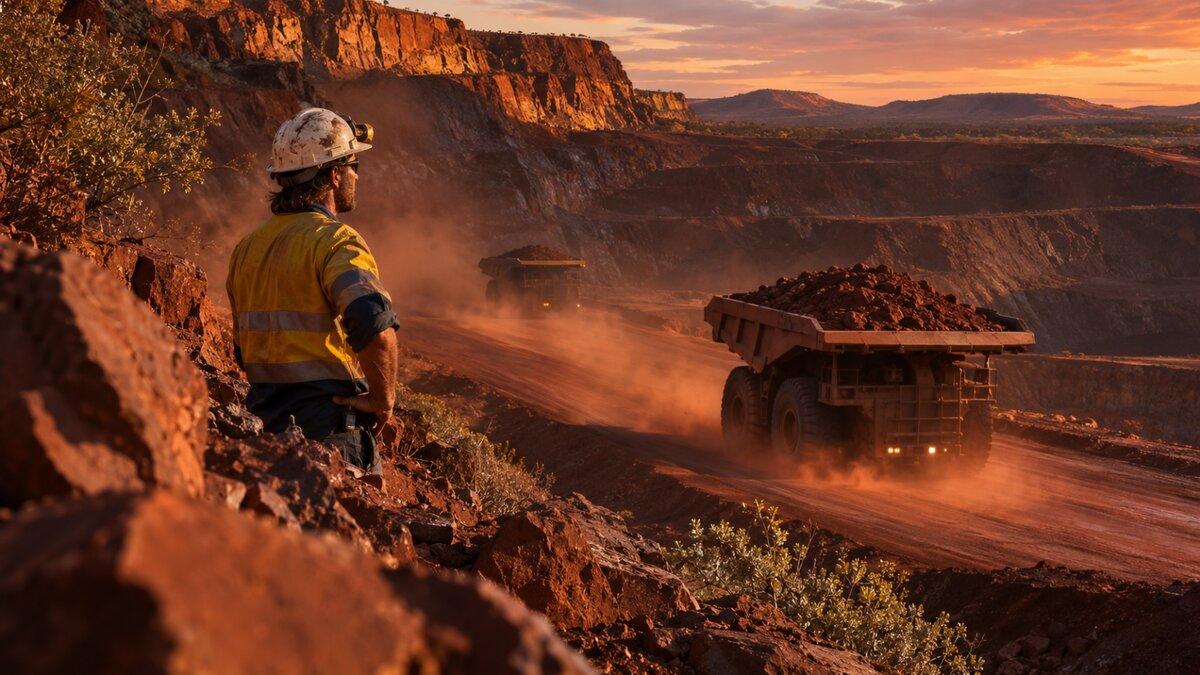
The Pilbara could shift some hematite and magnetite exports from ore to green iron, using hydrogen to make direct reduced iron (DRI) for briquetting into hot briquetted iron (HBI) or for electric smelting. For Asian steelmakers, the Pilbara green iron hydrogen supply chain ties the economics of direct reduction iron technology and electric smelting furnace systems to delivered feedstock cost.
- The Commonwealth and Western Australia committed A$70 million each to the A$140 million Pilbara Hydrogen Hub agreement, which supports shared infrastructure and workforce development. WA Government
- CSIRO puts typical Pilbara ore at 55–62% iron. Conventional direct reduction typically needs feed above 67%, making ore upgrading and impurity removal central to the cost comparison. CSIRO
- HBI gives Asian electric arc furnace (EAF) operators a dense, shippable iron feed. The proposed Boodarie plant illustrates that export route. Christmas Creek and NeoSmelt test electric smelting of DRI into molten iron. Midrex · Boodarie environmental filing · ARENA
Ore grade determines where processing costs fall
Hydrogen removes oxygen from iron oxide in the reduction reactor. Silica and alumina remain in the solid product unless removed upstream. CSIRO also identifies a physical constraint. Pellets made from some hematite and goethite feeds can break up in a shaft furnace, and impurities can cause sticking. A trial therefore needs to demonstrate stable throughput as well as the target iron grade. Magnetite concentrate is better suited to the conventional shaft route, but the delivered cost still needs to carry the grinding, concentration and pelletising required by the chosen ore. CSIRO on hydrogen ironmaking · CSIRO on Pilbara ore processing
In a DRI-to-HBI route, hot compaction makes the reduced iron easier to ship to a buyer's EAF. In a DRI-to-electric-smelting route, an electric smelting furnace (ESF) takes more of the impurity-removal burden after reduction and produces hot metal for downstream refining. Compare what each route spends upstream on ore preparation with what it spends downstream on electricity, slag handling and iron losses. Austrade identifies established ore customers in China and Japan as potential green iron buyers. Each mill still has to qualify the product for its own furnace and charge mix. Midrex · ARENA · Austrade
What the Pilbara and Kwinana projects can prove
| Project or pathway | Disclosed scope | Status and funding | Buyer verification |
|---|---|---|---|
| DRI to HBI at Boodarie | Proposed ~2 million tonnes of HBI per year in the Boodarie Strategic Industrial Area | Environmental filing stage (Port Hedland Iron Project Stage 1) | Qualify a briquette sample and obtain delivered cost and emissions offer |
| Fortescue Christmas Creek | Pilot targeting >1,500 tonnes/year using blended feedstock | US0 million pilot; first hot metal reported August 2026 (sustained rate not disclosed) | Request run data for intended Pilbara feed, iron recovery and power use/tonne |
| NeoSmelt at Kwinana | Proposed 30,000–40,000 tonnes/year molten iron via electric smelting | A5 million WA support and A9.8 million ARENA engineering design | Evaluate natural gas and hydrogen runs separately for slag rate and energy use |
| Lumsden Point, Port Hedland | Two common-user berths for renewable energy equipment; HBI throughput not disclosed | Expected start second half of 2027 (Pilbara Ports) | Price equipment imports and iron exports separately; confirm berth access |
The Commonwealth's A$1 billion Green Iron Investment Fund targets upfront capital, with at least A$500 million open to projects nationally when announced. Model any grant as a capital contribution and run the operating case with its own power, labour, maintenance and freight assumptions. Department of Industry, Science and Resources
Power and freight set the delivered price
Calix's 2024 ZESTY engineering study modelled HBI at A$632–802 per tonne of contained iron, or US$411–522 at the study's exchange rate, with hydrogen at A$5.50–6.20 per kilogram. Its electricity assumptions averaged A$36–48/MWh before transmission and connection costs. Use the range to test sensitivity. A current delivered Pilbara HBI price is not disclosed in the study. Converting offers to a tonne of contained iron keeps a lower-iron product from looking artificially cheap on a gross-tonnage basis. Calix engineering study, pp. 9–10
For industrial hydrogen electrolysers, compare metered electricity per kilogram at the required delivery pressure, operating hours, stack replacement and water treatment. Price firm power for the reduction and smelting plants alongside hydrogen storage or backup supply. A cheap generation contract can still leave expensive hours to cover when a plant needs steady feed. AEMO's 15 TWh power forecast for Australian data centres concerns the National Electricity Market under its Step Change scenario. Use it as context for large-load planning and obtain Pilbara-specific connection and supply terms for the project. AEMO forecast, p. 48
Build the buyer's cost from the plant gate through inland haulage, storage, loading and ocean freight, then add the mill's melting, slag and yield costs. Carry carbon intensity alongside price and reconcile the electricity, reductant and transport boundaries before comparing offers. If the downstream product is covered by the EU mechanism, agree who supplies the embedded-emissions records before signing an offtake. EU CBAM 2026 export data rules · European Commission
How to qualify supply before committing capital
1. Qualify ore and product together. Test the contracted ore blend for pellet strength and reduction behaviour. For HBI, agree on metallic iron content, impurity limits, and how the buyer will sample cargoes. For smelted iron, request run data that links the blend to electricity use, slag volume and metallic yield. 2. Price a firm tonne. Ask for a delivered bid that specifies power and hydrogen assumptions, minimum volumes, commissioning dates and what happens when a supply shortfall forces a change in reductant. Run the purchase case without an assumed green premium, then add any premium backed by a contract. Keep grant proceeds out of recurring operating margins. 3. Verify the shipping plan. Map the equipment import route and the finished-product export route berth by berth. When evaluating bulk commodity logistics software, require it to reconcile parcel assays and weights with stockpile inventories and shipment documents. Include storage, vessel delays and rights to berth windows in the bid comparison. 4. Tie capital to operating evidence. Fund feed trials and engineering first. Make larger orders conditional on repeatable campaigns using the intended ore, quoted electricity and hydrogen delivery terms, and a mill acceptance test. Require an agreed emissions boundary and audit rights before paying a carbon premium. These terms give the buyer a way to verify that the contracted product matches the process and energy mix used to price it.
 Take the quizWhat Kind of Holiday Spender Are You? Take the Black Friday QuizStart →
- 1Gold Silver Price November: Futures Rise Near Yearly Lows

- 2U.S. Emergency Alert Test Nov. 17 Is Not a Power Outage

- 32027 NFL Mock Draft Puts Ohio State’s Jeremiah Smith at No. 1

- 4Michael Clarke Says Sandpapergate Scars Drew Steve Smith to New York

- 5GTA 6 New Zealand Time Trick Is Not Guaranteed to Work

 Lifestyle · Food & Health4 Reasons to Eat Oatmeal, According to Nutrition Experts
 Lifestyle7 Signs Your Social Battery Is Running Low (and Why You Keep Cancelling Plans)
 Lifestyle · Food & HealthThanksgiving Food Safety: How Long Leftovers Last and the Safe Turkey Temperature
 Lifestyle7 Quiet Habits of Emotionally Intelligent People, According to Psychologists