Iran War Drives Forecast £443 Rise in UK Energy Bills
A typical household energy bill in Great Britain is forecast to rise by £443 a year from January, according to Cornwall Insight. The prediction comes as higher fuel costs push inflation up and the government prepares payments to help households with living costs.
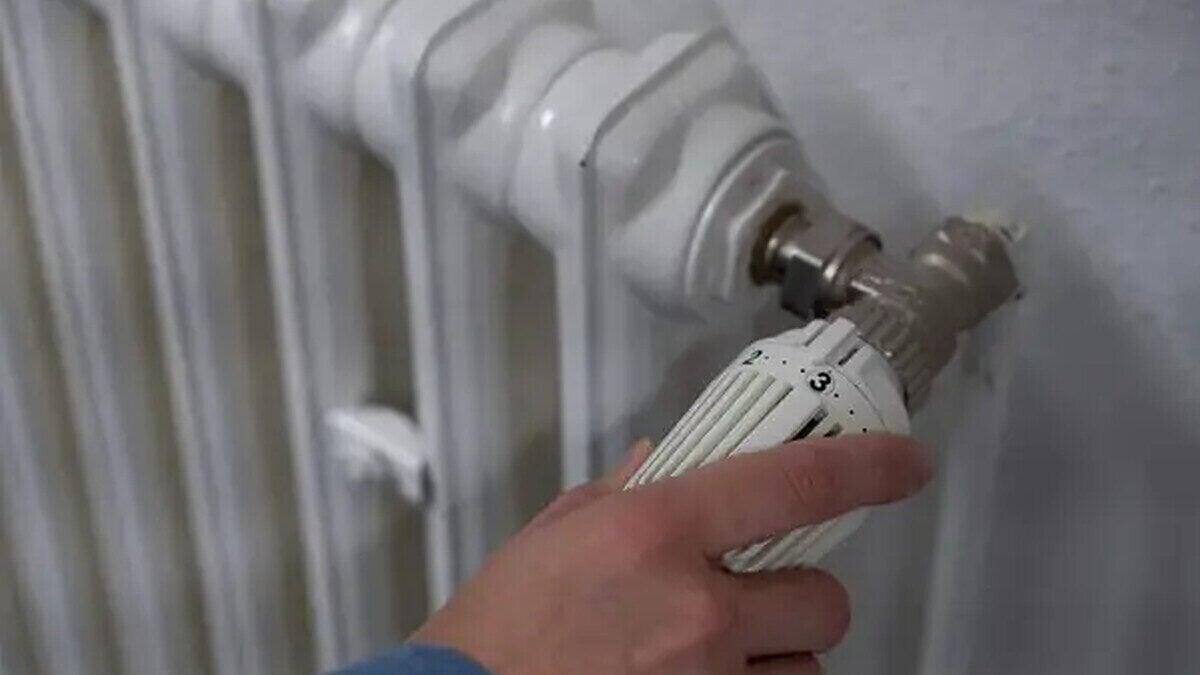
Cornwall Insight forecasts that a typical household energy bill in Great Britain will rise by £443 a year from January, as the Iran war pushes up energy costs.
The consultancy predicts a 26% increase, taking the typical annual bill to £2,166. An official announcement on energy bills is due ahead of the change.
Higher energy and fuel costs have also helped drive inflation to its highest level in a year. Consumer prices rose 3.6% in the year to October, up from 3.5% in September, official figures show.
Government offers household support
The government has cut VAT, a sales tax, on electricity bills to zero until July. It also plans to give £100 to 20 million homes in January.
Treasury Chief Secretary Emma Reynolds said the government was helping households with energy costs. The £100 payment was announced in the Budget.
Cornwall Insight retail markets principal Craig Lowrey said the support “can only chip away at the edges of a bill that continues to be pushed up by events in the Middle East”.
Energy Secretary Miatta Fahnbulleh said: “Affordability is my number one priority, and I will continue driving towards cheap, clean power.”
Sophie, who manages a cafe in Brighton, said energy costs were affecting her family at home. She said they were using the oven less, wearing more layers and using electric blankets on the sofa.
Fuel prices push inflation higher
The US-Israel war with Iran has driven up energy and fuel costs. Higher petrol and diesel prices were the main reason for October's increase in inflation.
The Office for National Statistics said petrol rose by 5.2p per litre between September and October. It averaged 174.7p per litre in October, the highest since August 2022.
Diesel averaged 199.5p per litre in October, its highest price since records began 30 years ago.
Grant Fitzner, the statistics office's chief economist, said: “Annual costs of both raw materials and goods leaving factories continue to climb, driven by higher crude oil and petrol prices, respectively.”
Food price inflation was 0.9%, its slowest pace in five years. Price increases also slowed at restaurants and cafes, while hotel prices fell on average.
Bank raises interest rates
The Bank of England raised interest rates from 3.75% to 4% in response to rising prices. It was the Bank's first increase in three years.
Higher rates can raise borrowing costs for some mortgages, loans and credit cards. They can also improve returns for savers.
The Bank signaled that another increase could be likely unless the Middle East conflict is resolved. Its inflation target is 2%.
Bank policymakers believe inflation could peak at 4.9% in the middle of next year and return to 2% in 2028. The Bank has suggested inflation could reach 6.2% in 2027 if the US-Iran war escalates and oil prices rise further.
 Take the quizWhat Kind of Holiday Spender Are You? Take the Black Friday QuizStart →
- 1Gold Silver Price November: Futures Rise Near Yearly Lows

- 2Michael Clarke Says Sandpapergate Scars Drew Steve Smith to New York

- 3U.S. Emergency Alert Test Nov. 17 Is Not a Power Outage

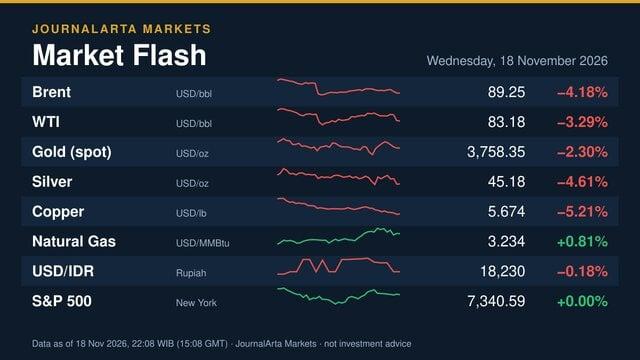
- 4Brent Crude Slides 4.05% as Rising US Stockpiles Weigh on Oil
- 52027 NFL Mock Draft Puts Ohio State’s Jeremiah Smith at No. 1

 Lifestyle · Food & HealthWhat Is Raynaud’s Syndrome? Why Fingers Turn White in the Cold
 Lifestyle · Food & Health4 Ways Walking After Meals Helps Your Body, Doctors Say
 Lifestyle · Food & Health4 Reasons to Eat Oatmeal, According to Nutrition Experts
 Lifestyle7 Signs Your Social Battery Is Running Low (and Why You Keep Cancelling Plans)