Iran War Could Slash Hormuz Oil Flows by 2035, IEA Says
Oil shipments through the Strait of Hormuz could fall below 2 million barrels a day by 2035 if severe disruption persists, the International Energy Agency says. Gulf producers are considering costly alternative pipelines, while the agency expects global oil supplies to outpace demand.
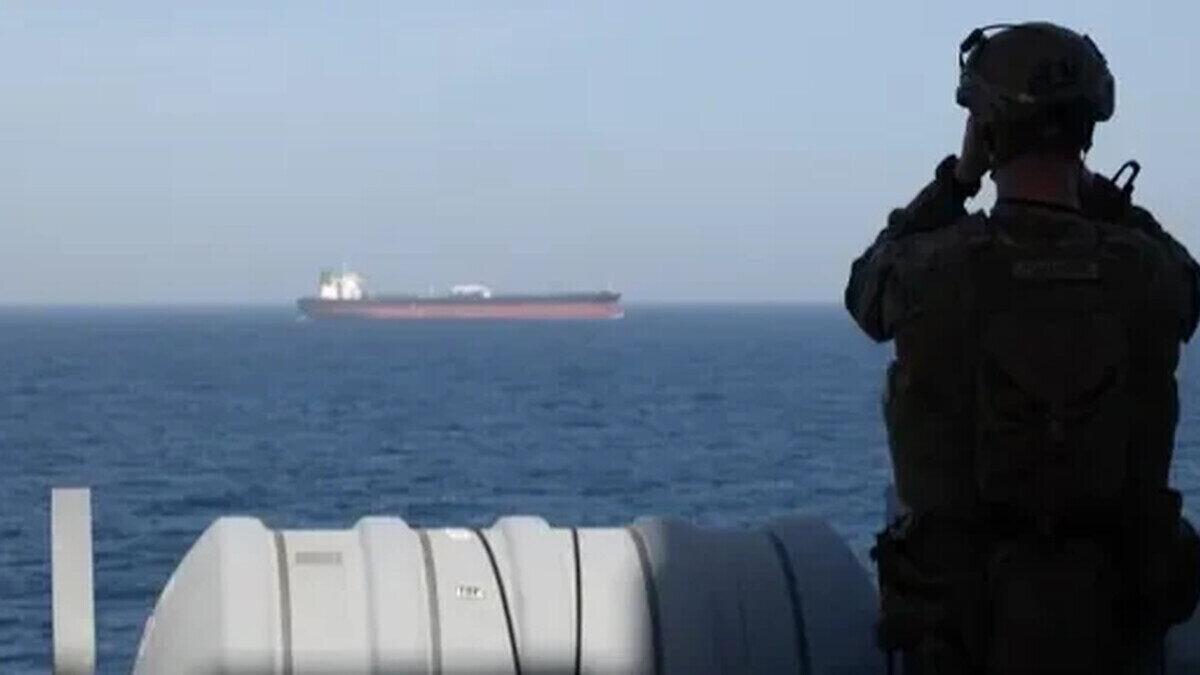
The International Energy Agency says the Iran war could slash oil flows through the Strait of Hormuz to less than 2 million barrels a day by 2035. That scenario depends on severe disruption continuing at the waterway, which links the Persian Gulf to global markets.
Before the war, about 20 million barrels of oil a day passed through the strait. The agency says that could fall to 8.5 million barrels a day by 2030 under the same scenario.
The shift would require costly new export routes. The agency estimates that alternative Gulf pipelines could add about $2 to the cost of each barrel of Middle Eastern oil exported.
International Energy Agency Executive Director Fatih Birol said the crisis had delivered “a huge shock to the system.”
Gulf producers pursue alternative pipelines
About 7 million barrels a day of new pipeline capacity is under construction or consideration, the agency said. It estimates the projects would require $40 billion in investment.
Since the war began in late February, Saudi Arabia has used its East-West pipeline to move crude toward the Red Sea. The United Arab Emirates has used a pipeline to Fujairah on the Gulf of Oman.
Alternative routes can still be vulnerable to attack, the agency cautioned. It expects the Middle East to remain the world’s largest oil-exporting region even under its most extreme scenario for avoiding Hormuz.
“It is not easy, but the energy world could conceivably manage without the strait,” Birol said. “It cannot manage without the Middle East.”
Oil demand falls as prices swing
Brent crude, a global oil benchmark, rose from around $71 a barrel before the war to peaks above $126. It later fell back toward $93 a barrel in November.
The agency expects oil supply to exceed demand as Middle Eastern production recovers faster than demand grows. It projects a surplus of 1.7 million barrels a day in the current quarter, widening to about 3.8 million barrels a day next year.
Between March and October, global oil demand fell by around 3.7 million barrels a day from a year earlier. Higher prices, shortages, government measures and weaker economic activity curbed consumption.
Demand fell 10% in the Middle East and 5% in Asia. China’s seaborne crude imports dropped from 11.6 million barrels a day in February to around 6 million in June.
Countries look to domestic energy
The agency expects the crisis to encourage greater use of domestic energy sources. It sees renewables and nuclear energy as the biggest beneficiaries, alongside efficiency measures, biofuels and coal in some Asian countries.
Electricity demand has grown faster than the world economy since 2019, according to the agency. Electric vehicles, air conditioning, industrial motors, heat pumps and data centers have driven that growth.
The agency expects electricity to approach 30% of final energy consumption by 2035 across its scenarios.
 Take the quizWhat Kind of Holiday Spender Are You? Take the Black Friday QuizStart →
- 1Gold Silver Price November: Futures Rise Near Yearly Lows

- 2Michael Clarke Says Sandpapergate Scars Drew Steve Smith to New York

- 3U.S. Emergency Alert Test Nov. 17 Is Not a Power Outage

- 4Brent Crude Slides 4.05% as Rising US Stockpiles Weigh on Oil
- 52027 NFL Mock Draft Puts Ohio State’s Jeremiah Smith at No. 1

 Lifestyle · Food & HealthWhat Is Raynaud’s Syndrome? Why Fingers Turn White in the Cold
 Lifestyle · Food & Health4 Ways Walking After Meals Helps Your Body, Doctors Say
 Lifestyle · Food & Health4 Reasons to Eat Oatmeal, According to Nutrition Experts
 Lifestyle7 Signs Your Social Battery Is Running Low (and Why You Keep Cancelling Plans)