IEA Warns Biggest Energy Crisis in History Is Reshaping Power
The International Energy Agency says oil and gas shortages linked to the Iran war have strengthened the case for electrification. Its annual outlook points to falling wholesale electricity prices in Australia and assesses how government policies could alter global demand for fossil fuels.
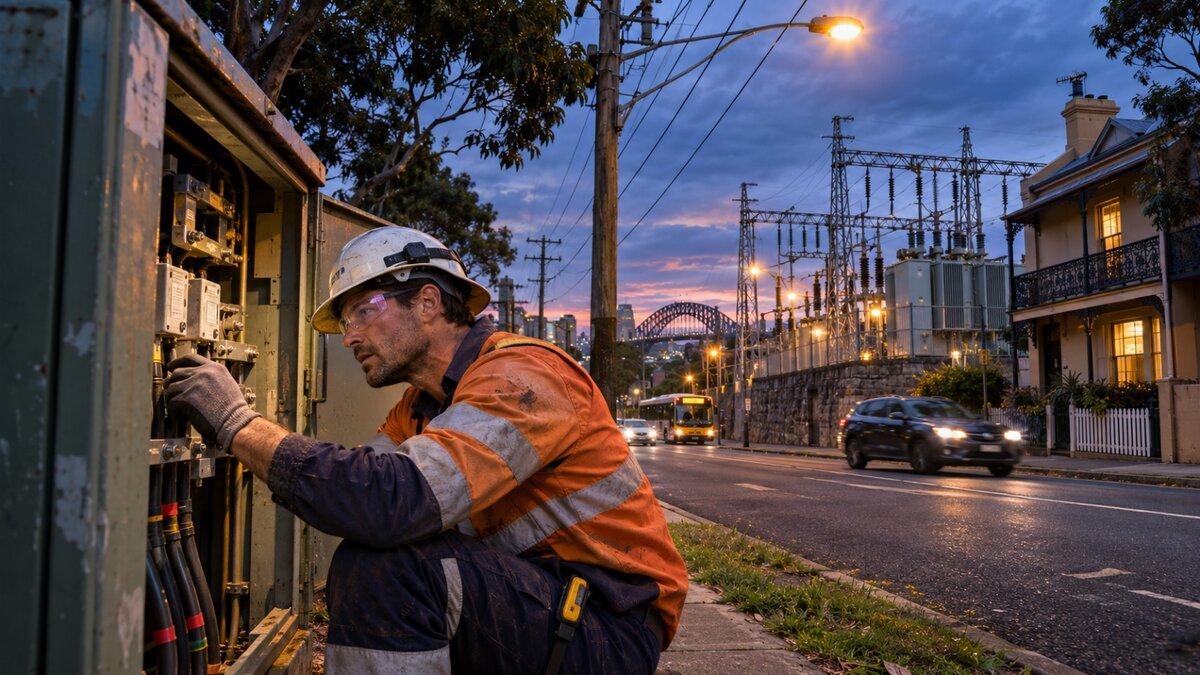
The International Energy Agency says the biggest energy crisis in history has strengthened the case for electrification in 2026, as shortages linked to the Iran war drive up prices.
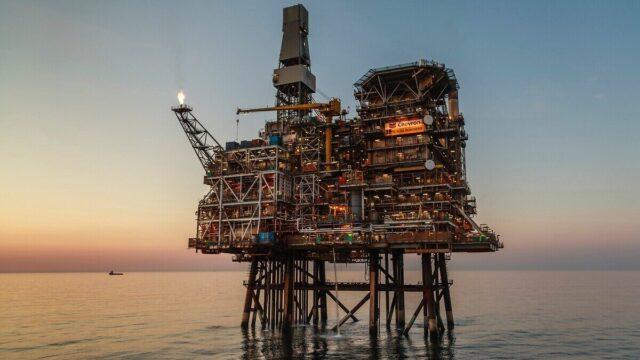
The losses are substantial. The global energy system has lost 2.8 billion barrels of oil and 60 billion cubic meters of gas because of the crisis.
Governments are seeking alternative supplies and technologies. The agency's annual World Energy Outlook said the crisis had reinforced the strategic case for using electricity in place of fossil fuels.
Australian batteries help lower prices
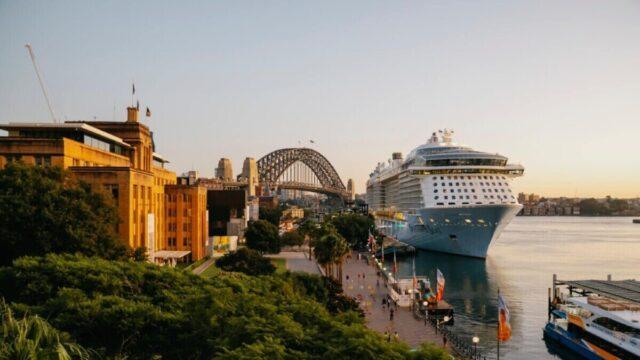
The agency pointed to Australia as an example of renewable generation and storage reducing the need for gas during peak periods.
In the second quarter of 2026, large batteries more than tripled the electricity shifted from sunny daytime hours into the evening peak, the report said.
Gas-fired generation fell 30% year over year to its lowest second-quarter level since 2003. Average wholesale electricity prices fell by almost half.
The agency attributed the lower and more stable price pattern to increased renewable output, battery use during peak periods and lower evening demand.
Oil and gas forecasts diverge
The agency examined several paths for oil demand. Under policies already enacted by governments, demand would grow from 106 million barrels per day by 2035 to 114 million barrels per day by 2050.
When proposals, official targets and strategy documents were included, oil use peaked at 103 million barrels in 2035. It then declined to 96 million per day in 2050.
In a scenario where the continuing crisis forces governments to seek more alternatives, oil use peaks sooner and falls to 85 million barrels per day by 2050.
Gas use would continue growing through 2050 under existing policies. It would peak in 2035 when stated policies are included, or in the early 2030s if the transition accelerates.
Gulf states are building pipelines to route oil exports around the Strait of Hormuz. The report expects the pipelines to add US$2 to the cost of each barrel of Middle Eastern oil.
Countries push electrification target
The world added 600 TWh of solar power in 2025, more than twice Australia's total annual energy generation. China is expanding renewable capacity and exports of renewable technology.
Australian Climate and Energy Minister Chris Bowen and Turkey, backed by the agency, are calling for electricity to reach 35% of global final energy consumption by 2035. Its share is currently just over 20%.
The report said the target was economically viable based on technology and fuel costs. It also identified barriers, including grid upgrades, electric-vehicle infrastructure and public awareness of long-term ownership costs.
 Take the quizWhat Kind of Holiday Spender Are You? Take the Black Friday QuizStart →
- 1Gold Silver Price November: Futures Rise Near Yearly Lows

- 2Michael Clarke Says Sandpapergate Scars Drew Steve Smith to New York

- 3U.S. Emergency Alert Test Nov. 17 Is Not a Power Outage

- 42027 NFL Mock Draft Puts Ohio State’s Jeremiah Smith at No. 1

- 5Brent Crude Slides 4.05% as Rising US Stockpiles Weigh on Oil
 Lifestyle · Food & HealthWhat Is Raynaud’s Syndrome? Why Fingers Turn White in the Cold
 Lifestyle · Food & Health4 Ways Walking After Meals Helps Your Body, Doctors Say
 Lifestyle · Food & Health4 Reasons to Eat Oatmeal, According to Nutrition Experts
 Lifestyle7 Signs Your Social Battery Is Running Low (and Why You Keep Cancelling Plans)