Nepal Flood Survivors Rebuild as Malnutrition Rises
Survivors of Nepal’s glacial-melt floods are helping deliver aid while rebuilding their own lives. Preliminary data suggest malnutrition has risen in one affected area, while damaged roads and bridges make it difficult to reach communities with food and medical care.
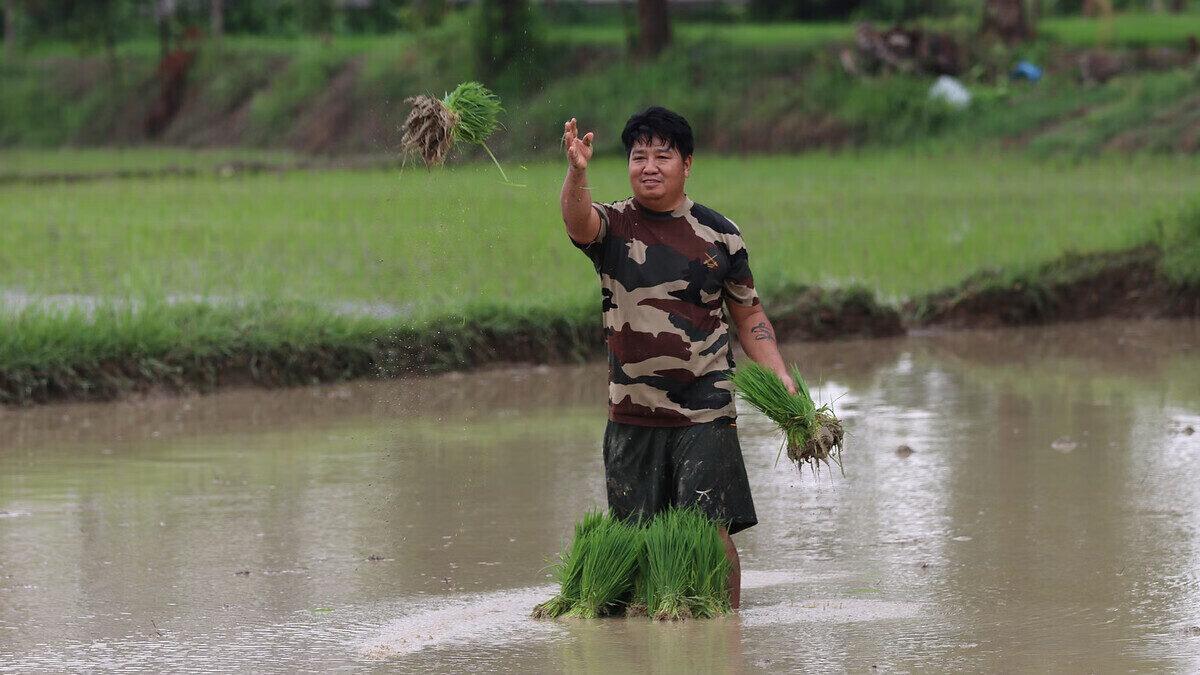
Community aid worker Januka Dhital is helping flood survivors in Uttargaya, Nepal, after escaping the disaster that destroyed her home. The floods have displaced thousands and damaged health facilities, schools and water systems.
At least 1,500 people died. More than 5,000 remain missing, and thousands are living in temporary shelters or tents.
The floods, sparked by glacial melt, have upended the lives of some 100,000 people. Climate change has made glacial melt worse.
Dhital was preparing snacks for her home-based catering service when a man on a scooter warned her about the flood. She grabbed her young son, climbed onto the scooter and escaped to higher ground.
Her husband and daughter were at work and school when the water came. After hours of searching, the family reunited. Her husband was badly injured, she said.
They spent about a month in a center for displaced people before moving into a relative’s home. Dhital later trained with the nonprofit Helen Keller Intl and began helping other survivors.
She screens survivors for malnutrition and works with pregnant women, postpartum mothers and children under five. “This is the only thing keeping me going right now,” Dhital said.
Malnutrition rises as access narrows
Preliminary data suggest moderate acute malnutrition in Naukunda Gaunpalika rose from 0.8% in June to 8.7% in October. Pooja Pandey Rana, who directs Helen Keller’s work in Nepal, said the estimates were likely conservative.
The condition can slow growth and weaken the immune system. Without treatment, it can become life-threatening.
Many families lost gardens and local farms that supplied nutritious food. Dhital said survivors now rely on packaged foods, while poor sanitation and a lack of clean drinking water add to the problems.
Aid workers are distributing supplies and cash, though damaged routes make some communities hard to reach. More than 100 bridges were destroyed, according to the United Nations.
“There is still a challenge to deliver food and life saving support to these areas,” said Ayush Joshi, who works for Save the Children in Nepal.
Winter and rebuilding costs loom
Cold weather threatens people living in tents and temporary shelters. Joshi said responders are preparing tents for winter and moving families into safer shelters, alongside providing food and medical care.
Health workers are also helping survivors cope with trauma. Pushmaya Tamang, a community aid worker whose younger sister died, crosses makeshift bridges to reach affected families.
The United Nations said the floods damaged or destroyed seven health facilities, 23 schools, 10,000 toilets and 64 water systems.
Preliminary estimates put rebuilding costs at roughly $5 billion. The U.N. Climate Fund approved $20 million for recovery, and domestic and international donors contributed over $100 million in additional funds.
 Take the quizWhat Kind of Holiday Spender Are You? Take the Black Friday QuizStart →
- 1Gold Silver Price November: Futures Rise Near Yearly Lows
- 2Michael Clarke Says Sandpapergate Scars Drew Steve Smith to New York

- 3U.S. Emergency Alert Test Nov. 17 Is Not a Power Outage

- 42027 NFL Mock Draft Puts Ohio State’s Jeremiah Smith at No. 1

- 5Brent Crude Slides 4.05% as Rising US Stockpiles Weigh on Oil
 Lifestyle · Food & HealthWhat Is Raynaud’s Syndrome? Why Fingers Turn White in the Cold
 Lifestyle · Food & Health4 Ways Walking After Meals Helps Your Body, Doctors Say
 Lifestyle · Food & Health4 Reasons to Eat Oatmeal, According to Nutrition Experts
 Lifestyle7 Signs Your Social Battery Is Running Low (and Why You Keep Cancelling Plans)