Two Anatomists Explain Why ‘New Organ’ Claims Keep Sparking Disputes
Another week, another headline about a "new organ." Two anatomists want to explain why the label rarely settles anything.
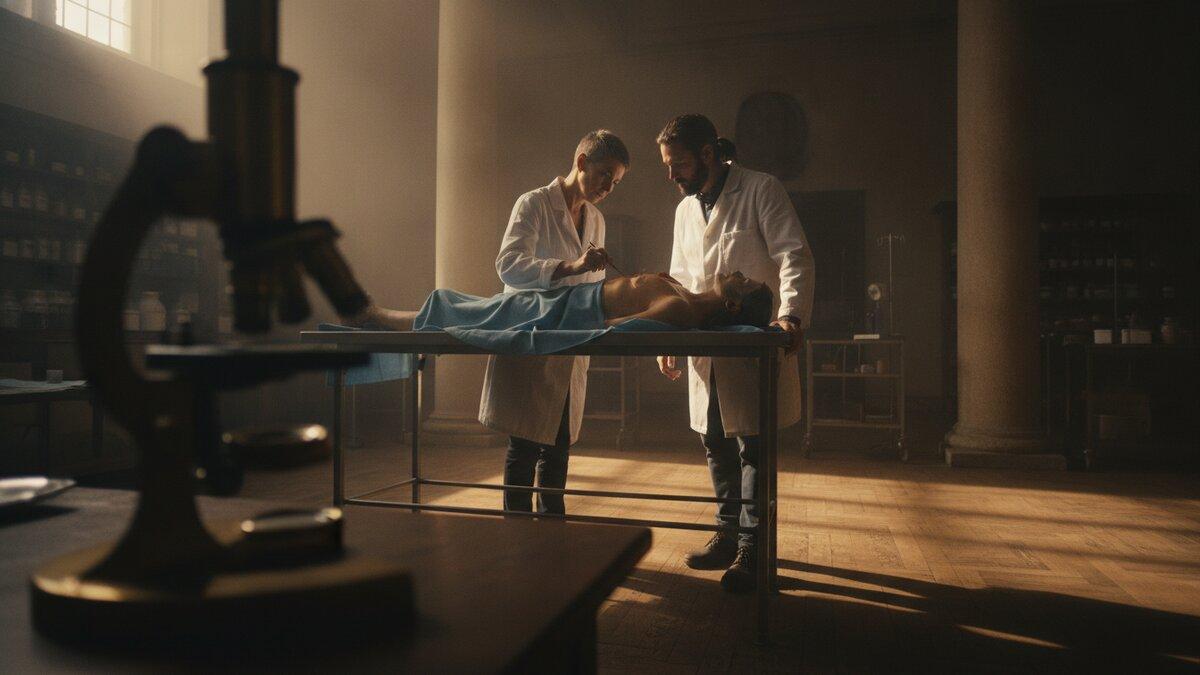
Another week, another headline about a "new organ." Two anatomists want to explain why the label rarely settles anything.
Their newly published explainer tackles a question that keeps returning: after more than 2,500 years of dissection and imaging of the human body down to the nanometre, can there really be organs left to find?
Yes, they write. But the discoveries tend to land in controversy.
A pattern of pushback
One team announces an organ. Other researchers respond that it has been known for centuries. Some structures are claimed for all humans, while others argue they are not universal.
Then there is a third category: organs that clearly exist, where the disagreement is about what they actually do.
The anatomists say three such disputes sit in the head alone.
Waste disposal in the brain
Brain nerve cells produce waste that must be cleared for the brain to stay healthy. It is carried away in cerebrospinal fluid, the specialised liquid surrounding the central nervous system.
Scientists agree on that much. They do not agree on how the clearance works or which organs are involved.
For more than a century, anatomists believed small grape-like structures called arachnoid granulations carried out this job. Rival accounts of the machinery have since put that long-held picture under question.
What it means for readers
The disputes are more than academic housekeeping. Imaging has made it possible to describe structures in fine detail, but describing something is not the same as proving it qualifies as an organ.
When researchers cannot agree on whether a structure is universal, or on its function, the practical questions follow. What does it do? Does the answer vary between patients?
The two anatomists do not settle those disputes. Their explainer sets out why a discovery announcement and a classification argument are different things, and why the second often outlasts the first.
 Take the quizWhat Kind of Holiday Spender Are You? Take the Black Friday QuizStart →
- 1Gold Silver Price November: Futures Rise Near Yearly Lows

- 2Michael Clarke Says Sandpapergate Scars Drew Steve Smith to New York

- 3U.S. Emergency Alert Test Nov. 17 Is Not a Power Outage

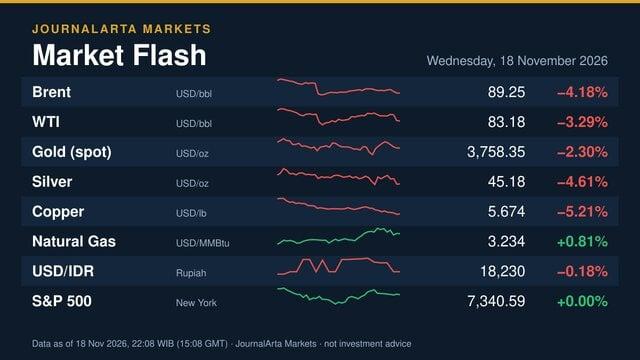
- 4Brent Crude Slides 4.05% as Rising US Stockpiles Weigh on Oil
- 52027 NFL Mock Draft Puts Ohio State’s Jeremiah Smith at No. 1

 Lifestyle · Food & HealthWhat Is Raynaud’s Syndrome? Why Fingers Turn White in the Cold
 Lifestyle · Food & Health4 Ways Walking After Meals Helps Your Body, Doctors Say
 Lifestyle · Food & Health4 Reasons to Eat Oatmeal, According to Nutrition Experts
 Lifestyle7 Signs Your Social Battery Is Running Low (and Why You Keep Cancelling Plans)