Scientists Track Rare Ebola Symptoms in Congo Outbreak
Scientists studying the Bundibugyo Ebola outbreak in the Democratic Republic of Congo are finding that bleeding is uncommon and symptoms can differ in young children. The outbreak has caused more than 11,000 cases and over 5,500 deaths, while researchers test potential vaccines and treatments.
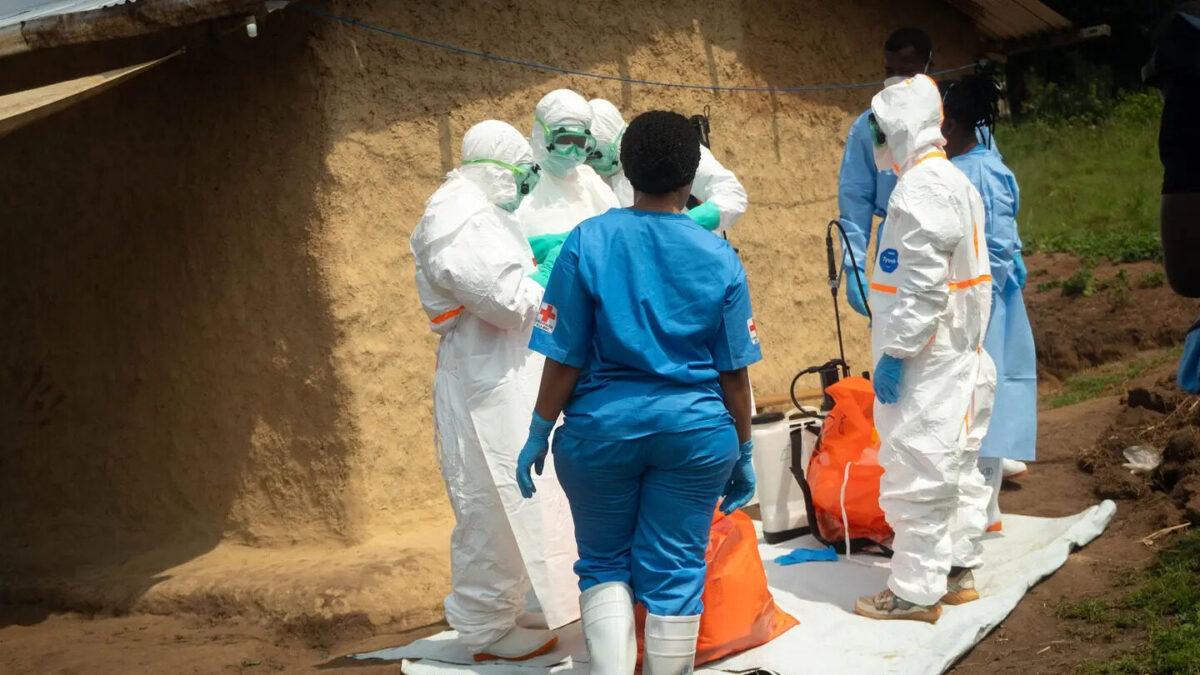
Scientists studying a rare Ebola virus in the Democratic Republic of Congo have found that bleeding occurs in around 5% to 10% of confirmed cases, an Africa Centres for Disease Control and Prevention official said. The outbreak has caused more than 11,000 cases and over 5,500 deaths.
The Bundibugyo virus is spreading at double the pace of the 2014-2016 Ebola outbreak in West Africa, the largest on record. No vaccines or treatments are licensed for Bundibugyo.
Experts cautioned that data is limited and difficult to collect. A humanitarian crisis in eastern Congo could also complicate comparisons with other outbreaks.
Unusual symptoms complicate detection
Ebola can cause fever, vomiting, diarrhea and, in severe cases, internal and external bleeding. Bleeding is less common in the current outbreak than in outbreaks of the more prevalent Zaire Ebola, said Yap Boum, Africa CDC’s deputy Ebola incident manager.
That can make Bundibugyo easier to mistake for illnesses such as malaria, Boum said. Tests designed for other Ebola species do not detect Bundibugyo, adding to early diagnostic challenges.
Around 70% of patients are still dying in their communities rather than health care centers. The outbreak was declared in May, though the World Health Organization and Africa CDC believe transmission may have begun months earlier.
Jean-Jacques Muyembe, who heads Congo’s National Institute for Biomedical Research and co-discovered Ebola, said bleeding was also occurring later in the illness for some patients.
Children face higher fatality rate
Young children more often have gastrointestinal symptoms than fever, complicating early diagnosis and treatment, said Catherine Smallwood, the World Health Organization’s Ebola incident manager. That could help explain why children are disproportionately affected, she said.
There have been 1,207 confirmed cases among children under 5, and 844 have died, according to Congo’s health ministry and the World Health Organization. The adult fatality rate is around 50%.
Researchers also want to know how common mild infections are and what long-term effects survivors face. Around 700 survivors have enrolled in a study and support schemes, the World Health Organization said.
Genomic sequencing shows Bundibugyo is not changing rapidly or becoming more transmissible. Experts said prompt access to good care greatly improves the chance of survival.
Standard measures, including isolating patients, have helped control the outbreak in some early hotspots. The virus appears to spread only when patients have symptoms.
A trial is assessing whether Merck’s Ervebo vaccine, developed against Zaire Ebola, might protect against Bundibugyo. New vaccines made specifically for Bundibugyo will also enter trials, while medics test antivirals and treatments from Gilead Sciences and Mapp Biopharmaceutical in Congo.
 Take the quizWhat Kind of Holiday Spender Are You? Take the Black Friday QuizStart →
- 1Stock Market Today: Dow Slides 1.34% and VIX Jumps 15% at Midday

- 2Joachim Klement to Sell Stocks After S&P 500 Signal

- 3Stock Market Today: Nasdaq, S&P 500 Futures Slide as AI Selloff Deepens

- 4Kenneth Walker’s Groin Injury Puts Cardinals Game in Doubt

- 5Pat Cummins Faces Captaincy Doubts From Mitchell Johnson

 Lifestyle · Food & HealthNormal Blood Pressure Chart by Age: Healthy Ranges Explained
 Lifestyle · Food & HealthWhat Is Raynaud’s Syndrome? Why Fingers Turn White in the Cold
 Lifestyle · Food & Health4 Ways Walking After Meals Helps Your Body, Doctors Say
 Lifestyle · Food & Health4 Reasons to Eat Oatmeal, According to Nutrition Experts