US Measles Cases Reach Highest Annual Total Since 1991
The United States has lost its measles elimination status after at least 12 months of continuous spread. Federal health officials confirmed 5,412 cases this year as of November 12, while state officials reported at least 11 measles-related deaths.
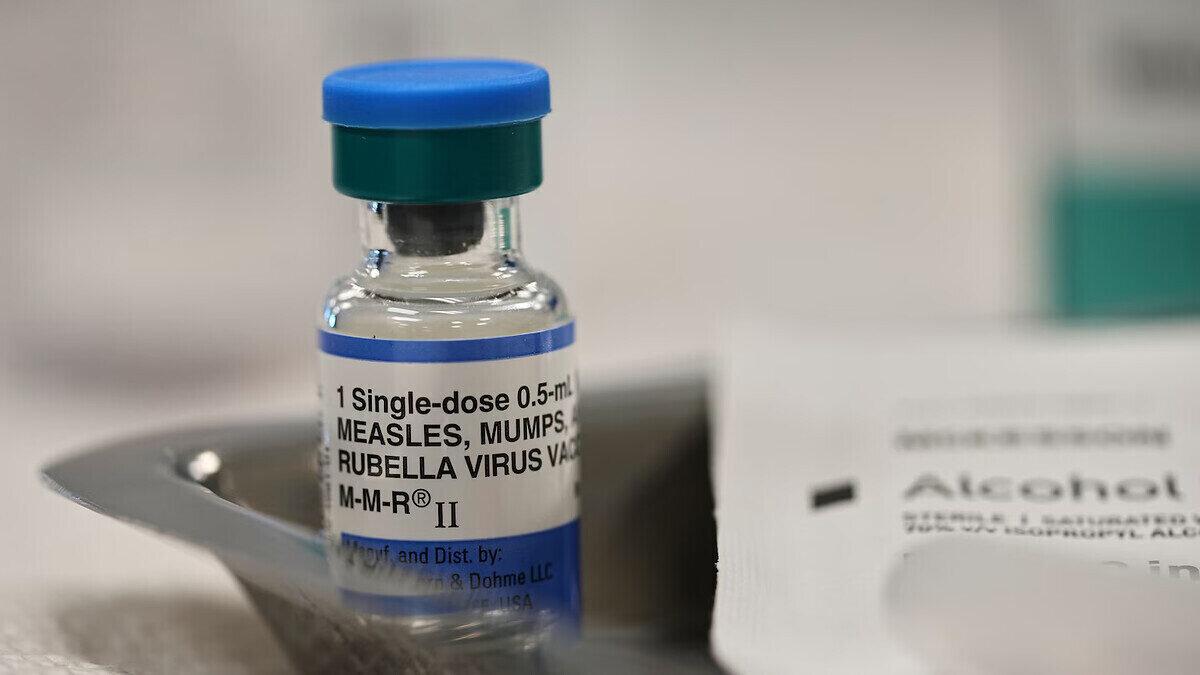
US measles cases have reached their highest annual total in 35 years, and the country has lost its elimination status after at least 12 months of continuous spread. The Centers for Disease Control and Prevention confirmed 5,412 cases this year as of November 12, nearly twice the 2025 total.
The Pan American Health Organization announced the loss of elimination status, which the United States had held since 2000. Earlier outbreaks often began with infections brought from abroad but did not continue spreading for as long.
State health officials have reported at least 11 measles-related deaths this year. They include a 7-month-old in New York. Pennsylvania has announced its eighth measles-related death.
James Campbell, chair of the American Academy of Pediatrics Committee on Infectious Diseases, called the reversal “a completely preventable tragedy.”
Vaccination protects against serious illness
Measles is highly contagious and can cause serious illness at any age. Babies and young children face a greater risk of complications, including pneumonia and encephalitis, an inflammation of the brain.
About 1 in 5 unvaccinated people who contract measles are hospitalized, according to the CDC. Research has also found that measles can erase 11 to 73 percent of children's antibodies against other infections.
Two doses of the measles, mumps and rubella vaccine, known as MMR, generally provide lifetime immunity. People who have completed the two-dose MMR series do not need a measles booster.
People born before 1957 are generally presumed immune because they were likely exposed as children. A confirmed previous measles infection also counts as evidence of immunity.
A small number of adults vaccinated between 1963 and 1967 received a less effective, inactivated vaccine. The CDC recommends the current MMR vaccine for them if they can safely receive it, including when they do not know which version they received.
Children and travelers may need doses
Children usually receive their first MMR dose at 12 to 15 months and their second at 4 to 6 years. Children ages 1 to 4 in outbreak areas may be able to receive the second dose early, Campbell said.
The second dose should follow the first by at least 28 days. Babies 6 to 11 months old may need an early dose before international travel or in an outbreak area.
Those infants still need two doses after turning 1, said Kisha Davis, president of the American Academy of Family Physicians. Infants under 6 months are too young to be vaccinated.
Two doses are recommended for health care workers, international travelers and people in close contact with someone who is immunocompromised. A second dose may also be recommended during a local outbreak.
Anyone who may have been exposed should call a doctor promptly and alert clinic staff before arriving. Depending on age and immunity, a provider may recommend an MMR dose within 72 hours or immune globulin within six days.
Immune globulin contains antibodies that can help prevent measles or make illness less severe, said William Schaffner, a professor of infectious diseases at Vanderbilt University Medical Center.
 Take the quizWhat Kind of Holiday Spender Are You? Take the Black Friday QuizStart →
- 1Stock Market Today: Dow Slides 1.34% and VIX Jumps 15% at Midday

- 2Joachim Klement to Sell Stocks After S&P 500 Signal

- 3Stock Market Today: Nasdaq, S&P 500 Futures Slide as AI Selloff Deepens

- 4Kenneth Walker’s Groin Injury Puts Cardinals Game in Doubt

- 5Pat Cummins Faces Captaincy Doubts From Mitchell Johnson

 Lifestyle · Food & HealthNormal Blood Pressure Chart by Age: Healthy Ranges Explained
 Lifestyle · Food & HealthWhat Is Raynaud’s Syndrome? Why Fingers Turn White in the Cold
 Lifestyle · Food & Health4 Ways Walking After Meals Helps Your Body, Doctors Say
 Lifestyle · Food & Health4 Reasons to Eat Oatmeal, According to Nutrition Experts