UK and EU Agree Trade and Youth Travel Deals
Britain and the European Union have agreed to remove food trade checks, link carbon markets and expand opportunities for young people to live and work abroad. The Brussels summit left university fees and other trade rules unresolved, with further negotiations ahead.
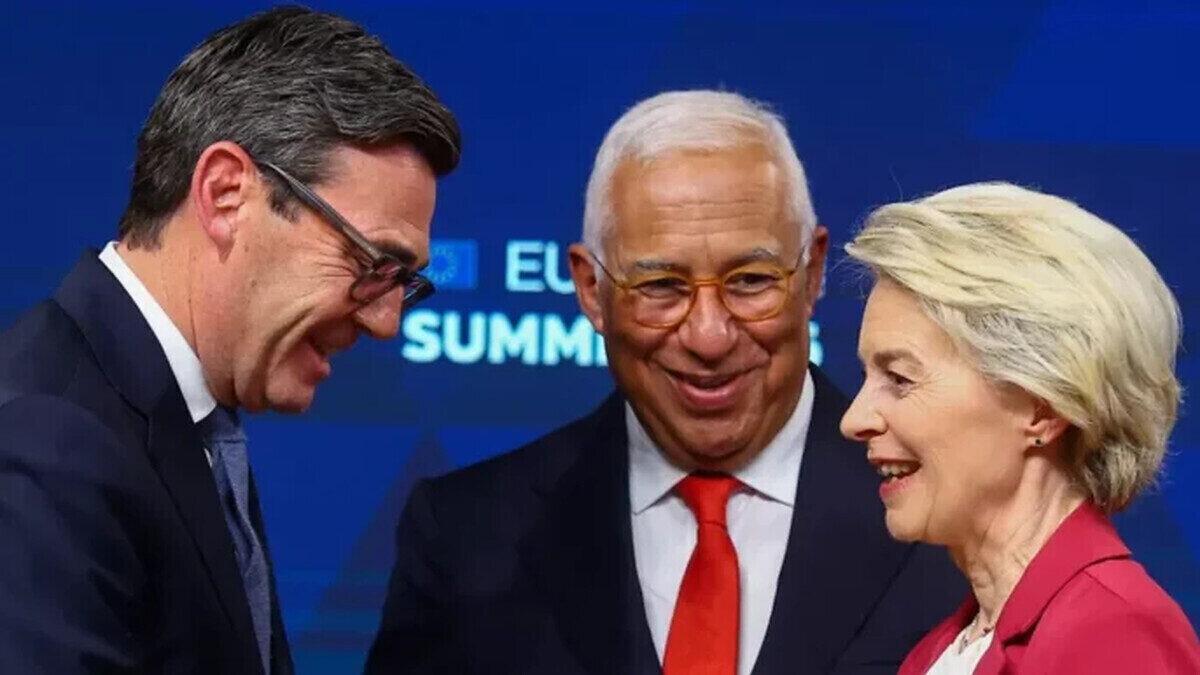
Britain and the European Union agreed on November 20 to cut trade barriers and expand youth travel, easing some restrictions between major trading partners. The deals will remove checks on plant and animal products and allow 100,000 young adults from each side to live and work abroad.
The agreements, announced after a summit in Brussels, also link the two sides’ carbon markets. That will reduce carbon taxes on some exports, according to their joint statement.
Young adults covered by the arrangement will be able to live and work in the other’s countries for up to three years.
Food checks and carbon taxes cut
British retailers welcomed the agreement to remove checks on food and agricultural products. The change will make it cheaper and easier for UK businesses to export to Europe.
Alex Freudmann, managing director of food at Marks and Spencer, said moving spaghetti bolognese from Lincolnshire to a Dublin shelf currently requires extra miles, paperwork and a veterinarian’s signature.
Freudmann called the announcement “a major step forward.”
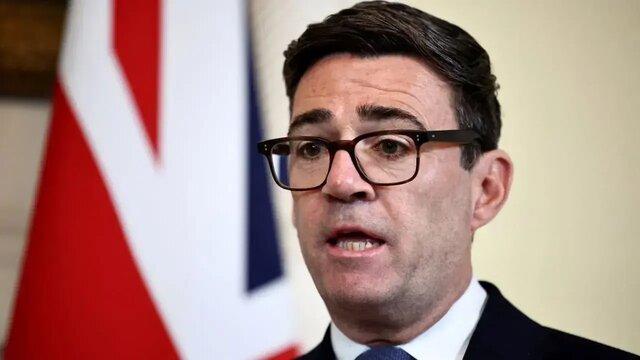
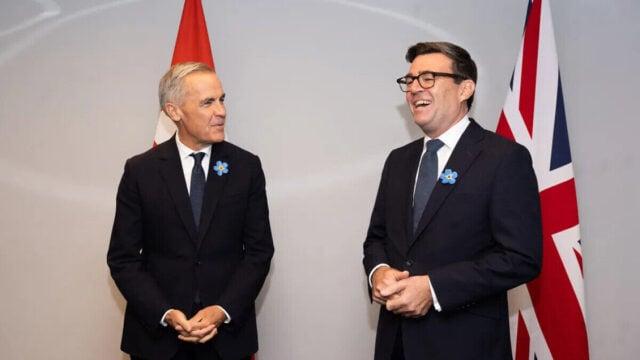
UK Prime Minister Andy Burnham said the package could bring in £17 billion a year and add 0.5% to Britain’s economic output. He said it would help keep supermarket prices down and create opportunities for young people.
European Commission President Ursula von der Leyen called the deal “a turning point” in relations. Burnham described it as a “historic moment.”
University fees still unresolved
The UK and EU gave themselves six months to agree on university fees for students studying in each other’s countries. EU negotiators want European students in Britain to pay domestic rather than higher international fees, a proposal the UK has resisted.
Talks also continue on Britain’s request to join the bloc’s “made in Europe” rules. Those rules favor European manufacturers over competitors from China and elsewhere for public projects.
The summit was the second between the UK and EU since Britain left the bloc. Further negotiations are expected on issues including electricity markets and manufacturing rules.
Rejoining remains an option
Burnham has said all options for future relations should be considered, including rejoining the 27-nation bloc. He has stressed that reversing Brexit is only one possible outcome and is far from imminent.
Rejoining would require support from British voters and unanimous backing from the EU. European Council President Antonio Costa said the bloc remained open to the closest possible relationship.
Costa also pointed to the obligations of membership, including the single-market principles covering the free movement of goods, services, people and capital.
 Take the quizWhat Kind of Holiday Spender Are You? Take the Black Friday QuizStart →
- 1Stock Market Today: Dow Slides 1.34% and VIX Jumps 15% at Midday

- 2Joachim Klement to Sell Stocks After S&P 500 Signal

- 3Kenneth Walker’s Groin Injury Puts Cardinals Game in Doubt

- 4Stock Market Today: Nasdaq, S&P 500 Futures Slide as AI Selloff Deepens
- 5Pat Cummins Faces Captaincy Doubts From Mitchell Johnson

 Lifestyle · Food & HealthNormal Blood Pressure Chart by Age: Healthy Ranges Explained
 Lifestyle · Food & HealthWhat Is Raynaud’s Syndrome? Why Fingers Turn White in the Cold
 Lifestyle · Food & Health4 Ways Walking After Meals Helps Your Body, Doctors Say
 Lifestyle · Food & Health4 Reasons to Eat Oatmeal, According to Nutrition Experts