Why Cybersecurity Training Alone Fails to Stop Phishing Clicks
A Royal Mail Group cyber director argues that employees click phishing emails because of urgency, authority, fatigue, convenience and incentives, not ignorance. Redesigning workflows, he says, will do more than another awareness module. A Dallas firm meanwhile adds AI governance to its courses.
More cybersecurity training will not stop employees clicking phishing emails, according to a security director at Royal Mail Group. In an opinion piece for TechRadar Pro Perspectives, the Cyber Advisory and Application Security Director argues that the cause is workplace pressure, not a lack of knowledge.
The author opens with a familiar scene. It is 4:50pm on a Friday, and an email from a senior colleague demands an urgent payment approval. The domain feels slightly off, but the employee has thirty other tasks. They click, and approval is sent.
Five pressures that override knowledge
The author lists five forces that push good decisions toward bad ones. Urgency shrinks the time to think. Authority lends a request borrowed credibility. Fatigue erodes judgment over a long day.
Convenience rewards the faster path over the safer one. Incentives mean staff are measured on how quickly they ship, close or approve, not on how many suspicious emails they ignored. Combine two or three, the author says, and the outcome "is not a mystery."
The same logic applies to multi-factor authentication (MFA) fatigue. An employee hit with a dozen prompts at midnight may approve one just to stop the noise, even knowing unsolicited prompts should be refused.
Redesign the process, not the person
Telling staff to "be more vigilant" asks them to beat all five pressures on willpower alone, the author writes. Workplaces often reward speed, and challenging a senior colleague's request can damage a reputation.
The proposed fix is structural. Payment approval workflows should stop urgency from bypassing verification, whatever the sender's title. MFA should resist fatigue by design. The approved route should be fast enough that the unapproved one stops tempting people.
The author says the goal is to "make the safe decision the easiest credible decision available." Training still matters, because nobody can spot a threat they cannot recognize. But the author says organizations should close the knowledge gap and the decision gap too.
Training firms add AI governance
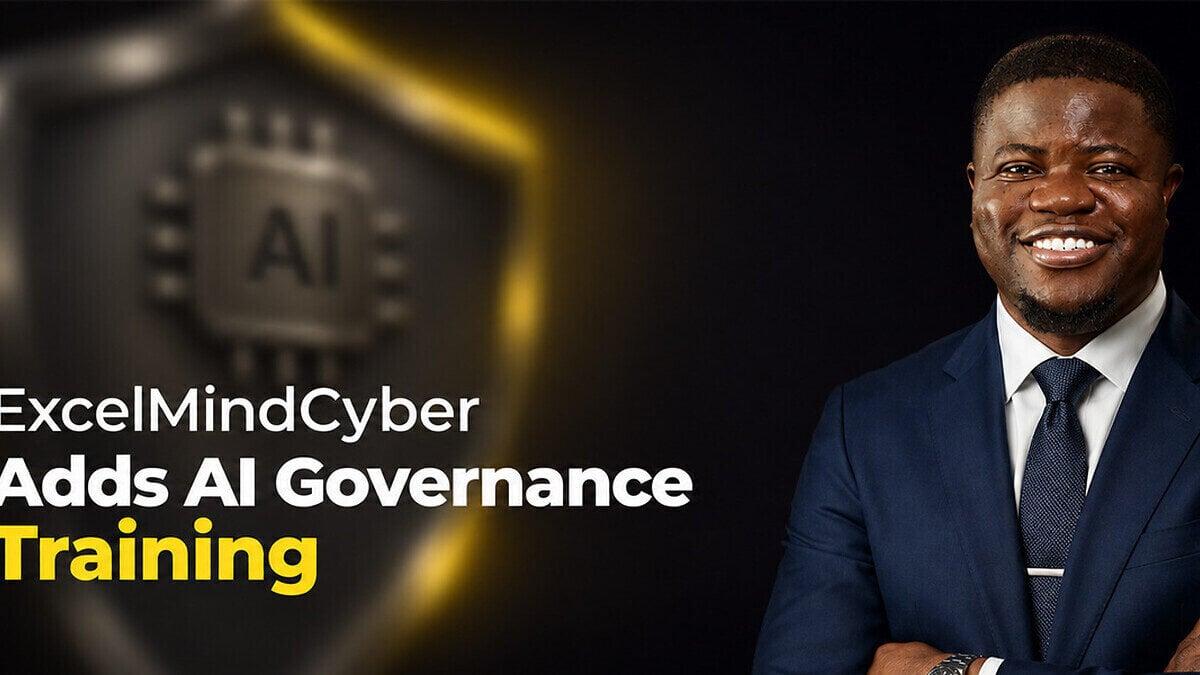
Elsewhere in the training market, Chicago-based ExcelMindCyber said on November 23, 2026 that it has added AI governance to its courses. Founder Tolulope Michael said, "Every company is buying AI. Very few know how to control it."
The company cited the PEX Report 2025/26, which found that only 43% of organizations have a formal AI governance policy. ExcelMindCyber was founded in 2022 and says it has helped more than 1,000 people with no IT background move into cybersecurity. It reports a 94% first-attempt pass rate for its students.
 Take the quizWhat Kind of Holiday Spender Are You? Take the Black Friday QuizStart →
- 1Dow Futures Jump 1.5% as Wall Street Tries to Rebound From Rout

- 2Nasdaq Falls Into Correction as Buffett’s Crash Advice Resurfaces

- 3Google Urged to Take Down Russell Brand Prison Video on YouTube

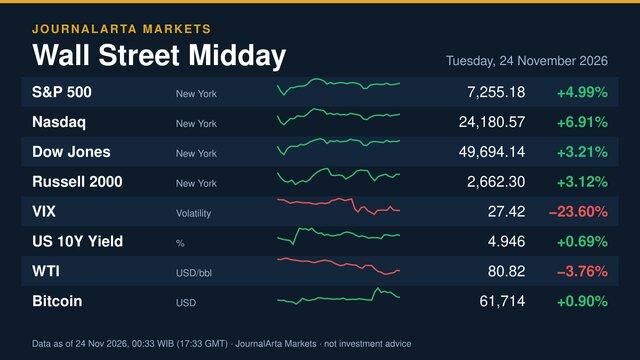
- 4Stock Market Today: S&P 500 Surges 4.99% and Nasdaq 6.91% at Midday as VIX Slides
- 5Croydon Mayor Backs Rail Fix to Become South England Nightlife Hub by 2040

 Lifestyle · Food & HealthCold vs Flu vs RSV: How to Tell the Difference by Symptoms, Speed and Duration
 LifestyleWhy Do Long Lines Make People Curious? 5 Reasons We Join the Crowd
 Technology · Apps & SoftwareHow to Secure a Home Wi-Fi Network: 7 Steps Cybersecurity Agencies Recommend
 Lifestyle · Food & HealthHigh Blood Pressure: Symptoms, Readings and 5 Ways to Lower It, Experts Say