ISMH Semiconductor ETF Holds 25 Non-US Chip Companies
The xETFs International Semiconductor Index ETF trades on Nasdaq and tracks an index of 25 non-US chip companies. The fund charges a 0.65% expense ratio and expects significant exposure to Asian issuers and emerging markets, where investors face currency, political and trading risks.
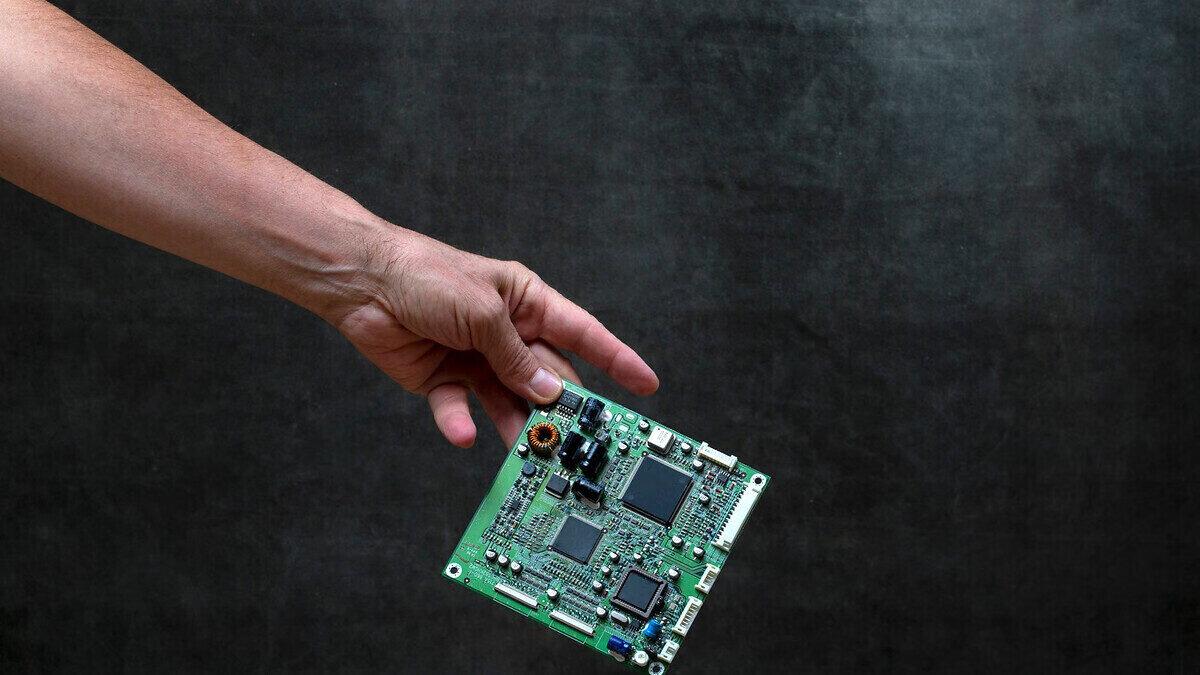
The xETFs International Semiconductor Index ETF holds 25 non-US semiconductor companies and trades on Nasdaq. The passively managed semiconductor ETF tracks the VettaFi International Semiconductor Index and charges a 0.65% expense ratio, according to its prospectus.
The fund expects significant exposure to Asian issuers and emerging markets, where much of the world's chip manufacturing and equipment supply chain is concentrated. Its filing flags risks tied to US-China trade tensions, the Taiwan Strait dispute and regional political instability.
The fund's non-US focus differs from broader global semiconductor funds, which tend to be heavily weighted toward US companies. ISMH also brings currency and emerging market risks.
Index Caps Its Largest Holdings
ISMH selects 25 companies by full market capitalization, the total market value of their shares. The index weights holdings by the market value of shares available for trading, with an 18% cap on any single security.
The index also limits the combined weight of holdings above 5% to 45%. It redistributes excess weight proportionally among constituents.
Companies qualify if they earn at least 50% of revenue from semiconductor-related activities. Those activities include chip design, manufacturing, testing, packaging, distribution, equipment, design software and materials.
A company can also qualify with at least 25% of revenue from those activities and a top-five industry market share ranking. Liquidity screens include a minimum $1 million average daily trading volume over the trailing three months.
The index rebalances semi-annually in March and September. It reconstitutes in June and December and reweights quarterly.
Foreign Holdings Bring Trading Risks
ISMH's 25-stock portfolio is classified as non-diversified, so individual company performance can have an outsized effect on returns. Emerging market holdings also bring volatility, liquidity constraints and regulatory uncertainty.
The filing flags risks associated with the fund's small size. Higher relative fixed costs and trading inefficiencies are possible until assets grow.
Investors may face wider bid-ask spreads, the gap between the prices offered to buy and sell shares. The fund's early-stage liquidity profile may affect that gap.
ISMH shares can trade at a premium or discount to the fund's net asset value, the value of its assets after liabilities. Its underlying holdings trade on foreign exchanges in different time zones.
ETF shares trade at market prices, which may differ from net asset value. Brokerage commissions may also apply and reduce returns.
 Take the quizWhat Kind of Holiday Spender Are You? Take the Black Friday QuizStart →
- 1Dow Futures Jump 1.5% as Wall Street Tries to Rebound From Rout

- 2Nasdaq Falls Into Correction as Buffett’s Crash Advice Resurfaces

- 3Wall Street slips as chip selloff drags Nasdaq lower, but Dow rises
- 4Fed, Broadcom and Micron Make Dec. 9 a Big Day for Stocks

- 5Dow futures slip as AI stocks give back Nvidia’s rally
 Lifestyle · Food & HealthCold vs Flu vs RSV: How to Tell the Difference by Symptoms, Speed and Duration
 LifestyleWhy Do Long Lines Make People Curious? 5 Reasons We Join the Crowd
 Technology · Apps & SoftwareHow to Secure a Home Wi-Fi Network: 7 Steps Cybersecurity Agencies Recommend
 Lifestyle · Food & HealthHigh Blood Pressure: Symptoms, Readings and 5 Ways to Lower It, Experts Say