Australia inflation rises to 4.9% as electricity costs jump
Australian inflation rose to 4.9% in the year to October as fuel costs climbed and electricity rebates ended. Treasurer Jim Chalmers said inflation would be the primary influence on the government's budget update, while economists weighed the pressure on interest rates.

Australia's annual inflation rate rose to 4.9% in October from 4.3% in September, the Australian Bureau of Statistics reported. Higher fuel costs and the end of electricity rebates helped drive the increase, adding to pressure on household budgets.
Power prices jumped. Electricity cost 25% more than a year earlier, while fuel costs rose 6.3% in October.
The annual inflation rate was nearly double the Reserve Bank's official target of 2.5%.
Electricity rebates end
Rachael McCririck, the statistics bureau's head of price statistics, said the rise in power bills reflected the end of government subsidies. Those subsidies had reduced household electricity costs the previous year.
McCririck said removing the effects of temporary shocks gave a better picture of underlying price pressures. That measure also increased.
The Reserve Bank's preferred trimmed mean measure, which removes the most volatile prices, rose to 3.8%. Economists had expected it to remain at 3.6%.
Chalmers prepares budget update
Treasurer Jim Chalmers said inflation was the primary influence on the budget update the government would finalize in the coming weeks and release in December.
“We will respond with substantial savings and we have already announced additional cost of living help this week,” Chalmers said.
He referred to the government's announcement that the $25 price cap on PBS medicines would be extended to the end of the decade.
The inflation report followed Chalmers' warning in parliament that economic conditions would get worse before they got better.
Stephen Smith, a partner at Deloitte Access Economics, said the figures highlighted a difficult balance for the federal government. He said the treasurer faced pressure to cut enough to ease inflation while avoiding harm to an economy close to a downturn.
Reserve Bank faces rate decision
Brendan Rynne, chief economist at KPMG, said inflation and unemployment were both accelerating to 4.9%. He did not expect a sixth interest rate increase at the Reserve Bank's final board meeting of the year.
“Today’s inflation jump is not the kind of spike the RBA will be wanting to see, but it’s still unlikely to result in a further rate rise this year,” Rynne said.
KPMG expected the bank to hold rates until February while it assessed the figures in the meantime, he said.
Before the inflation release, financial markets had been pricing in a Reserve Bank rate cut by August.
Analysts are hopeful that inflation will ease through 2027 and fall below 3% in 12 months' time as this year's shocks fade.
 Take the quizWhat Kind of Holiday Spender Are You? Take the Black Friday QuizStart →
- 1Dow Futures Jump 1.5% as Wall Street Tries to Rebound From Rout
- 2Nasdaq Falls Into Correction as Buffett’s Crash Advice Resurfaces
- 3Wall Street slips as chip selloff drags Nasdaq lower, but Dow rises
- 4Fed, Broadcom and Micron Make Dec. 9 a Big Day for Stocks
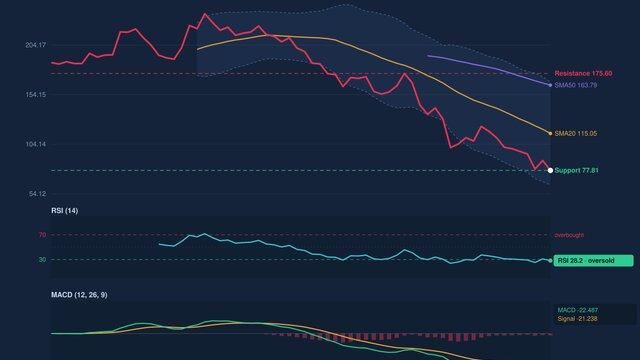
- 5Sandisk stock tests 77.81 support, with 74.87 the floor below
 Lifestyle · Food & HealthCold vs Flu vs RSV: How to Tell the Difference by Symptoms, Speed and Duration
 LifestyleWhy Do Long Lines Make People Curious? 5 Reasons We Join the Crowd
 Technology · Apps & SoftwareHow to Secure a Home Wi-Fi Network: 7 Steps Cybersecurity Agencies Recommend
 Lifestyle · Food & HealthHigh Blood Pressure: Symptoms, Readings and 5 Ways to Lower It, Experts Say