LNG Canada & West Coast Gas Supply Chain: CER & Freight
An energy logistics analysis of LNG Canada's Kitimat export terminal, 670 km Coastal GasLink pipeline, CER export licensing, and Pacific shipping advantages.
LNG Canada at Kitimat, British Columbia reshapes Pacific gas logistics by linking Montney Basin reserves to Northeast Asia in roughly half the sailing time of US Gulf Coast cargoes. Backed by a 14 MTPA Phase 1 baseline, a planned 28 MTPA Phase 2 doubling, and the 670-kilometre Coastal GasLink pipeline, the corridor alters AECO basis economics and Asian buyer diversification.
- Terminal Scale: LNG Canada Phase 1 comprises two liquefaction trains producing 14 million tonnes per annum (MTPA), or roughly 1.84 Bcf/d, with Phase 2 adding another 14 MTPA to reach 28 MTPA.
- Feedstock Corridor: Coastal GasLink spans 670 kilometres from Dawson Creek in northeastern BC to Kitimat, carrying Montney natural gas across northern British Columbia.
- Federal Export Oversight: The Canada Energy Regulator (CER) administers long-term 40-year LNG export licences and monitors Western Canadian Sedimentary Basin (WCSB) supply adequacy.
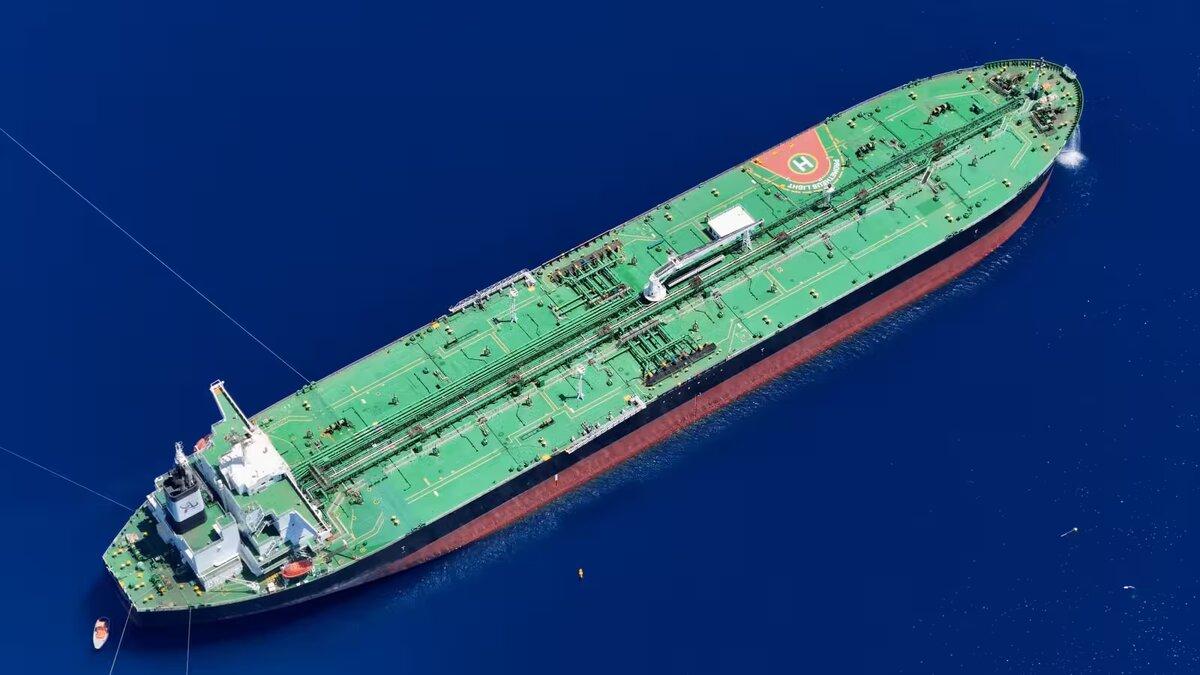
- Shipping Advantage: Ice-free deep-water access at Kitimat avoids Panama Canal congestion and cuts Pacific transit distances compared with Sabine Pass or Corpus Christi.
Kitimat Terminal Architecture and Coastal GasLink Feedstock
Unlike US Gulf Coast export plants that pull gas from interconnected interstate grids, LNG Canada depends on a dedicated upstream-to-port artery. Natural gas produced in the Montney formation enters the 48-inch Coastal GasLink pipeline near Dawson Creek and travels 670 kilometres west to Kitimat's liquefaction trains.
Because Phase 1 consumes approximately 1.84 Bcf/d at full utilisation, the terminal absorbs a substantial slice of Western Canadian Sedimentary Basin output that previously competed solely for mid-continent US pipeline capacity. Joint-venture partners (Shell, Petronas, PetroChina, Mitsubishi Corporation, and KOGAS) each lift their equity share of cargoes directly, aligning upstream production with Asian utility demand.
Upstream producers and terminal operators are also integrating emissions-reduction engineering to stay competitive against stricter East Asian carbon border standards, building on Canada CCUS investment tax credit supply chain rules.
Supply Chain Metrics: LNG Canada vs US Gulf Coast
For Japanese, South Korean, and Southeast Asian procurement desks, landed LNG cost depends on three variables: upstream gas basis (AECO/Station 2 vs Henry Hub), liquefaction tolling and power efficiency, and maritime charter days. The table below summarises the verified structural parameters of the Kitimat corridor.
| Supply Chain Parameter | LNG Canada (Kitimat, BC) | US Gulf Coast Benchmark | Strategic Impact for Buyers & Producers |
|---|---|---|---|
| Licensed Export Capacity | 14 MTPA Phase 1 (~1.84 Bcf/d); Phase 2 adds +14 MTPA (28 MTPA total) | Multiple 10–30+ MTPA terminals across Texas and Louisiana | Diversifies Pacific supply away from single-basin US Gulf weather and canal risks |
| Primary Feedstock Pipeline | 670 km Coastal GasLink (48-inch, Montney Basin to Kitimat) | Interconnected Henry Hub / Permian interstate pipeline network | Directly relieves AECO and BC Station 2 stranded-gas discounts |
| Regulatory Regime | CER 40-year export licence + BC Environmental Assessment Office | US DOE non-FTA export authorisation + FERC siting approval | Long-dated 40-year federal licence certainty for multi-decade offtake |
| Pacific Maritime Transit | Direct North Pacific route from ice-free Kitimat port (~10–12 sailing days to Japan/Korea) | Panama Canal transit or Cape of Good Hope routing (~20–30+ days) | Lower vessel charter days, reduced boil-off loss, and zero Panama Canal wait fees |
CER Tolls, AECO Basis, and Industrial Bottlenecks
While Kitimat's maritime geography is favourable, domestic midstream bottlenecks still dictate producer netbacks. Historically, constrained egress out of Alberta and northeastern BC forced AECO and Station 2 spot prices into steep discounts relative to Henry Hub, occasionally dropping near zero during summer maintenance windows. By pulling up to 1.84 Bcf/d westward in Phase 1 and potentially 3.68 Bcf/d under a full 28 MTPA build-out, LNG Canada provides a structural outlet that tightens Western Canadian basis differentials and anchors multi-decade upstream drilling economics. Producers must still model CER-regulated pipeline tolls alongside liquefaction fees to protect delivered netbacks. Expansion on legacy systems such as Enbridge's Westcoast pipeline and Nova Gas Transmission Ltd. (NGTL) determines how smoothly Montney and Horn River gas reaches Coastal GasLink without triggering localised price spikes or maintenance curtailments.
At the same time, Natural Resources Canada tracks multiple proposed West Coast export projects, yet Phase 2 of LNG Canada, using electric-drive or high-efficiency Baker Hughes liquefaction turbines powered by BC Hydro's clean grid, faces strict provincial power-allocation limits. Securing firm megawatts for electrified compression remains a central capital constraint across British Columbia's industrial corridor.
Downstream importers in Singapore and Northeast Asia weigh these Canadian reliability factors alongside Middle Eastern and Australian contracts, as examined in Asian LNG supply routes and buyer risks.
From a port-operations standpoint, Kitimat's deep-water Douglas Channel berth accommodates Q-Flex and conventional 174,000-cubic-metre LNG carriers without tidal draft restrictions, reducing demurrage risk during North Pacific winter storms compared with congested Gulf Coast ship channels.
Strategic Implications for Asian Buyers and WCSB Producers
Asian utilities and industrial gas buyers seeking to reduce Panama Canal exposure and lower upstream Scope 1 methane intensity should benchmark Kitimat-linked FOB or DES contracts against US Gulf Coast Henry Hub formulas. Shorter round-trip voyage times reduce fleet size requirements for portfolio shippers, freeing LNG carriers during winter peak demand. Conversely, Western Canadian producers must lock in firm NGTL and Coastal GasLink transport capacity rather than relying on spot Station 2 pricing, while monitoring BC Hydro transmission upgrades that will determine the timeline and power cost of Phase 2's 28 MTPA expansion.
 Take the quizWhat Kind of Holiday Spender Are You? Take the Black Friday QuizStart →





 LifestyleWhy Do Long Lines Make People Curious? 5 Reasons We Join the Crowd
 Technology · Apps & SoftwareHow to Secure a Home Wi-Fi Network: 7 Steps Cybersecurity Agencies Recommend
 Lifestyle · Food & HealthHigh Blood Pressure: Symptoms, Readings and 5 Ways to Lower It, Experts Say
 Lifestyle5 Subtle Signs You Still Feel Lonely Even in a Crowded Room