Australia’s largest companies put 5,200 jobs at risk
Australian companies have announced plans to cut or change a combined 5,200 roles in three weeks, as unemployment rises and inflation remains above target. Business leaders and economists say higher interest rates are weighing on demand and hiring decisions.
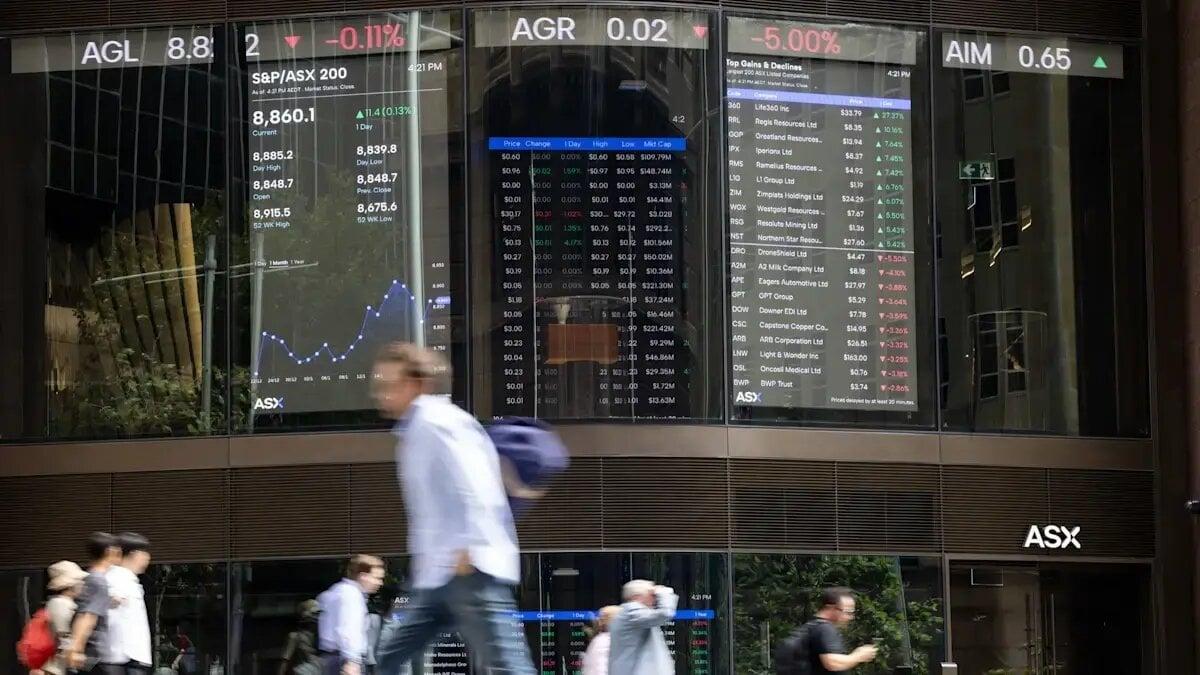
Australian companies have put a combined 5,200 jobs at risk in three weeks, announcing plans to cut or change roles as unemployment rises and inflation remains above target. The announcements span retailers, banks, airlines and technology businesses.
David Jones, Qantas, Bunnings, Canva, Woodside Energy, KPMG, Westpac and General Pants have announced role changes or cuts in November. The combined figure represents jobs at risk, not necessarily positions already lost.
Unemployment unexpectedly rose to 4.9%. Inflation stands at 4.3%, above the central bank’s target, while wages have gone backwards over the past year.
Rate rises weigh on hiring
Five interest rate increases this year have affected employment and hiring decisions, said Andrew McKellar, chief executive of the Australian Chamber of Commerce and Industry. Higher rates dampen consumer demand and raise financing costs for businesses, he said.
McKellar warned that a prolonged slowdown can affect hiring and lead some sectors to shed jobs. He said there are already signs of that happening.
AMP economist My Bui said job cuts among industry leaders were “certainly worrying” and pointed to a weaker labor market next year.
Mortgage rate increases hit consumers particularly hard during downturns, Bui said. She identified retail and banking as consumer-facing industries suffering job losses.
Central bank forecasts higher unemployment
The Reserve Bank of Australia has forecast unemployment will reach 5.1% by the end of 2028. Higher unemployment can be a sign that the central bank’s effort to reduce inflation is working.
Reserve Bank Governor Michele Bullock acknowledged earlier in November that people could “feel like it’s a recession because they feel poorer.” She said reducing inflation remained the board’s priority.
“Returning inflation to target is our priority, and we will do what is necessary to achieve that,” Bullock said.
Markets expect the central bank to hold rates at its final meeting of the year in December. New inflation data could change that expectation.
Economists warn of recession risk
Australia is still recording economic growth, though the pace has slowed each quarter since the December quarter. Growth fell from 2.6% in the December quarter to 2.1% in the June quarter.
Bui estimated the probability of a recession had risen to around 30% to 35%, from a baseline of 10% at the beginning of the year. She said a decline in economic output per person could occur over the next year.
Independent economist Saul Eslake warned that a recession indicator used to predict every US recession since 1970 could be triggered in Australia early next year.
McKellar also called on the federal government to ease restrictions on businesses and abandon its tax changes. The last of those changes will go before parliament during its final sitting days of the year.
 Take the quizWhat Kind of Holiday Spender Are You? Take the Black Friday QuizStart →




 Markets · FintechHow to Calculate Compound Interest: Formula, Examples and the Rule of 72
 Lifestyle · Food & HealthNormal Blood Pressure Chart by Age: Healthy Ranges Explained
 Lifestyle · Food & HealthWhat Is Raynaud’s Syndrome? Why Fingers Turn White in the Cold
 Lifestyle · Food & Health4 Ways Walking After Meals Helps Your Body, Doctors Say