US Army Plans Iowa Blast Despite Court-Ordered Pause
The US Army plans to detonate five tonnes of degraded explosives at an Iowa ammunition plant by November 24, despite a federal court’s pause. Environmental groups have challenged the plan, while the Army argues that falling temperatures increase the risk of an uncontrolled explosion.
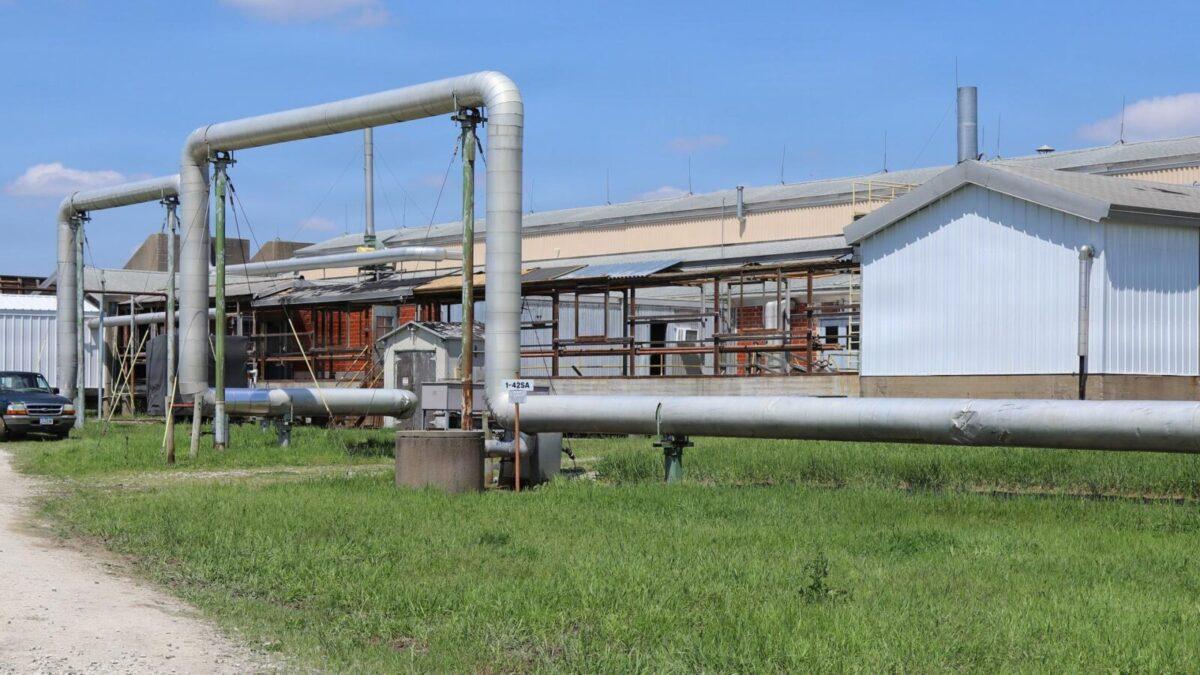
The US Army plans to detonate five tonnes of unstable explosives in Middletown, Iowa, by November 24 despite a federal court’s order to pause the blast. The Army says falling temperatures could trigger an uncontrolled explosion, according to a court filing.
Environmental groups sued to stop the detonation, citing concerns about lead dust and arguing that the Army had not considered safer alternatives. The 8th U.S. Circuit Court of Appeals granted an emergency motion to pause the demolition indefinitely.
The Army says it can proceed under an emergency munitions and explosives exclusion to its permit. It argues that public safety risks mean it does not need to follow the pause.
Army cites falling temperatures
The material is lead azide, a highly volatile compound used as a detonator. The Army said it discovered in March that material in 68 drums had begun to recrystallize.
The Army said the degraded material was too risky to move. Military and environmental officials determined that detonating it in place was the safest way to remove the explosive hazard.
In its filing, the Army warned that temperatures were expected to drop below 30 degrees Fahrenheit in the coming days. It said crystals in the waste could break as temperatures fall.
The Army also said it had removed the doors to the storage bunker while preparing for the blast, leaving the explosives more vulnerable to temperature changes.
The Environmental Protection Agency granted an emergency permit to detonate the 68 drums. It said the explosion risk “presented an imminent and substantial threat to human health and the environment.”
Groups challenge Army’s risk assessment
The Iowa Environmental Council and Sierra Club filed a new motion after the Army announced its plans. They asked the court to allow them to submit additional information before the detonation.
Their filing includes three declarations from experts and local government officials. They challenge the Army’s assessment of the risks of delay and raise concerns about public notice and potential health and environmental effects.
The Iowa Environmental Council said many residents in the risk zone did not know about the planned blast. It also raised concerns about lead exposure.
The Army originally scheduled two controlled explosions for November 20 at the Iowa Army Ammunition Plant. It later delayed them before the court intervened.
For the original date, the Army advised residents to leave their homes for six hours, including while dust settled. It also warned people in affected areas not to be outside during the detonation.
The government has not released details of the rescheduled blast.
 Take the quizWhat Kind of Holiday Spender Are You? Take the Black Friday QuizStart →





 Markets · FintechHow to Calculate Compound Interest: Formula, Examples and the Rule of 72
 Lifestyle · Food & HealthNormal Blood Pressure Chart by Age: Healthy Ranges Explained
 Lifestyle · Food & HealthWhat Is Raynaud’s Syndrome? Why Fingers Turn White in the Cold
 Lifestyle · Food & Health4 Ways Walking After Meals Helps Your Body, Doctors Say