COP31 Climate Talks Collapse After EU Rejects Draft Deal
COP31 climate negotiations in Turkey ended without an agreement after the European Union and other countries rejected a draft they considered too weak. The dispute centered partly on the absence of any reference to fossil fuels and the proposed role of carbon-removal technology.
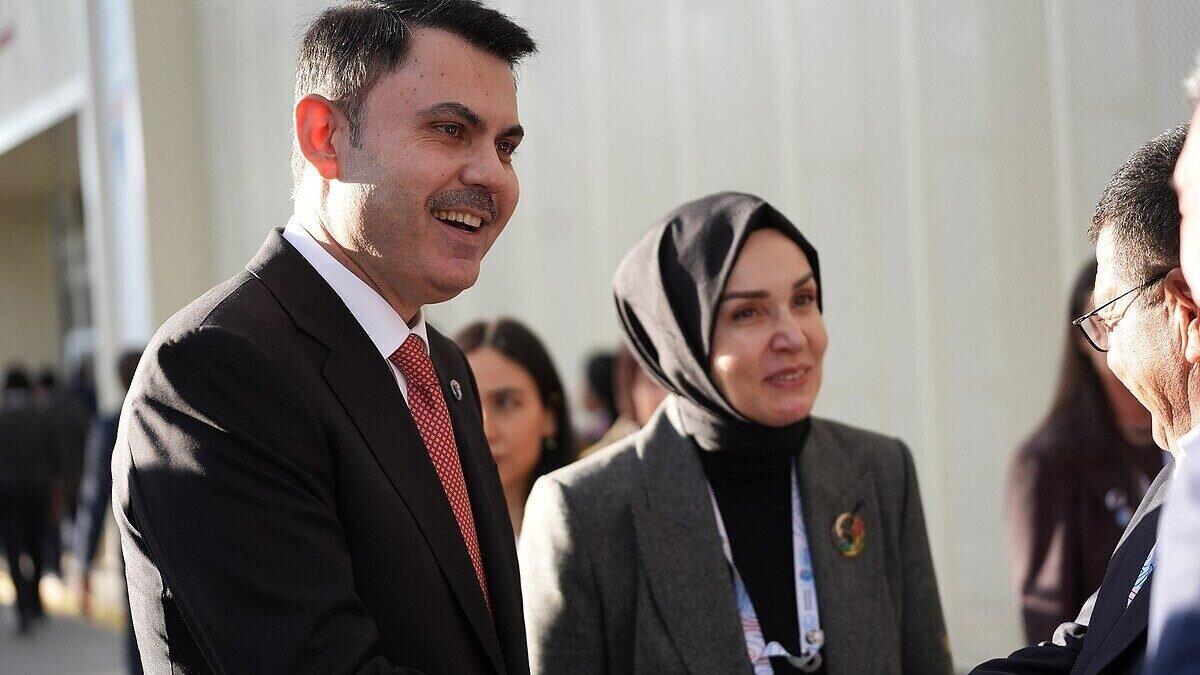
COP31 climate talks ended without a deal in Antalya, Turkey, on November 22 after the European Union and other countries rejected a final draft. The breakdown leaves countries without a new joint declaration on how to address global warming.
There was no consensus. COP31 President Murat Kurum said at the closing session that the decisions had not been adopted because some parties opposed the text.
Turkey and Australia had put forward the draft after more than two weeks of negotiations. The talks had been due to end earlier but continued into the weekend.
EU objects to fossil fuel omission
Ireland’s environment minister, Darragh O’Brien, said the European Union could not support the agreement, partly because it made no mention of fossil fuels. Scientists say fossil fuels are driving global warming.
“It is unconscionable that we would have a climate act that makes no reference to fossil fuel, no reference to transitioning away from fossil fuels,” O’Brien said.
Panama also rejected the current text, saying it did not meet the scale of the climate crisis.
The last United Nations climate talks to end without a deal adopted by all parties were held in Copenhagen in 2009.
Carbon removal divides negotiators
The proposed agreement acknowledged that global temperatures were set to exceed 1.5 degrees Celsius (2.7 degrees Fahrenheit). It called for faster development of technologies to remove carbon from the atmosphere and eventually reverse that overshoot.
Countries agreed at the Paris climate talks to try to avoid exceeding that threshold. The UN’s environmental body confirmed in October that temperatures were set to exceed it, beyond which extreme weather impacts intensify.
Observers at the summit said Saudi Arabia and other major oil-producing countries had pressed to keep explicit references to fossil fuels out of the text. They also sought to include carbon-removal technologies, the observers said.
Scientists say carbon removal, paired with steep emissions cuts, is vital to avoiding the worst effects of climate change. Critics of the draft worried its language could be used to justify continued oil production.
A Saudi delegation representative said he was surprised by resistance to technology. “It makes no sense that solutions, concrete solutions... will be taken off the table,” he told the summit.
The failure to agree on a declaration does not erase obligations from previous summits or remove the legal and technical frameworks governing international climate action.
 Take the quizWhat Kind of Holiday Spender Are You? Take the Black Friday QuizStart →




 LifestyleWhy Do Long Lines Make People Curious? 5 Reasons We Join the Crowd
 Technology · Apps & SoftwareHow to Secure a Home Wi-Fi Network: 7 Steps Cybersecurity Agencies Recommend
 Lifestyle · Food & HealthHigh Blood Pressure: Symptoms, Readings and 5 Ways to Lower It, Experts Say
 Lifestyle5 Subtle Signs You Still Feel Lonely Even in a Crowded Room