EU Rejects Climate Deal That Omits Fossil Fuels
The European Union and Panama objected to a proposed climate deal at COP31 in Turkey after the text omitted any mention of fossil fuels. The pact needs consensus from nearly 200 nations, and the objections came after talks ran a record 44 hours beyond their scheduled end.
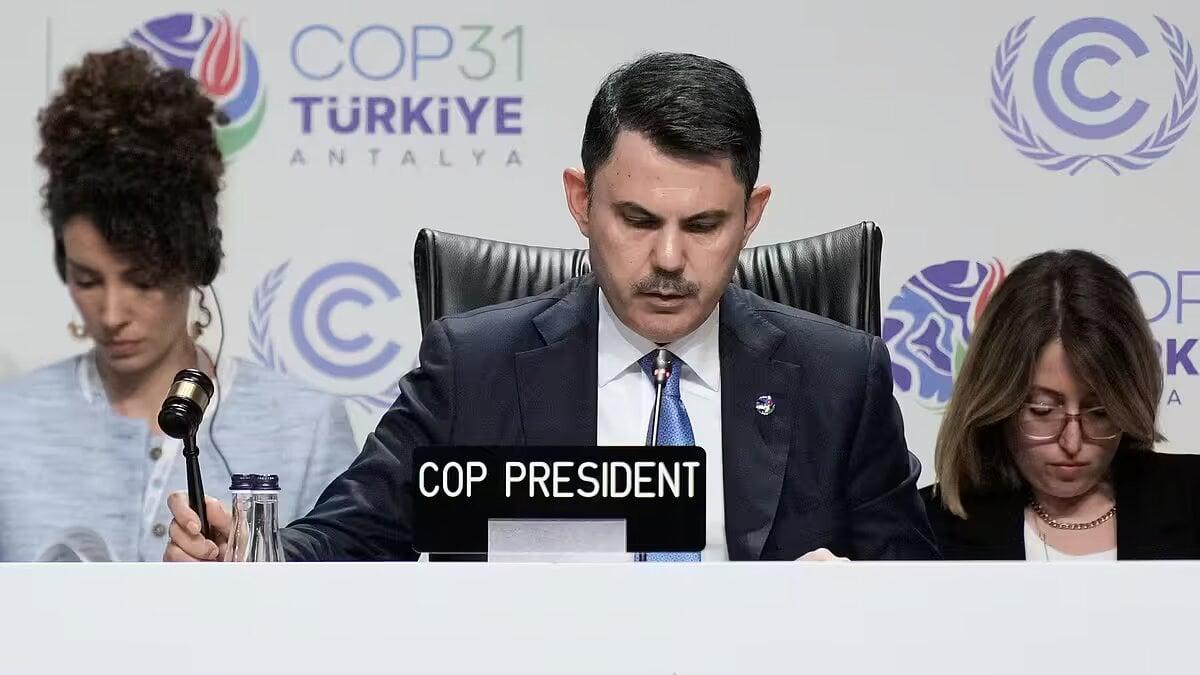
The European Union has rejected a proposed climate deal at COP31 in Turkey because it does not mention fossil fuels. Panama also objected to the pact, which needs consensus from nearly 200 nations. The objections came 44 hours after the summit’s scheduled end.
The draft made no direct reference to coal, oil or gas. The omission angered the EU and island nations threatened by rising seas.
Ireland’s Climate and Energy Minister Darragh O’Brien, whose country holds the rotating EU presidency, announced the bloc’s objection at the closing session.
“We will not endorse a cover decision, or an Antalya Pact, that does not even mention fossil fuels, which is the key driver of climate change,” O’Brien said.
Panama, which had threatened to leave the talks, also formally objected. The negotiations had run a record 44 hours past their official end.
Fossil fuel language divides nations
The latest text refers indirectly to a 2023 global deal to shift the world away from fossil fuels. It does not name the fuels themselves.
Oil-rich states including Saudi Arabia have opposed language on fossil fuels. A Saudi official declined to comment.
Turkey and Australia had convened a meeting between the EU and Saudi Arabia after threats of a walkout. The meeting did not produce a compromise.
Australia, which led negotiations, had sought an overarching political agreement recording what countries agreed at COP31. Turkey’s environment minister and COP31 president, Murat Kurum, urged countries to compromise after nearly two weeks of negotiations.
“We had negotiations and we listened to everyone patiently,” Kurum told the final session. “We wanted to give a good message to the rest of the world.”
Draft sets electricity target
The draft calls for electricity to reach 35 percent of total final energy consumption by 2035. It also calls for an expansion of clean energy, without explicitly requiring electrification to be powered by renewables.
Electrification replaces technologies that burn fossil fuels directly, such as diesel cars and gas heating, with electric alternatives. Turkey and Australia presented it as a way to reduce emissions and strengthen energy security.
The text also retains a proposed expansion of carbon capture. The fossil fuel industry supports the technology, while critics say it is costly and ineffective at cutting emissions.
Climate finance dispute continues
Developing nations were angered by the removal of a $120 billion target for climate adaptation. The issue added to complaints that rich nations were failing to help them confront climate change.
Saudi Arabia, India and Kenya have sought to delay the next major reports by the Intergovernmental Panel on Climate Change. Dozens of countries across Europe, Africa and the Pacific want them published in time for a global assessment of carbon-cutting efforts in 2028.
The draft also expressed “deep concern” that warming would exceed 1.5C above pre-industrial levels in the next few years.
 Take the quizWhat Kind of Holiday Spender Are You? Take the Black Friday QuizStart →





 Markets · FintechHow to Calculate Compound Interest: Formula, Examples and the Rule of 72
 Lifestyle · Food & HealthNormal Blood Pressure Chart by Age: Healthy Ranges Explained
 Lifestyle · Food & HealthWhat Is Raynaud’s Syndrome? Why Fingers Turn White in the Cold
 Lifestyle · Food & Health4 Ways Walking After Meals Helps Your Body, Doctors Say