British Food Exporters Welcome EU Deal but Face Long Wait
British food producers say a UK-EU agreement could ease border checks and reopen markets for products including seed potatoes and shellfish. Some exporters remain cautious about the March 2028 start date, with one Scottish grower expecting a slower return to trade.
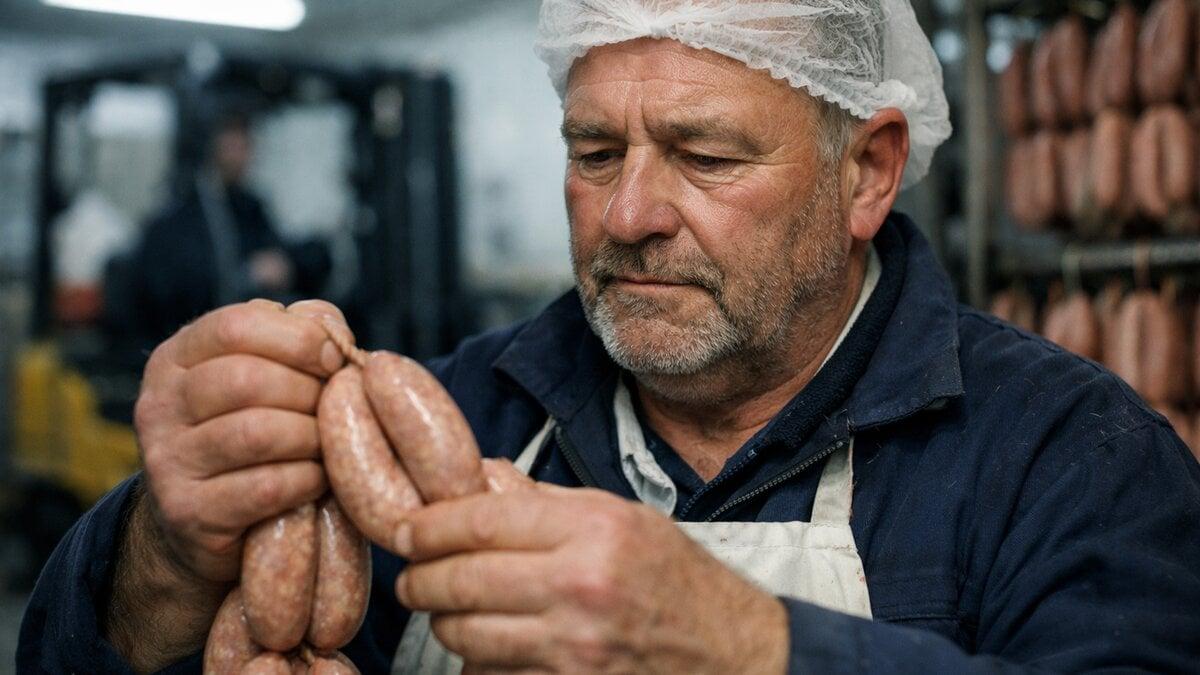
British food exporters have welcomed an EU deal designed to remove most physical checks on food, plants and animal products. The UK-EU agreement is due to take effect on March 1, 2028, although some producers say rebuilding trade will take longer.
The agreement is intended to reopen the EU market to UK products including fresh sausages, burgers, seed potatoes and molluscs. It could also allow small UK retailers to import European cheese and wine again after costly checks made that trade economically unviable.
Seed potato growers expect delays
Scottish seed potato producer Jamieson Brothers lost access to EU customers after the sides disagreed over certification. Ireland and the EU accounted for a fifth of the company's trade before Brexit.
Iain Barbour, the company's operations director, said growers would be cautious until the agreement took effect. He expects most to resume trading fully in 2029.
“Nobody’s going to believe this until it has actually physically happened,” Barbour said.
The company adapted by taking on packing work previously done in the EU. Barbour estimates that change cost about £500,000.
He said reviving varieties kept in a seed bank would take at least three years. Many Scottish farmers had stopped growing varieties popular in Ireland because they were not wanted in England.
Barbour also said the March 2028 start would miss the main sales period early in the year. Growers must raise the crops in advance.
Scottish seed potato farmers previously accounted for three-quarters of UK production. The sector was worth about £112 million a year.
Shellfish and dairy firms see benefits
Shellfish producers hope the deal will ease exports of live mussels, oysters, clams, cockles and scallops. The sector was valued at less than £12 million a year before Brexit.
Offshore Shellfish, a family business in Lyme Bay, Devon, has continued exporting despite paperwork and occasional blocks by French customs. It sends most of its blue mussels to the Netherlands for processing, with most eventually sold in Belgium.
Commercial director Sarah Holmyard welcomed an assurance that exports could continue from waters below the highest quality rating. A temporary drop from class A to class B could previously have halted shipments.
“That’s a huge win for us because we’ve been pushing and pushing and pushing for that,” Holmyard said.
Some businesses have already closed. Three out of four mussel fishing companies in the Menai strait stopped trading after exports became too difficult.
Somerset cheese and butter maker Wyke Farms exports about a quarter of its cheddar to the EU, especially France, Germany and Spain. Managing director Rich Clothier said removing veterinary checks would save costs and reduce waste from perishable products.
 Take the quizWhat Kind of Holiday Spender Are You? Take the Black Friday QuizStart →




 Markets · FintechHow to Calculate Compound Interest: Formula, Examples and the Rule of 72
 Lifestyle · Food & HealthNormal Blood Pressure Chart by Age: Healthy Ranges Explained
 Lifestyle · Food & HealthWhat Is Raynaud’s Syndrome? Why Fingers Turn White in the Cold
 Lifestyle · Food & Health4 Ways Walking After Meals Helps Your Body, Doctors Say